
Deviled eggs are safe to eat for up to 2 hours at room temperature and up to 4 days in the refrigerator. After that, the risk of foodborne illness increases significantly. This guide covers the exact timeline, storage methods, and signs of spoilage so you can serve them with confidence.
How Long Are Deviled Eggs Good For at Room Temperature?
The short answer is 2 hours. This is not a suggestion — it is the standard from the USDA. Bacteria grow fastest between 40°F and 140°F, a range called the “danger zone.” Deviled eggs contain cooked eggs and mayonnaise, both of which are high-risk foods for bacterial growth.
If the temperature is above 90°F, like at a summer picnic or outdoor party, the safe window drops to just 1 hour. After that, throw them away. Do not try to reheat or salvage them. The bacteria that grow at room temperature may not change the taste or smell but can still make you sick.
Some people report leaving deviled eggs out for hours without getting ill. That does not mean it is safe. Foodborne illness depends on the specific bacteria present, the person’s immune system, and how long the food was in the danger zone. You cannot see or smell most harmful bacteria.
How Long Are Deviled Eggs Good For in the Fridge?
Deviled eggs last 3 to 4 days in the refrigerator when stored properly. The USDA states that hard-boiled eggs in the shell stay fresh for up to one week. But once you peel them, mix the yolks with mayonnaise and other ingredients, and pipe them back in, the clock starts ticking faster.
The filling introduces moisture and fat, which can spoil more quickly than the egg white alone. After day 4, the texture changes. The whites become rubbery and the filling may separate or develop an off odor.
Store them in an airtight container. If your container has a lid that does not seal tightly, cover it with plastic wrap first. Keep them on a middle shelf, not in the door. The door experiences temperature fluctuations every time you open it.
How to Store Deviled Eggs for Maximum Freshness
The best way to store deviled eggs starts before you even make them. Hard-boil eggs that are at least a week old. Fresh eggs are harder to peel cleanly, which leaves rough edges where bacteria can hide. Eggs that are 7 to 10 days old peel much more smoothly.
After boiling and peeling, cool the eggs completely before adding the filling. Warm eggs create condensation inside the storage container, which speeds up spoilage. Let them sit on a paper towel in the fridge for 30 minutes uncovered.
When you fill the eggs, do it as close to serving time as possible. The filling dries out over time. If you need to prep ahead, store the whites and filling separately. Keep the whites in one container and the filling in a piping bag or sealed bowl. Assemble them no more than a few hours before serving.
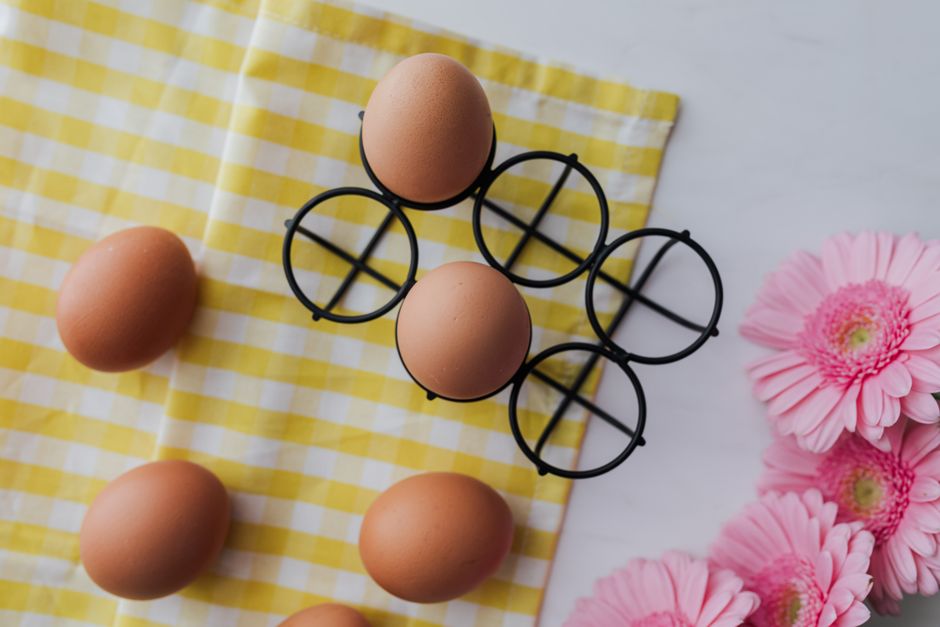
For transport, use a deviled egg carrier if you have one. These have individual wells that keep each egg from sliding around. If you do not have a carrier, place a layer of paper towels in the bottom of a container and nestle the eggs in snugly. Put a sheet of plastic wrap directly on top of the eggs before closing the lid.




How to Tell If Deviled Eggs Have Gone Bad
Trust your senses, but understand their limits. A sulfur smell from the egg white itself is not necessarily a sign of spoilage. Hard-boiled eggs naturally release hydrogen sulfide during cooking, especially if they are overcooked. That smell is normal.
What you are looking for is a change from the day you made them. If the filling smells sour, rancid, or like something is off, throw them away. If the egg white feels slimy or sticky, bacteria have started growing. If you see any mold, even a tiny spot, discard the entire batch.
Do not taste test to check for safety. A small amount of harmful bacteria can cause illness without making the food taste bad. If you are unsure, the rule is simple: when in doubt, throw it out.
A quick visual check: fresh deviled eggs have a smooth, creamy filling. If the filling looks cracked, dry, or has liquid pooling around it, the eggs are past their prime. The texture change happens before the food becomes dangerous, but it is a good sign that quality has declined.
Can You Freeze Deviled Eggs?
Freezing deviled eggs is not recommended. The texture will be poor when thawed. Egg whites become watery and rubbery after freezing because their high water content forms ice crystals that damage the protein structure. The mayonnaise-based filling will separate and turn grainy.
Some people freeze the filling alone and make fresh whites later. Even then, the texture of the thawed filling is not the same. If you must freeze them, do it only as a last resort and plan to use them in a different dish, like egg salad, where texture matters less.
A better approach: freeze hard-boiled eggs in their shells. They will keep for up to 3 months. Thaw them in the fridge overnight and use them for deviled eggs the same day. The whites will still be slightly softer than fresh, but the result is much better than freezing assembled deviled eggs.
Common Misconceptions About Deviled Egg Safety
One common myth is that the vinegar or lemon juice in the filling acts as a preservative. It does not. Acidic ingredients can slow bacterial growth slightly, but not enough to extend the safe timeline. The 2-hour rule still applies.
Another myth is that store-bought mayonnaise is somehow safer than homemade because it is pasteurized. Commercial mayonnaise is made with pasteurized eggs and has a low pH, which does inhibit some bacteria. But it is the other ingredients — the onions, pickles, or spices — that introduce bacteria. And the eggs themselves carry risk if not cooked and handled properly.
Some people believe that if deviled eggs smell fine and look fine, they are safe to eat past 4 days. Smell and appearance are not reliable indicators for all harmful bacteria. Listeria and Salmonella do not always produce noticeable changes in food. The 4-day guideline is based on what is safe for most people, not what looks safe.
People with weakened immune systems, pregnant women, young children, and older adults should be especially careful. For these groups, eating deviled eggs after 3 days is not worth the risk.
What Happens If You Eat Bad Deviled Eggs
Symptoms of food poisoning from deviled eggs usually appear 6 to 48 hours after eating. The most common culprits are Salmonella and Staphylococcus aureus. Salmonella comes from the eggs themselves if they were undercooked or contaminated after cooking. Staph comes from human handling — someone who prepared the eggs while carrying the bacteria on their skin.
Symptoms include nausea, vomiting, stomach cramps, diarrhea, and fever. Most healthy adults recover within a few days without medical treatment. But dehydration is a real risk, especially if vomiting and diarrhea are severe.
If you or someone you served develops symptoms after eating deviled eggs that were stored too long or left out too long, call your doctor. Report it to your local health department if the eggs came from a restaurant or store. This helps track outbreaks.
The best prevention is simple: follow the 2-hour rule at room temperature, keep them refrigerated at 40°F or below, and eat them within 4 days. That is not a suggestion — it is the standard backed by food safety research.
Frequently Asked Questions
Can I leave deviled eggs out overnight?
No. Deviled eggs left out for more than 2 hours should be thrown away. Bacteria grow quickly at room temperature and can cause food poisoning even if the eggs look and smell fine.
How long do deviled eggs last in the fridge with mayonnaise?
Deviled eggs with mayonnaise last 3 to 4 days in the refrigerator. The mayonnaise does not extend the shelf life beyond that window.
Can I make deviled eggs a day ahead for a party?
Yes. You can make deviled eggs up to 24 hours ahead. Store the whites and filling separately in the fridge and assemble them a few hours before serving for best texture.
What is the best container to store deviled eggs?
Airtight containers are best. Deviled egg carriers with individual wells work well. If using a standard container, line it with paper towels and cover with plastic wrap before sealing the lid.
