
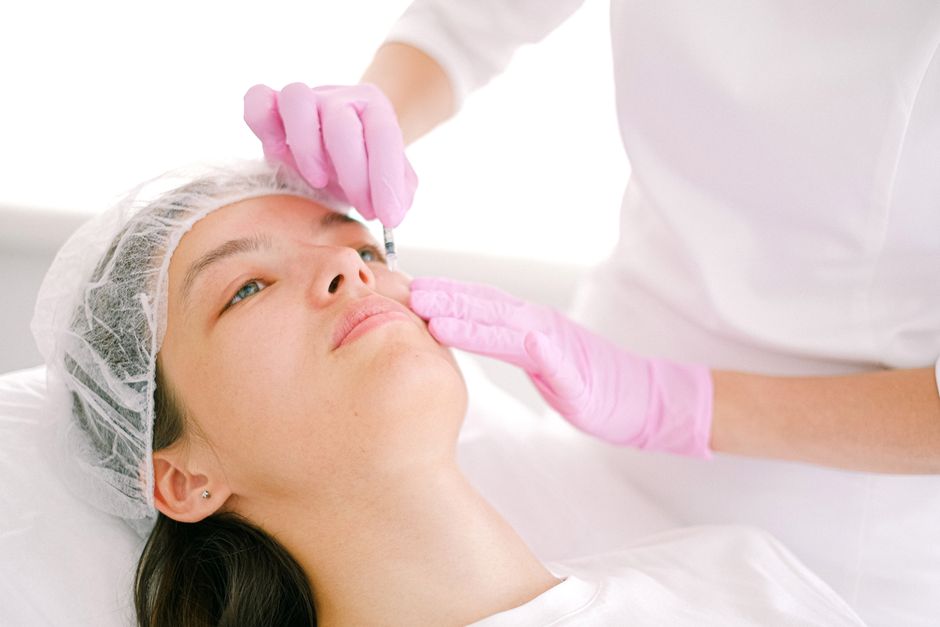
Botox injections temporarily relax the muscles that cause frown lines and crow’s feet, and many people want to know how soon they can get back to the gym. The short answer: most clinicians advise waiting at least 24 hours before working out, and many recommend avoiding strenuous exercise for 24 to 48 hours after treatment. The concern is not that sweat will “wash away” the toxin — it is that increased blood flow, heat, and repetitive muscle movement in the treated area may affect how the product settles and how well it works.
How Long After Getting Botox Can You Work Out?
Wait at least 24 hours before exercising, and longer if you can manage it. That is the most common guidance from dermatologists and aesthetic clinicians. Some say 24 hours is enough for light activity. Others ask patients to hold off on anything vigorous for 48 hours.
The reasoning is practical rather than absolute. After injection, the botulinum toxin needs time to bind to nerve endings in the muscle. During that window, anything that increases blood circulation in the treated area — running, heavy lifting, hot yoga, spin class — could theoretically move the toxin away from where it was placed or dilute its effect. That concern is based on the drug’s known mechanism and on clinical experience, not on large controlled trials comparing exercisers with non-exercisers after injection. No study has directly measured whether a workout at hour 12 versus hour 30 changes cosmetic outcomes.
What clinicians do agree on is that the first day matters most. If you can wait a full 24 hours, you are following the most widely used standard. If you can wait 48, you are being extra cautious with no real downside.
Why Does Exercise Matter After Botox?
Exercise increases blood flow, raises body temperature, and activates the muscles around the injection site. Each of those effects has a plausible reason to interfere with how the toxin distributes in the tissue.
Botulinum toxin works by entering nerve terminals and blocking the release of acetylcholine, the chemical that tells muscles to contract. Once it binds, the effect is essentially locked in for the life of the molecule — typically three to four months for cosmetic doses. The vulnerable period is the short window right after injection, before binding is complete.
Physical activity during that window may:
- Increase circulation to the face, which some clinicians believe could spread the toxin beyond the intended target
- Raise skin temperature, potentially affecting local absorption
- Cause repetitive contraction of facial muscles if you grimace, squint, or strain during exertion
This is a reasonable set of concerns. It is also not the same as proven harm. The evidence for these mechanisms is largely based on how the drug is understood to work, not on outcome studies of people who exercised too soon. Some clinicians are strict about the 24-hour rule; others are more relaxed. The variation in practice reflects the fact that nobody has run the trial that would settle it.
What Happens If You Work Out Too Soon After Botox?
The most likely outcome is nothing at all. Many people have exercised sooner than advised and seen normal results. But there are two theoretical risks worth knowing about.
The first is reduced effectiveness. If the toxin spreads or is cleared faster than usual, the treated muscle may not relax as fully. You might notice that your frown lines look less smooth than expected, or that the effect fades sooner than the usual three to four months.
The second is unwanted movement in nearby muscles. If the toxin migrates to a muscle it was not meant to reach, it can cause temporary weakness or asymmetry. For example, eyelid drooping (ptosis) is a known complication of injections near the brow, though it is usually related to technique and anatomy rather than exercise. Whether working out increases that risk is not established.
If you do exercise sooner than advised and notice something looks off, tell your injector. Most cosmetic Botox effects can be adjusted at a follow-up visit, though sometimes you simply have to wait for the current dose to wear off.





What About Hot Yoga, Saunas, and Swimming?
Heat is the bigger concern here, not movement alone. Hot yoga, saunas, steam rooms, and hot tubs raise your core temperature and increase blood flow to the skin. Clinicians typically advise avoiding all of them for at least 24 hours after Botox, and some say 48.
Swimming is a mixed case. A cool pool is not a heat problem, but the strokes involve repetitive shoulder and neck movement. If you had injections in the upper face or neck, the muscle activity could matter. If you had injections only in the forehead or crow’s feet, the neck and shoulder movement is less relevant. Use judgment and follow your injector’s instructions.
What you should definitely skip for the first day:
- Hot yoga or Bikram classes
- Saunas, steam rooms, and hot tubs
- Heavy weightlifting, especially anything involving facial straining
- High-intensity interval training or long runs
- Facials, face massage, or lying face-down on a massage table
Light walking is generally fine. Gentle stretching is generally fine. The goal is to avoid the combination of heat, exertion, and pressure on the treated area.
Can You Do Light Exercise Sooner?
Some clinicians allow light activity within a few hours. A slow walk, gentle desk stretches, or normal daily movement are usually not a problem. The advice to wait 24 hours applies mainly to moderate to vigorous exercise.
If you are unsure, ask your injector. Practices differ. Some are strict about the full 24 hours regardless of intensity. Others say that if you are not sweating and not straining your face, you are probably fine. Neither approach is backed by strong trial data — it comes down to clinical judgment and how conservative your provider is.
One non-obvious point: the muscles you use during exercise are not the same as the muscles Botox treats. Running works your legs, not your glabella. The concern is not that you will “work out” the injected muscle. It is that whole-body exertion raises circulation and temperature in ways that could affect the injection site. That is why even leg day counts as something to postpone.
How Soon Can You Return to Your Normal Routine?
Most people can return to their full exercise routine after 24 to 48 hours. If you had a light session planned, 24 hours is usually enough. If you are a serious athlete or do high-intensity training, 48 hours is the safer window.
After that, there is no reason to modify your routine. Botox does not weaken your muscles or affect your athletic performance. Cosmetic doses act locally in the small muscles of the face and neck. They do not spread systemically in amounts that would affect your strength, endurance, or recovery.
The one thing to keep in mind is that the full effect of Botox does not appear immediately. It typically takes three to seven days to start seeing results, and up to two weeks for the full effect. If you work out at hour 25 and feel fine, that does not mean the toxin has finished working — it means you have passed the window where exercise is most likely to interfere.
Does the Type of Botox Matter?
All botulinum toxin type A products used cosmetically — Botox, Dysport, Xeomin, Jeuveau — work through the same basic mechanism. They differ in formulation, dosing, and how quickly they spread from the injection point. Dysport, for example, is generally considered to diffuse more than Botox, which is why some injectors use different techniques for each.
Whether that difference changes the exercise recommendation is not clear. Most guidance applies the same 24-hour rule regardless of brand. If your injector gives you specific instructions, follow those — they know your treatment area and how much product was used.
What Else Should You Avoid After Botox?
Exercise is not the only thing to think about. For the first 24 hours, clinicians commonly advise avoiding:
- Rubbing or massaging the treated area
- Lying face-down or putting pressure on the injection sites
- Alcohol, which can increase bruising
- Blood-thinning medications like aspirin or ibuprofen, unless medically necessary
- Other facial treatments such as chemical peels, microdermabrasion, or laser therapy
Bruising is the most common side effect and is related to needle trauma, not exercise. It usually resolves within a few days. Avoiding alcohol and blood thinners before and after treatment can reduce the risk, though some people bruise regardless.
If you take prescription blood thinners, do not stop them for Botox without talking to your doctor first. The risk of a clot is far greater than the risk of a bruise.
Frequently Asked Questions
Can I work out 12 hours after Botox?
Most clinicians advise against it. Twelve hours is still within the window when exercise could theoretically affect how the toxin settles, so waiting a full 24 hours is the safer choice.
Does sweating wash away Botox?
No. Sweat does not remove botulinum toxin from the muscle. The concern with exercise is increased blood flow and muscle movement, not sweat itself.
What happens if I accidentally exercise after Botox?
In most cases, nothing. You may see normal results, or you may notice the effect is slightly weaker or fades sooner than expected. Tell your injector if you are concerned.
How long until Botox fully kicks in?
You typically start seeing results in three to seven days, with the full effect appearing around two weeks. Exercise timing does not change that timeline once you are past the first day or two.
