
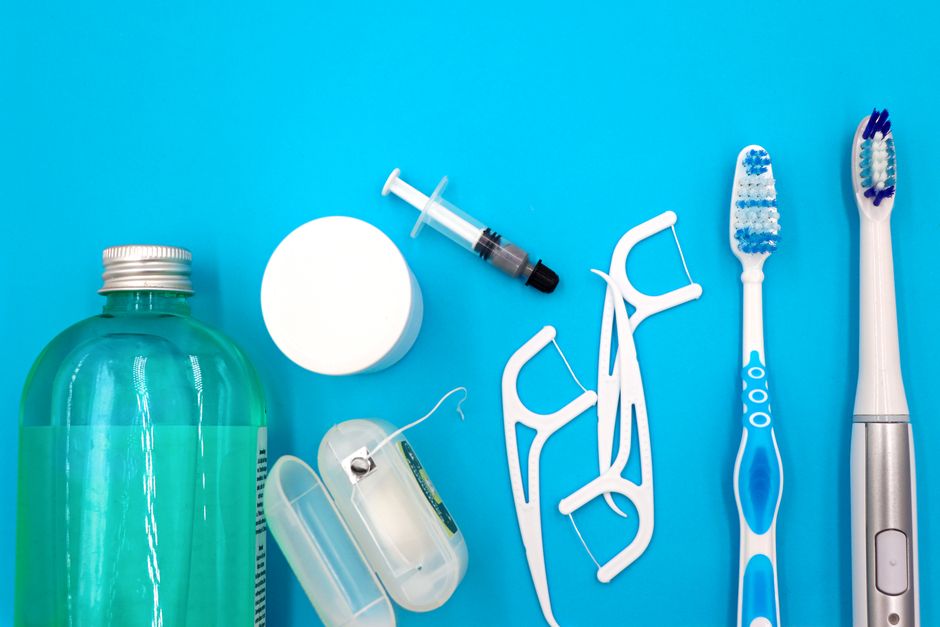
Most dentists recommend waiting at least 30 minutes after a fluoride varnish treatment before brushing your teeth. If you had a fluoride gel or foam treatment at the dentist, that same 30-minute window applies. The reason is simple: fluoride needs time to absorb into your tooth enamel, and brushing too soon can wash it away before it does its job.
What Exactly Happens During a Fluoride Treatment?
A professional fluoride treatment is different from the fluoride in your toothpaste. At the dentist’s office, the fluoride is much more concentrated. It is applied as a varnish, gel, or foam directly onto your teeth.
This concentrated fluoride reacts with the minerals in your tooth enamel. It forms a compound called calcium fluoride, which strengthens the enamel and makes it more resistant to acid attacks from bacteria and food. This process is not instant. The fluoride needs time to penetrate the surface of the tooth and bind with the enamel structure.
Brushing your teeth during this critical window can physically scrub the fluoride off the surface. It can also introduce toothpaste that may interfere with the absorption process. Either way, you reduce the benefit of the treatment.
How Long After Fluoride Can I Brush My Teeth?
The standard clinical guidance is to wait at least 6 hours before brushing after a fluoride varnish. For gels and foams, the wait is usually shorter, around 30 minutes to a few hours, depending on what your dentist instructs.
Your dentist will give you specific instructions based on the type of fluoride they used and your individual needs. Some varnishes are designed to stay on the teeth longer and may require you to wait until the next morning before brushing. Others are lighter and only need a short waiting period.
The most reliable approach is simple: ask your dentist before you leave the chair. Write down their exact instructions. If you forget to ask, the safest general rule is to wait at least 6 hours before brushing after a varnish treatment, and at least 30 minutes after a gel or foam treatment.
What Else Should You Avoid After Fluoride Treatment?
Brushing is not the only thing you need to pause after a fluoride treatment. Eating and drinking can also wash the fluoride away or reduce its effectiveness.
Here is what dentists typically recommend avoiding for the specified time after treatment:
- Hot liquids — coffee, tea, or soup can dissolve the varnish.
- Hard or crunchy foods — these can physically dislodge the fluoride from your teeth.
- Sticky foods — caramel or chewy candy can pull the varnish off.
- Alcohol-based mouthwash — this can rinse the fluoride away.
- Smoking or vaping — the heat and chemicals can affect the varnish.
Soft foods and room-temperature water are generally fine. If you need to eat, choose something like yogurt, mashed potatoes, or a smoothie. These will not disturb the fluoride layer.





Does the Type of Fluoride Matter?
Yes. Different fluoride treatments have different instructions.
Fluoride varnish is a sticky resin that hardens when it contacts saliva. It is designed to stay on the teeth for several hours to maximize fluoride uptake. Dentists often tell patients to wait 4 to 6 hours before brushing, or sometimes until the next morning.
Fluoride gel is applied in a tray that you bite down on for a few minutes. The dentist then suctions out the excess. You should not eat, drink, or rinse for at least 30 minutes after a gel treatment. Brushing can resume after that window, though some dentists recommend waiting longer.
Fluoride foam works similarly to gel. The waiting time is usually the same, around 30 minutes before eating or drinking.
Fluoride rinse is a liquid you swish and spit. You should avoid eating, drinking, or rinsing for at least 30 minutes afterward. Brushing is usually fine after that time, but check with your dentist for their preference.
Why Do Dentists Use Fluoride in the First Place?
Fluoride is a mineral that occurs naturally in water and many foods. It has been studied extensively for decades.
Fluoride works in two main ways. First, it helps remineralize early stages of tooth decay. When acids from bacteria start to dissolve tooth enamel, fluoride helps repair that damage before it becomes a cavity. Second, fluoride makes the enamel more resistant to future acid attacks. It essentially makes your teeth harder and stronger over time.
Community water fluoridation has been a public health measure in the United States since the 1940s. Research consistently shows that fluoride in water and toothpaste has dramatically reduced the rate of tooth decay in both children and adults. The Centers for Disease Control and Prevention has recognized water fluoridation as one of the great public health achievements of the 20th century.
What About Fluoride in Toothpaste at Home?
Daily fluoride exposure from toothpaste is important, but the instructions are different. You do not need to wait any specific time after brushing with fluoride toothpaste — the fluoride is already where it needs to be.
However, there is one common mistake people make. Many people rinse their mouth with water immediately after brushing. This washes away the fluoride before it has time to work. Dentists generally recommend spitting out excess toothpaste but not rinsing with water afterward. This allows the fluoride to stay on your teeth longer and continue protecting them.
For the same reason, avoid eating or drinking for at least 30 minutes after brushing with fluoride toothpaste. This gives the fluoride time to absorb into the enamel.
What Happens If You Brush Too Soon?
Brushing too soon does not cause damage to your teeth. The risk is not that you will harm your enamel. The risk is that you will reduce the effectiveness of the treatment.
When you brush, you remove the fluoride from the surface of the teeth. The fluoride that has not yet absorbed is simply rinsed away. You lose most of the benefit of the professional treatment you just paid for.
This is not a dangerous mistake. It just means the fluoride treatment was less effective. Your teeth will not be harmed, but you will not get the full cavity-protecting benefit that the treatment was designed to provide.
When Should You Schedule Your Next Fluoride Treatment?
For most people, a professional fluoride treatment is recommended every 6 to 12 months. This varies based on your risk of cavities.
People with a higher risk of tooth decay may need treatments more frequently. This includes people with dry mouth, those who consume a lot of sugary foods and drinks, people with a history of cavities, and those with certain medical conditions. Your dentist will assess your individual risk and recommend a schedule that makes sense for you.
Children often receive fluoride treatments more frequently because their teeth are still developing. Adults can benefit from regular treatments too, especially if they have exposed tooth roots or existing fillings that are prone to decay at the edges.
Frequently Asked Questions
Can I drink water after fluoride treatment?
You can drink room-temperature water immediately after a fluoride varnish, but avoid hot water for at least 4 to 6 hours. After a gel or foam treatment, wait at least 30 minutes before drinking anything.
Can I eat after fluoride treatment?
Yes, but stick to soft foods and avoid anything crunchy, sticky, or very hot for at least 4 to 6 hours after a varnish. After a gel or foam treatment, wait at least 30 minutes before eating.
Is it bad to swallow fluoride from a dental treatment?
Swallowing a small amount of fluoride during a dental treatment is generally not harmful, but it can cause stomach upset. Dentists use suction and cotton rolls to minimize swallowing, and they apply only the amount needed for the treatment.
Can I brush my teeth the night after fluoride varnish?
Yes, brushing the night after a varnish treatment is usually fine, provided at least 6 hours have passed since the application. If you received the varnish late in the day, your dentist may advise waiting until the next morning.
