
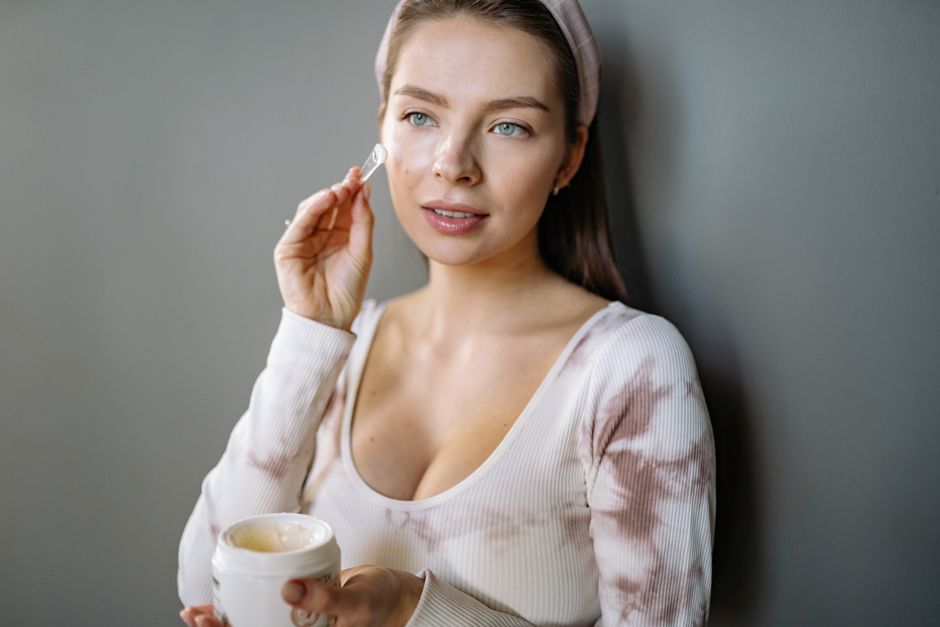
Yes, you can put Vaseline on your face. It is a well-established skincare practice with a long history of use, and for many people it is an effective way to lock moisture into the skin. The catch is that it works best for specific purposes and skin types, and it can cause problems if you use it the wrong way or on the wrong skin.
What Is Vaseline, Exactly?
Vaseline is a brand name for petroleum jelly. The main ingredient is a purified mixture of mineral oils and waxes. It has been sold as a skin protectant since the 1870s.
The refining process matters. Cosmetic-grade petroleum jelly is purified to remove compounds that would otherwise be unsafe for skin. The type sold in drugstores for skin use is held to that standard. Industrial petroleum jelly is not, and it should never go on your face or body.
From a chemistry standpoint, petroleum jelly is a semi-solid mixture of hydrocarbons. It does not dissolve in water. That single property explains almost everything about how it behaves on skin.
How Does Vaseline Actually Work on Skin?
Vaseline does not add water to your skin. It seals water in. That distinction is the whole story.
When you apply it, petroleum jelly forms a thin, water-repelling film on the surface. This film slows something called transepidermal water loss — the steady evaporation of water from deeper skin layers through the surface. By blocking that escape route, the skin underneath holds onto more of the moisture it already has.
This is why dermatologists often call it an occlusive moisturizer. Occlusives sit on top of the skin and trap moisture. They are different from humectants like glycerin, which pull water toward the skin, and emollients like many plant oils, which soften and smooth the surface.
Here is the part many people get wrong. Because Vaseline is occlusive, it works best when applied to slightly damp skin. If your skin is bone dry when you apply it, you are sealing in very little. Pat your face with water or apply a light moisturizer first, then seal it with a thin layer of Vaseline.
What Are the Real Benefits of Using Vaseline on Your Face?
The main benefit is moisture retention, and it is a genuine one. Petroleum jelly is one of the most effective occlusive ingredients available. Research has consistently found it reduces water loss through the skin more than most other moisturizing ingredients.
Beyond that, several practical uses are well supported:
- Dry, cracked, or flaking skin. Sealing the area helps it hold moisture while it heals.
- Windburn and winter dryness. Cold, dry air pulls water from skin. An occlusive layer helps limit that loss.
- Protecting irritated skin. It creates a barrier between skin and outside irritants.
- Wound care. In clinical settings, petroleum jelly is used to keep healing wounds moist, which supports the healing process.
- Under makeup or skincare. A very thin layer can reduce flaking on dry patches.
What Vaseline does not do is treat acne, fade dark spots, or deliver active ingredients. It has no exfoliating or brightening effect. It is a barrier, not a treatment.





Can You Put Vaseline On Your Face If You Have Acne or Oily Skin?
This is where Vaseline gets a bad reputation, and the reputation is partly deserved.
Petroleum jelly itself is generally considered non-comedogenic, meaning it does not directly clog pores the way some heavy oils do. On its own, it is unlikely to cause acne in most people. But that is not the full picture.
The problem is that an occlusive layer traps whatever is underneath it. If you have oily skin, or if you apply Vaseline over sweat, dead skin cells, or bacteria, you may be sealing those things against your pores. For some people, that can contribute to breakouts or make existing acne worse.
If you have acne-prone or oily skin, the safer approach is to use Vaseline only on specific dry or cracked areas, not across your whole face. And avoid applying it over active breakouts.
One more point worth knowing: if you use a prescription acne treatment, talk to your dermatologist before layering Vaseline on top. Occlusives can increase how much of some topical medications is absorbed, which may change how the medication affects your skin.
Does Vaseline Clog Pores or Cause Breakouts?
For most people, the answer is no — but “most” is doing real work in that sentence.
Because petroleum jelly molecules are large, they mostly sit on the surface rather than sinking into pores. That is part of why it is rated low for pore-clogging potential. People with normal or dry skin often use it without any breakout issues.
However, individual skin varies. Some people find that any occlusive product, including Vaseline, leads to congestion or small bumps. If that happens to you, it is not a sign you did something wrong. It just means your skin does not tolerate occlusives well.
The way you apply it also matters. A thick, heavy layer is more likely to cause problems than a thin one. More is not better with Vaseline.
How Should a Beginner Use Vaseline on the Face?
Start simple. The goal is a thin, even layer, not a thick mask.
- Cleanse gently. Use a mild cleanser and pat dry, leaving skin slightly damp.
- Apply your usual moisturizer first if you use one. This adds water; Vaseline seals it in.
- Take a small amount — roughly the size of a pea for the whole face — and warm it between your fingers.
- Press it onto dry areas, not all over, unless your whole face is very dry.
- Use it at night. It can feel greasy and may not sit well under makeup or sunscreen.
- Patch test first. Try it on a small area for a few nights before using it more widely.
If you wear it during the day, apply it before sunscreen — or skip it, since the greasy film can make sunscreen harder to spread evenly.
What Are the Risks and Downsides?
Vaseline is generally well tolerated, and allergic reactions to purified petroleum jelly are uncommon. But there are real downsides to know about.
The biggest one is that it can trap things you do not want trapped. Sweat, dirt, and bacteria under an occlusive layer can contribute to irritation or breakouts in some people.
It is also messy and can stain fabric. And because it is so effective at sealing, it can make skin feel suffocated if applied too thickly.
One safety note that matters: never apply Vaseline to a fresh burn, a deep wound, or broken skin without medical guidance. For minor scrapes, some clinicians recommend it, but serious wounds need proper care. And if you have any skin condition that is inflamed, oozing, or infected, see a doctor rather than self-treating with an occlusive.
There is also a common myth worth correcting. Some people believe Vaseline can cause cancer or contains dangerous chemicals. Purified cosmetic-grade petroleum jelly is considered safe for skin use by regulatory bodies. The concern applies to unrefined industrial petroleum products, not the cosmetic kind.
How Does Vaseline Compare to Other Facial Moisturizers?
Vaseline is not a replacement for a regular moisturizer. It is a different tool. Here is how the main categories compare.
| Type | How It Works | Best For |
|---|---|---|
| Occlusive (Vaseline) | Seals water in | Very dry skin, barrier protection |
| Humectant (glycerin) | Pulls water to skin | Dehydrated skin |
| Emollient (plant oils, ceramides) | Softens and smooths | Rough or flaky texture |
Many effective moisturizers combine all three. Vaseline is purely occlusive, which is why it works best layered over something that adds water.
Is Vaseline the Same as Other Petroleum Jelly Brands?
Mostly, yes. Store-brand petroleum jelly that is labeled for skin use is generally made to the same purification standard as the brand-name version. The main ingredient is the same.
What varies is texture and added ingredients. Some products blend petroleum jelly with fragrance or other ingredients, which can irritate sensitive skin. If you have reactive skin, plain, fragrance-free petroleum jelly is the safer choice.
Frequently Asked Questions
Can I leave Vaseline on my face overnight?
Yes, many people apply a thin layer before bed to reduce overnight moisture loss. Use a small amount and avoid a thick layer if you have oily or acne-prone skin.
Does Vaseline clog pores?
Petroleum jelly is generally rated low for pore-clogging because its molecules are large and mostly stay on the surface. However, it can trap sweat and bacteria underneath, which may contribute to breakouts in some people.
Can Vaseline remove dark spots on the face?
No. Vaseline does not lighten dark spots or treat pigmentation. It only seals in moisture, so it will not change the color of your skin.
Is it safe to put Vaseline on my face every day?
For most people with dry skin, daily use of a thin layer is fine. If you notice breakouts, irritation, or congestion, reduce how often you use it or stop.
