
Aging changes the cardiovascular system in ways that are measurable and, to some degree, predictable. Blood vessels become stiffer, the heart muscle thickens, and the system’s ability to respond to stress slows down. These changes do not mean heart disease is inevitable, but they do explain why blood pressure tends to rise with age and why older adults may feel winded more easily during exertion.
How Is The Cardiovascular System Affected By Aging?
The cardiovascular system undergoes structural and functional changes as part of the normal aging process. The most consistent finding is arterial stiffness. The large arteries, especially the aorta, lose some of their elastic fibers over time. Collagen replaces those fibers, making the vessel walls less compliant.
When arteries are stiff, the heart has to work harder to push blood through them. This raises systolic blood pressure — the top number in a reading. The heart itself responds to this extra workload. The left ventricle, the chamber that pumps blood to the body, gradually thickens. This condition, called left ventricular hypertrophy, is common in older adults even without diagnosed heart disease.
The heart’s electrical system also changes. The sinoatrial node, the natural pacemaker, loses some of its cells. This can lead to a slightly slower resting heart rate. The heart also takes longer to return to a normal rate after exercise or stress. Maximal heart rate during exercise declines with age, a change that affects athletic performance but is not itself a disease.
What Happens To Blood Vessels And Blood Pressure With Age?
Blood vessel changes are central to how aging affects circulation. The inner lining of vessels, called the endothelium, becomes less efficient at producing nitric oxide. Nitric oxide is a signaling molecule that tells blood vessels to relax and widen. With less of it available, vessels stay more constricted.
This combination — stiffer vessel walls and reduced ability to dilate — directly affects blood pressure. Systolic blood pressure tends to rise steadily through adulthood. Diastolic pressure, the bottom number, tends to rise until about age 50 or 60, then plateau or even decline. The result is a widening pulse pressure, which is the difference between systolic and diastolic readings.
These changes also affect how blood is distributed during activity. When you exercise, healthy vessels in working muscles dilate to increase blood flow. In older adults, this response is blunted. Muscles receive less oxygen-rich blood during exertion, which contributes to reduced exercise capacity.
Why Does The Heart Work Differently In Older Adults?
The heart’s filling pattern changes with age. The left ventricle becomes stiffer, which means it does not relax as completely between beats. This condition is called diastolic dysfunction. The heart can still pump blood out normally, but it fills less efficiently during the relaxation phase.
Because filling is reduced, the heart relies more heavily on the atrial contraction — the “kick” from the upper chambers — to complete ventricular filling. This is why conditions like atrial fibrillation, which eliminates that coordinated atrial kick, can be more destabilizing in older adults.
Cardiac output, the amount of blood the heart pumps per minute, is largely preserved at rest. The heart compensates by maintaining stroke volume despite slower filling. The problem emerges during exertion. The maximum cardiac output an older heart can achieve is lower than in a younger heart. This directly limits peak exercise capacity.
The heart also becomes less responsive to adrenaline and other stress hormones. When a younger person stands up suddenly or starts running, the heart rate climbs quickly. In older adults, this response is slower and less pronounced. That is why older people may feel lightheaded when standing up too fast — a condition called orthostatic hypotension.





How Does Aging Affect The Heart’s Electrical System?
The electrical conduction system of the heart degrades with age in measurable ways. The sinoatrial node loses pacemaker cells over decades. By age 75, some estimates suggest the node retains only a fraction of its original cell count. This explains why resting heart rate often declines slightly with age.
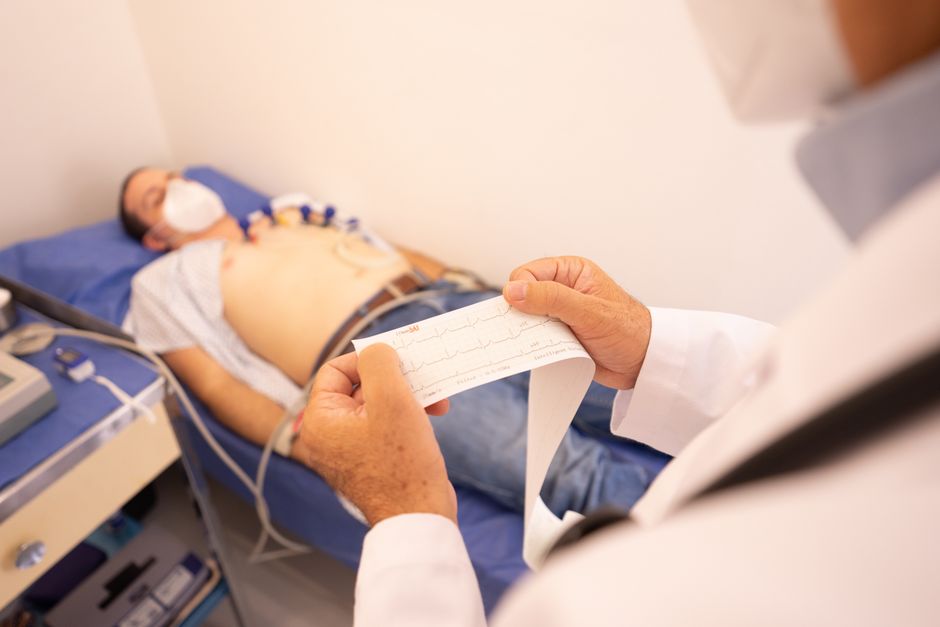
Conduction through the atrioventricular node and the bundle branches can also slow. Some older adults develop first-degree heart block, where the electrical signal takes slightly longer to travel from the atria to the ventricles. This is often harmless and found incidentally on an electrocardiogram.
The risk of arrhythmias, particularly atrial fibrillation, increases substantially with age. Atrial fibrillation is an irregular, often rapid heart rhythm originating in the upper chambers. Age-related structural changes — atrial enlargement, fibrosis, and stiffness — create the conditions for this arrhythmia to develop. It is not a normal part of aging, but aging increases vulnerability to it.
What Are The Practical Effects Of These Changes?
The practical consequences of cardiovascular aging are visible in daily life. Exercise capacity declines. The maximum amount of oxygen the body can use during intense exercise, called VO2 max, decreases progressively after about age 30. Part of this decline is due to cardiovascular changes; part is due to muscle mass loss and other factors.
Blood pressure regulation becomes less precise. Older adults are more prone to both high blood pressure and episodes of low blood pressure after meals or upon standing. The body’s baroreceptors, which sense blood pressure changes and trigger corrective responses, become less sensitive with age.
Recovery from exertion takes longer. A 70-year-old heart returns to baseline heart rate more slowly after exercise than a 30-year-old heart. This does not mean exercise is unsafe — regular physical activity remains one of the most effective ways to maintain cardiovascular function in later life.
It is important to distinguish age-related change from disease. Atherosclerosis — the buildup of plaques in artery walls — is a disease process, not an inevitable consequence of aging. Many older adults have minimal atherosclerosis despite advanced age. Regular exercise, blood pressure control, and not smoking all meaningfully reduce cardiovascular risk regardless of age.
Can Exercise Slow Cardiovascular Aging?
Regular aerobic exercise is the most consistently supported intervention for maintaining cardiovascular function with age. Studies have shown that master athletes and older adults who exercise regularly retain more compliant arteries and better endothelial function than sedentary peers of the same age.
Exercise training improves the endothelium’s ability to produce nitric oxide. This improves vasodilation and helps control blood pressure. Resistance training preserves muscle mass, which supports metabolic health and reduces the cardiovascular workload associated with daily activities.
Exercise does not stop the aging process. A 70-year-old who exercises will still have a stiffer aorta than a 20-year-old who does not. But the gap between an active and inactive older adult is substantial. The cardiovascular system of a fit 70-year-old often functions better than that of an unfit 50-year-old.
The evidence does not support any specific exercise prescription as superior for all older adults. Current guidance generally encourages a combination of moderate-intensity aerobic activity and resistance training most days of the week. Anyone with known heart disease or multiple risk factors should discuss an exercise plan with a clinician before starting.
What Can Be Done To Protect The Aging Cardiovascular System?
Blood pressure control is the single most impactful measure. Hypertension accelerates arterial stiffness and damages the endothelium. Keeping blood pressure within a healthy range slows the progression of age-related vascular changes. Lifestyle measures — sodium reduction, regular exercise, limited alcohol, and weight management — are first-line approaches.
Diet quality matters. Dietary patterns rich in vegetables, fruits, whole grains, and unsaturated fats are associated with lower cardiovascular risk in older populations. Reducing ultra-processed foods and added sugars supports blood pressure and lipid management. No single food or supplement reverses vascular aging.
Smoking cessation has benefits at any age. Even older long-term smokers who quit reduce their cardiovascular risk. The vascular system shows measurable improvement in endothelial function within months of stopping.
Sleep quality is an underrecognized factor. Poor sleep and untreated sleep apnea are associated with higher blood pressure and increased cardiovascular risk. Treating sleep apnea can improve blood pressure control in affected individuals.
Frequently Asked Questions
Does your heart get weaker as you get older?
The heart muscle can pump blood normally at rest, but its maximum capacity declines with age. The heart becomes stiffer and fills less efficiently, which limits how much it can increase output during exertion.
What is the most common cardiovascular change in older adults?
Arterial stiffness is the most consistent age-related change. It raises systolic blood pressure and forces the heart to work harder, which often leads to thickening of the left ventricle.
Can you reverse cardiovascular aging?
No intervention fully reverses the structural changes of aging. Regular exercise, blood pressure control, and a healthy diet can slow the progression and improve function, but they do not restore a youthful cardiovascular system.
Is high blood pressure a normal part of aging?
Blood pressure tends to rise with age due to arterial stiffness, but hypertension is a treatable condition, not an acceptable consequence of aging. Maintaining blood pressure within a healthy range reduces risk of heart attack, stroke, and kidney damage.
