
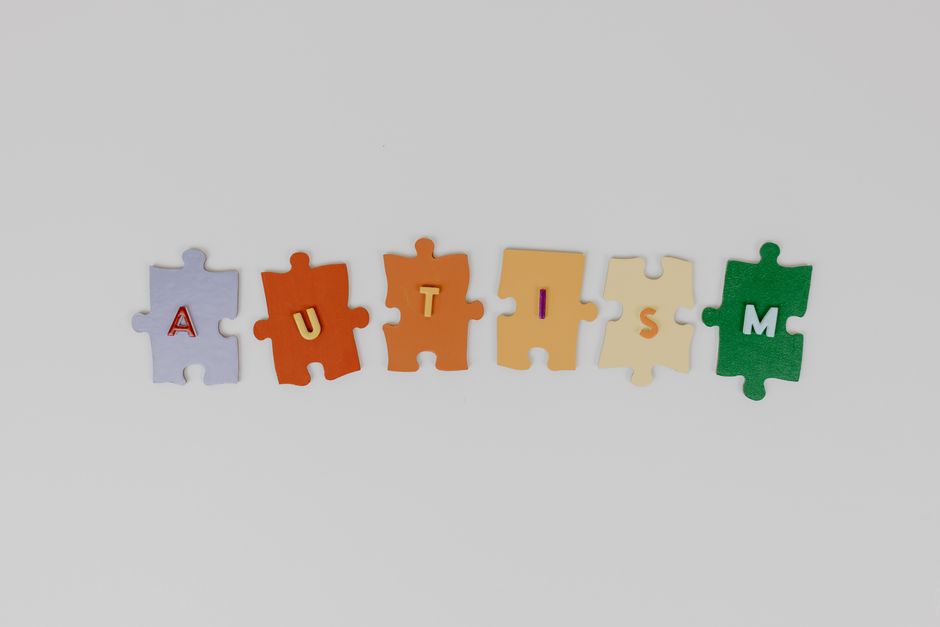
Autism is a neurodevelopmental condition that affects how a person communicates, interacts with others, and experiences the world. It is not a single disease but a spectrum, which means autistic people have a wide range of strengths and challenges. A diagnosis is based on specific behavioral criteria outlined in the DSM-5, including differences in social communication and the presence of restricted or repetitive behaviors.
What Does It Mean to Be Autistic?
Being autistic means your brain processes information differently than a non-autistic brain. This is a difference in function, not a defect. The condition is present from early childhood, even if a person is not diagnosed until much later in life.
Autism affects roughly 1 in 36 children in the United States, according to recent estimates from the CDC. It occurs across all racial, ethnic, and socioeconomic groups. Boys are diagnosed about four times more often than girls, though research suggests girls may be underdiagnosed because they often present with less obvious symptoms.
Autistic traits exist on a continuum. Some autistic people live independently and hold jobs. Others require substantial support for daily living. The term “spectrum” reflects this diversity, not a ranking from mild to severe.
Who Is Autistic How Autism Is Defined And Diagnosed?
Autism is defined by two core areas of difference: persistent challenges in social communication and interaction, and restricted, repetitive patterns of behavior, interests, or activities. These traits must be present from early development and cause clinically significant impairment in daily functioning.
The diagnosis process is standardized. A qualified clinician—usually a psychologist, psychiatrist, or developmental pediatrician—uses the DSM-5 criteria to make the determination. The DSM-5, published by the American Psychiatric Association, is the standard reference for mental health conditions in the US.
The DSM-5 requires that both core areas be present. A person does not “have a little autism” or “look autistic.” They either meet the full diagnostic criteria or they do not. This is a common source of confusion, even among healthcare providers.
What Are the Core Diagnostic Criteria?
The DSM-5 breaks autism diagnosis into two main categories. The first is social communication and interaction. This includes difficulty with back-and-forth conversation, reduced sharing of interests or emotions, and challenges understanding or using nonverbal communication like eye contact or gestures. It also includes difficulty developing, maintaining, and understanding relationships.
The second category is restricted and repetitive behaviors. This includes repetitive movements or speech, insistence on sameness and routines, highly restricted interests, and unusual responses to sensory input—like being overwhelmed by loud noises or seeking out certain textures.
A clinician must document that these traits are present. They also must specify a severity level, from Level 1 (requiring support) to Level 3 (requiring very substantial support). This severity rating helps guide what kind of help a person might need.





How Is an Autism Assessment Conducted?
A proper autism evaluation is not a quick office visit. It typically involves multiple steps and can take several hours across multiple sessions. The clinician gathers information from multiple sources: direct observation, developmental history, and standardized testing.
For children, the evaluation often includes interviews with parents about early development. Clinicians may use tools like the Autism Diagnostic Observation Schedule, or ADOS, which is a structured observation of social and communicative behavior. The Autism Diagnostic Interview-Revised, or ADI-R, is a detailed parent interview used in research and clinical settings.
For adults, the process is different. There is no developmental history from a parent in many cases. Clinicians rely more heavily on self-report, childhood memories, and collateral information from family members if available. Some standardized tools exist for adult assessment, but the evidence base is thinner than for children.
No blood test, brain scan, or genetic test can diagnose autism. These tests may be ordered to rule out other conditions, but they are not diagnostic tools for autism itself.
Why Are Some People Diagnosed Late?
Many adults are now seeking autism evaluations because they recognize their own traits. This is especially common among women and people with milder presentations. Research suggests that girls often learn to “mask” or camouflage their autistic traits, which delays recognition.
Masking means consciously or unconsciously suppressing autistic behaviors to fit in. A girl might force eye contact, rehearse conversations, or copy social scripts. This takes enormous mental energy and often leads to burnout, anxiety, and depression.
A late diagnosis can be life-changing. It can explain years of feeling different or struggling socially without understanding why. For many adults, a diagnosis brings relief and a framework for understanding their own history.
What Causes Autism?
The exact cause of autism is not fully understood, but the evidence points to a combination of genetic and environmental factors. Hundreds of genes have been associated with autism. Some are inherited, while others arise as spontaneous mutations.
Environmental factors are studied as well. Advanced parental age, certain pregnancy complications, and exposure to specific medications in utero have been associated with higher likelihood of autism. These are associations, not proven causes.
Vaccines do not cause autism. This has been studied extensively across multiple countries and large populations. The original 1998 study that suggested a link was retracted, and its lead author lost his medical license. No credible evidence has ever supported a vaccine-autism connection.
Can Autism Be Treated or Cured?
Autism is not an illness to be cured. It is a neurodevelopmental condition that shapes how a person perceives and interacts with the world. There is no medication that treats autism itself.
What does exist are supports and therapies that help autistic people build skills and manage challenges. Speech therapy can help with communication. Occupational therapy can address sensory issues and daily living skills. Behavioral interventions, like Applied Behavior Analysis, are used to teach specific skills, though some autistic adults have raised concerns about certain ABA practices.
Medications may be prescribed for co-occurring conditions such as anxiety, depression, or ADHD. These are not autism treatments; they target specific symptoms that often accompany autism.
The evidence for early intervention is strong. Children who receive appropriate support at a young age often show meaningful improvements in communication and adaptive skills. But “improvement” does not mean the person stops being autistic. It means they have more tools to navigate a world built for neurotypical people.
What Are the Co-Occurring Conditions?
Autism rarely occurs in isolation. Most autistic people have at least one co-occurring medical or psychiatric condition. This is an important part of understanding who is autistic—the diagnosis is rarely the whole picture.
Common co-occurring conditions include ADHD, anxiety disorders, depression, epilepsy, and sleep disorders. Gastrointestinal issues are also reported more frequently in autistic people than in the general population. Intellectual disability occurs in roughly one-third to one-half of autistic individuals, though this varies widely depending on the population studied.
These conditions matter because they often drive the day-to-day challenges more than the core autism traits do. Treating anxiety or improving sleep can have a bigger impact on quality of life than any autism-specific intervention.
What Should You Do If You Think You or Your Child Is Autistic?
If you recognize persistent patterns of social difficulty and repetitive behaviors in yourself or your child, the first step is to seek a professional evaluation. For children, start with your pediatrician. They can refer you to a developmental pediatrician, child psychologist, or autism specialty clinic.
For adults, the path is less standardized. Many adult evaluations are done by psychologists or psychiatrists with specific training in autism. Waiting lists can be long, and some providers do not accept insurance for adult autism assessments. It is worth calling ahead to ask about cost and coverage.
Do not rely on online self-assessments for a diagnosis. They can point you in the right direction, but they cannot replace a clinical evaluation. A proper diagnosis requires a trained professional who can rule out other conditions that mimic autism, such as social anxiety, obsessive-compulsive disorder, or language disorders.
Frequently Asked Questions
At what age is autism usually diagnosed?
Autism can be reliably diagnosed by age 2, though many children are not diagnosed until age 4 or later. Some adults are diagnosed decades after their traits first appeared.
Can autism develop in adulthood?
No. Autism is a neurodevelopmental condition present from early childhood. An adult diagnosis means the traits were always there but were not recognized earlier.
Is autism more common in boys or girls?
Boys are diagnosed about four times more often than girls. Research suggests girls are underdiagnosed because they often mask their symptoms more effectively.
What is the difference between autism and Asperger’s syndrome?
Asperger’s syndrome is no longer a separate diagnosis. In the DSM-5, it was folded into the autism spectrum diagnosis. People previously diagnosed with Asperger’s now receive an autism diagnosis, usually with Level 1 severity.
