
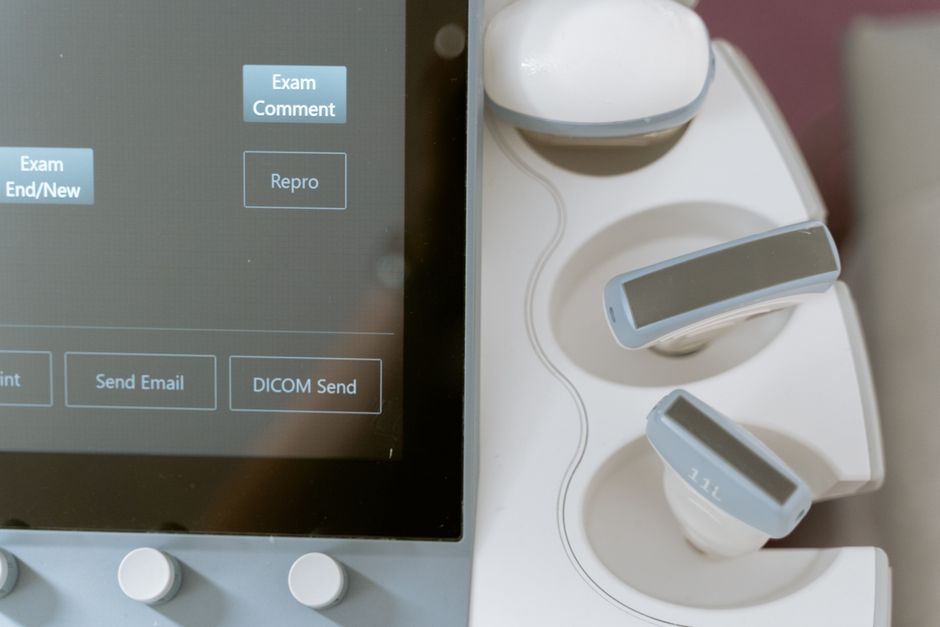
A HIDA scan, also called cholescintigraphy or hepatobiliary scintigraphy, is a nuclear medicine test that tracks bile movement through your liver, gallbladder, and small intestine. It takes about 60 to 90 minutes for the scan itself, though the entire appointment may last up to two hours. The procedure involves an IV injection of a radioactive tracer, followed by a series of images taken by a specialized camera. The scan is done to evaluate gallbladder function, detect bile leaks, and find blockages in the bile ducts.
What Happens Before the HIDA Scan?
You will need to fast for at least four to six hours before the test. Your doctor will give you specific instructions. Fasting is essential because eating triggers your gallbladder to empty, which can change the results.
Tell your doctor about every medication you take. Some drugs can affect gallbladder function and may need to be paused before the scan. This includes narcotic pain relievers and certain medications used for gallbladder or liver conditions.
Wear comfortable clothing with no metal fasteners. You will likely change into a hospital gown for the procedure. Remove jewelry and other metal objects before the scan begins.
How the HIDA Scan Is Performed
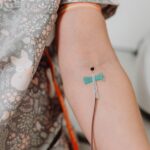
The test begins with an IV line placed in a vein in your arm or hand. A small amount of a radioactive tracer called technetium-99m is injected through the IV. This tracer is attached to a chemical that your liver naturally processes.
Your liver cells absorb the tracer from your bloodstream. The liver then secretes the tracer into bile, just as it would with normal bile production. A gamma camera detects the radiation emitted by the tracer and creates images of your liver, bile ducts, gallbladder, and small intestine.
You lie flat on a scanning table while the camera moves close over your abdomen. You must remain still during each image. The camera does not touch you, and the scan is painless.
Images are taken at set intervals. The first images appear within minutes of the injection. More images follow over the next hour to track the tracer’s movement.
What the Images Show
Normal findings include tracer moving from the liver into the bile ducts, then into the gallbladder, and finally into the small intestine. The timing of this movement matters. The gallbladder should be visible within 30 to 60 minutes after injection.
If the tracer does not enter the gallbladder, it suggests the cystic duct is blocked. If the tracer does not leave the liver, it suggests liver cell dysfunction or a bile duct blockage.
What Is the Cholecystokinin (CCK) Portion?
Some HIDA scans include a second medication called cholecystokinin, or CCK. This hormone makes the gallbladder contract and empty. It is given through the IV over a set period, usually 30 to 60 minutes.
This part of the test measures the gallbladder ejection fraction. That is the percentage of bile the gallbladder releases when it contracts. A normal ejection fraction is typically 35% or higher.
CCK can cause temporary side effects. You may feel nausea, abdominal cramping, or a mild urge to have a bowel movement. These sensations pass quickly once the infusion ends.
Not everyone needs the CCK portion. Your doctor will order it if the question is specifically about gallbladder emptying function rather than just bile flow or blockage.



How Long Does the Whole Procedure Take?
The imaging portion takes about 60 to 90 minutes. With the CCK portion added, the total scan time can reach two hours. Plan for the entire appointment to last up to two and a half hours including check-in and preparation.
In some cases, delayed images are needed. If the tracer moves slowly, your doctor may ask for additional images at three to four hours after injection. This happens most often when a bile leak is suspected.
You can go home immediately after the scan. The radioactive tracer passes through your body naturally in urine and stool over the next day or two. Drink plenty of water after the test to help clear the tracer faster.
Are There Any Risks or Side Effects?
HIDA scans are considered low risk. The radiation exposure is similar to that of other nuclear medicine tests. The amount is small and comparable to several months of natural background radiation.
The tracer itself does not cause allergic reactions in most people. Allergic reactions to the tracer are extremely rare. Tell the technologist immediately if you feel itching, hives, or difficulty breathing during the scan.
The IV site may bruise slightly. This is minor and resolves on its own.
Radiation exposure from a HIDA scan is generally not a concern for the average person. However, the test is avoided during pregnancy unless the benefit clearly outweighs the risk. If you are breastfeeding, talk to your doctor about whether to pause feeding for a short time after the scan.
What Do Abnormal HIDA Scan Results Mean?
An abnormal result does not always mean surgery is needed. The finding depends on which part of the bile pathway is not working correctly.
- Gallbladder not visible: Suggests acute cholecystitis, which is inflammation of the gallbladder usually from a stone blocking the cystic duct.
- Low ejection fraction: Indicates chronic gallbladder dysfunction, sometimes called biliary dyskinesia.
- Tracer outside the bile ducts: Indicates a bile leak, often after gallbladder surgery or liver injury.
- Tracer not leaving the liver: Suggests liver cell disease or an obstruction in the main bile duct.
Your doctor will combine the HIDA scan results with your symptoms, blood tests, and other imaging like ultrasound or CT to make a diagnosis. The HIDA scan alone rarely provides the full picture.
How Does a HIDA Scan Compare to Ultrasound?
Ultrasound is often the first imaging test for gallbladder problems because it is fast and has no radiation. Ultrasound can see gallstones and wall thickening well. But ultrasound cannot tell you how well the gallbladder is functioning.
The HIDA scan provides functional information that ultrasound cannot. It shows whether bile is actually moving and whether the gallbladder contracts properly. This is why the HIDA scan is ordered when ultrasound looks normal but symptoms persist.
Both tests are often used together. Ultrasound gives the anatomy. The HIDA scan gives the function.
How Should You Prepare for Your Appointment?
Follow your fasting instructions exactly. If you eat when you were told not to, the scan may need to be rescheduled.
Write down your complete medication list. Include prescription drugs, over-the-counter products, and supplements. Bring this list with you to the appointment.
Tell the scheduling team if you are pregnant or breastfeeding. They will discuss whether the test is appropriate and what precautions to take.
Plan for someone to drive you home if you are having the CCK portion. The cramping and nausea can be uncomfortable, though most people feel fine to drive themselves. Ask your doctor what they recommend.
Frequently Asked Questions
Does a HIDA scan hurt?
No. The only discomfort is the initial IV insertion, which feels like a brief pinch. The scan itself is completely painless.
How long do you fast before a HIDA scan?
You typically fast for four to six hours before the scan. Your doctor will give you the exact fasting window for your appointment.
Can you eat after a HIDA scan?
Yes. You can eat normally as soon as the scan is finished. Drinking extra water for a day or two helps your body clear the tracer.
What is a normal gallbladder ejection fraction on a HIDA scan?
A normal ejection fraction is 35% or higher. Values below this may indicate gallbladder dysfunction, though results are interpreted alongside your symptoms.
