
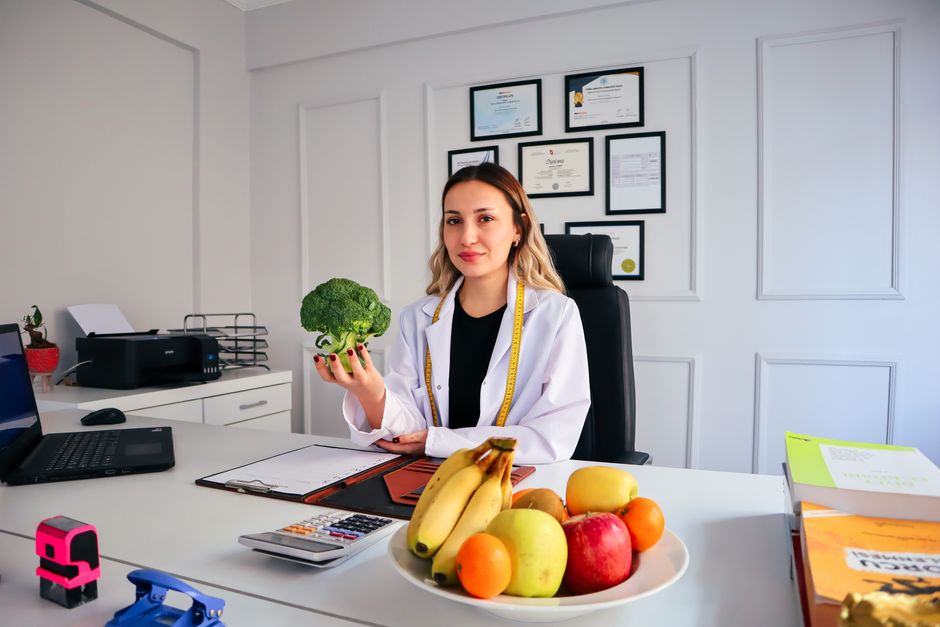
Broccoli is one of the most nutrient-dense vegetables you can put on a plate. A single cup of raw chopped broccoli delivers well over 100 percent of the daily vitamin K most adults need, along with a meaningful dose of vitamin C, folate, and fiber. It is not a cure for anything, but as a regular part of meals, it is strongly linked to better health outcomes.
The real story is more interesting than the headline. Broccoli contains compounds that appear to influence how the body handles toxins and inflammation. Some of that research is solid. Some is early. Knowing which is which helps you decide how much broccoli deserves a spot in your shopping cart.
What Nutrients Does Broccoli Actually Contain?
Broccoli is a cruciferous vegetable, the same family as cabbage, kale, and cauliflower. That family shares a distinctive nutrient profile, and broccoli is one of the most concentrated sources.
A cup of raw chopped broccoli, roughly 91 grams, provides about 2.6 grams of protein, 2.4 grams of fiber, and only around 30 calories. It is a low-calorie food that still contributes meaningful bulk and satiety to a meal.
The vitamin content is where broccoli earns attention. One cup raw provides well over the daily requirement for vitamin K, a nutrient central to blood clotting and bone health. It also supplies a substantial share of the daily vitamin C requirement, plus folate, potassium, and small amounts of vitamin A, vitamin E, and several B vitamins.
On the mineral side, broccoli contributes calcium, iron, magnesium, and phosphorus, though in modest amounts compared with dairy or legumes. The iron in broccoli is plant-based, which the body absorbs less efficiently than the iron in meat. Pairing it with a source of vitamin C, which broccoli already contains, can improve absorption.
Broccoli also contains glucosinolates. These are sulfur-containing compounds that give the vegetable its slightly bitter edge and its characteristic smell when overcooked. When you chop or chew broccoli, an enzyme called myrosinase converts glucosinolates into active compounds, including sulforaphane and indole-3-carbinol. This conversion is the starting point for most of the interesting research on broccoli.
Does Cooking Destroy Broccoli’s Benefits?
Cooking changes broccoli’s nutrient profile, but it does not erase its value. The effects depend heavily on the method and the time.
Vitamin C is heat-sensitive. Boiling broccoli for a long time leaches vitamin C and other water-soluble nutrients into the cooking water, which is often poured down the drain. Steaming, microwaving, or stir-frying preserves more of these nutrients because the vegetable spends less time in contact with water and heat.
The glucosinolate story is more nuanced. The myrosinase enzyme that produces sulforaphane is itself destroyed by heat. If you cook broccoli thoroughly, the enzyme stops working. Interestingly, the gut bacteria in your digestive tract can still convert some glucosinolates into active compounds on their own, so cooking does not eliminate the benefit entirely.
There is a practical trick supported by food science research. Adding a small amount of raw cruciferous vegetable, such as a pinch of raw broccoli, mustard powder, or radish, to cooked broccoli can restore some of the enzyme activity. This is a real finding from laboratory and small human studies, though its long-term health impact has not been measured in large trials.
For most people, the takeaway is simple. Steam or lightly cook broccoli rather than boiling it into mush. Do not worry about achieving perfect nutrient retention. Eating broccoli in any reasonable form is better than not eating it.
Is Broccoli Linked to Lower Cancer Risk?
This is the claim that gets the most attention, and it deserves careful handling. The evidence is promising but not conclusive.
Laboratory studies show that sulforaphane and related compounds can influence several biological processes relevant to cancer, including how cells manage oxidative stress and how the body deactivates certain potentially harmful substances. These mechanisms are well documented in cells and animals.
Human evidence is weaker. Population studies that track large groups of people over time have generally found that higher intake of cruciferous vegetables is associated with lower risk of some cancers, particularly lung and colorectal cancer. But association is not causation. People who eat more vegetables tend to differ from those who do not in many other ways, and researchers try to account for this but cannot fully.
Clinical trials testing whether broccoli or its compounds directly reduce cancer in humans are limited and have not produced definitive results. No health organization recommends broccoli as a cancer treatment or prevention strategy on its own.
The honest position is this. Eating broccoli as part of a varied diet rich in vegetables is reasonable and likely helpful. Treating it as a cancer shield is not supported by the current evidence.





How Does Broccoli Support Heart and Metabolic Health?
Broccoli fits well into eating patterns linked to better heart health, though most of the evidence comes from studying diets as a whole rather than broccoli alone.
The fiber in broccoli is one contributor. Soluble fiber can help bind cholesterol in the digestive tract, and higher fiber intake is consistently associated with lower risk of heart disease in population studies. Broccoli’s fiber content is moderate, not exceptional, so it works best alongside other fiber sources like beans, oats, and whole grains.
Broccoli also supplies potassium, a mineral that helps counterbalance sodium and is associated with lower blood pressure. It contains glucosinolates and flavonoids, plant compounds with antioxidant activity documented in laboratory research. Whether these specific compounds produce measurable heart benefits in people is less clear.
Some small human studies have looked at broccoli intake and markers like inflammatory proteins or blood vessel function. Results have been mixed, and study sizes are generally small. The evidence supports broccoli as part of a heart-healthy diet, not as a standalone intervention.
Who Should Be Careful With Broccoli?
For most people, broccoli is a safe and healthy food. A few groups have legitimate reasons to pay attention.
- People on blood-thinning medication. Broccoli is high in vitamin K, which plays a role in clotting. Warfarin and similar drugs work by interfering with vitamin K. Sudden large changes in vitamin K intake can affect how well these medications work. The guidance from clinicians is usually consistency, not avoidance. Talk to your doctor before making big changes to your intake.
- People with thyroid conditions. Cruciferous vegetables contain compounds called goitrogens that can interfere with thyroid function in theory. In practice, this effect is mainly seen with very high intake combined with iodine deficiency. Normal consumption is not a concern for people with adequate iodine intake.
- People with irritable bowel syndrome or digestive sensitivity. Broccoli contains fermentable carbohydrates that can trigger bloating and gas in some people. Cooking it well and eating smaller portions often helps.
- People taking certain medications. Broccoli can affect how the body processes some drugs, though clinically significant interactions are uncommon. Ask a pharmacist if you take multiple medications.
Broccoli is not known to be allergenic in the way peanuts or shellfish are, but individual reactions are possible.
How Much Broccoli Should You Eat?
There is no official recommendation specific to broccoli. General dietary guidance in the United States encourages adults to eat several cups of vegetables daily, with cruciferous vegetables included among the options.
Most of the research linking cruciferous vegetables to health benefits looks at people eating them several times a week, not daily, and not in large amounts. A serving is typically half a cup to one cup cooked.
Eating broccoli a few times a week is a realistic and sensible target for most adults. More is not necessarily better, and there is no evidence that very high intakes provide extra protection. Variety across different vegetables matters more than any single food.
One clarification worth making. Frozen broccoli is nutritionally comparable to fresh in most respects. It is typically blanched before freezing, which reduces some heat-sensitive nutrients, but it remains a good source of fiber, vitamin K, and minerals. For many households it is the more practical choice.
Is Broccoli Worth the Hype?
Broccoli earns its reputation as a healthy vegetable. It is low in calories, high in several essential vitamins and minerals, and a good source of fiber. It contains compounds with documented biological activity, some of which are being studied for their role in cancer and metabolic health.
What it is not is a shortcut. No single vegetable compensates for an otherwise poor diet, and no food prevents disease on its own. The evidence for broccoli’s most dramatic claims, particularly around cancer, is suggestive rather than proven.
The practical conclusion is unglamorous. Eat broccoli regularly as part of a varied diet. Cook it in ways you actually enjoy so you keep eating it. Do not expect it to do more than food can do.
Frequently Asked Questions
Is broccoli healthier raw or cooked?
Both have advantages. Raw broccoli preserves more vitamin C and keeps the enzyme that produces sulforaphane active, while cooking improves the availability of some minerals and makes the vegetable easier to eat in quantity. Steaming lightly is a reasonable middle ground.
Can eating broccoli help you lose weight?
Broccoli can support weight management because it is low in calories and high in fiber, which helps with fullness. It does not cause weight loss on its own, and no food does.
Does broccoli interact with blood thinners?
Yes, broccoli is high in vitamin K, which can affect how drugs like warfarin work. The usual clinical guidance is to keep vitamin K intake steady rather than avoid broccoli, so talk to your doctor about your specific situation.
Is frozen broccoli as healthy as fresh?
Frozen broccoli is nutritionally similar to fresh for most nutrients, though some heat-sensitive vitamins may be slightly lower because of blanching before freezing. It remains a good source of fiber, vitamin K, and minerals.
