
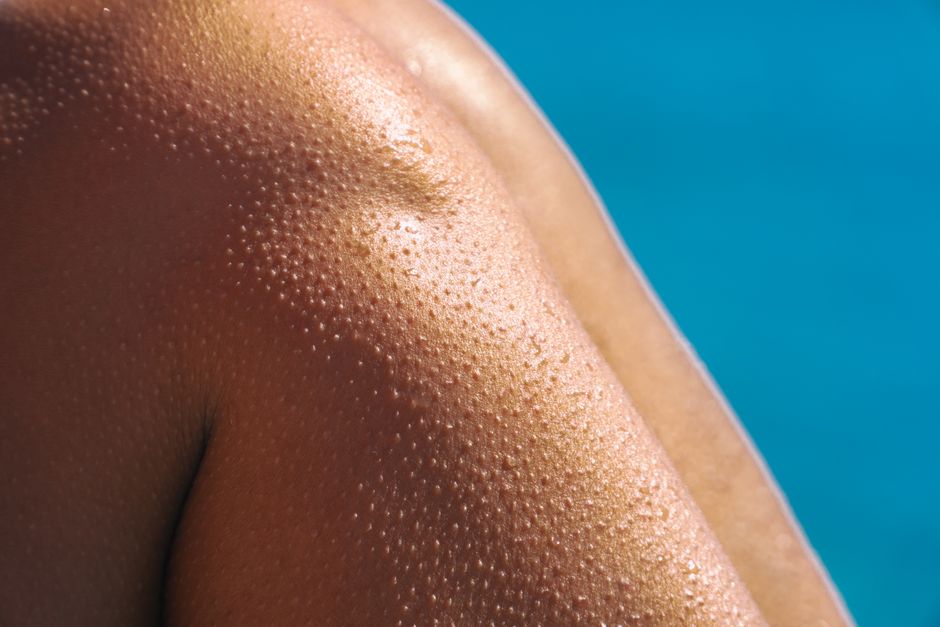
You cannot permanently shrink a pore. Pores are openings in your skin that hold hair follicles and oil glands, and their size is largely set by genetics. What you can do is make them look smaller by keeping them clear, reducing the oil that stretches them, and supporting the collagen that keeps the skin around them firm.
That distinction matters because most products marketed for “pore shrinking” cannot change the physical structure of a pore. They can change how a pore looks by removing what fills it. Once you understand what actually makes pores appear large, the steps that help become much clearer.
What Actually Makes Pores Look Large?
Pore size is determined mostly by genetics and oil production. People with naturally oilier skin tend to have more visible pores because sebum flows through them and can stretch the opening over time.
Several other factors add to the appearance:
- Sebum and dead skin cells collect inside the pore, making it look wider and darker.
- Loss of collagen and elastin as you age reduces the firmness of skin around the pore. The pore itself does not grow, but the skin around it sags, making it look bigger.
- Sun damage breaks down collagen and thickens the outer skin layer, which can make pores more noticeable.
- Blackheads are open pores filled with oil and dead cells that have oxidized and turned dark. The dark color makes the pore look larger than it is.
- Chronic picking or squeezing can damage the pore and surrounding skin, sometimes causing permanent enlargement or scarring.
One detail worth knowing: a blackhead is not dirt. The dark color comes from melanin and oxidized oil, not from poor hygiene. Scrubbing harder will not clear it and can irritate the skin.
Do Pore Strips and Steam Actually Work?
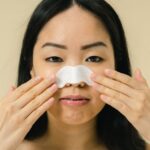
Pore strips remove some surface oil and dead cells from the top of the pore. The effect is temporary, often lasting a day or less, and the strips do not change pore size. They can also irritate skin if used often.
Steam can soften the material inside a pore and make extraction easier, but it does not shrink pores. Any benefit fades once the skin returns to its normal state.
These methods are not harmful for most people when used occasionally. They simply do not deliver the lasting change the marketing suggests. No study has confirmed that either method reduces pore size over time.
What Skincare Ingredients Can Help?
A few ingredients have reasonable evidence for improving the look of pores, mostly by keeping them clear or supporting collagen. Results take weeks to months, not days.
Retinoids. Prescription tretinoin and over-the-counter retinol can increase collagen production and help skin cells turn over faster. This can make pores appear smaller over time. Retinoids are among the better-supported options, though they can cause dryness and irritation, especially at first.
Salicylic acid. This beta-hydroxy acid is oil-soluble, so it can get inside the pore and help break down the material blocking it. It is widely used for blackheads and congested pores. It does not change pore structure.
Niacinamide. Some studies suggest it can reduce oil production and improve skin texture. The evidence is moderate, not definitive.
Alpha-hydroxy acids such as glycolic acid help remove dead skin cells from the surface. This can make pores look cleaner and less noticeable, but the effect is on the surface, not the pore itself.
No topical product has been shown to permanently shrink a pore. The goal is to keep pores clear so they look smaller, and to support the skin around them.



Can Professional Treatments Make a Difference?
In-office procedures can produce more noticeable changes than at-home products, mainly by remodeling collagen or resurfacing the skin. Results vary, and none of these permanently shrink a pore.
| Treatment | How it works | What to expect |
|---|---|---|
| Laser resurfacing | Removes outer skin layers and stimulates collagen | Can improve texture and pore appearance; requires recovery time |
| Microneedling | Creates tiny wounds that trigger collagen production | Gradual improvement over several sessions |
| Chemical peels | Removes surface skin cells | Clears congestion; effect is temporary |
| Microdermabrasion | Exfoliates the top layer | Mild, short-lived improvement |
These treatments carry risks, including redness, pigment changes, and in rare cases scarring. A dermatologist can assess whether a given option suits your skin. Cost and downtime vary widely.
How Do You Get Rid Of Large Pores on Your Face?
The most reliable approach combines daily care with realistic expectations. Consistency matters more than any single product.
- Cleanse gently twice a day. Harsh scrubbing strips the skin and can trigger more oil production.
- Use a salicylic acid product if you are prone to clogged pores. Start slowly to avoid irritation.
- Add a retinoid if your skin tolerates it. This is the ingredient with the strongest case for long-term improvement.
- Moisturize. Dry skin can look dull and make pores more obvious. Hydrated skin looks smoother.
- Wear sunscreen daily. Sun damage breaks down collagen, which makes pores look larger over time. This is one of the most important steps for the long run.
- Do not pick or squeeze. This can enlarge pores and cause scarring.
Improvement is gradual. Most people notice changes over eight to twelve weeks of consistent care, not overnight.
What About Makeup and Primer?
Makeup cannot shrink pores, but it can blur their appearance. Silicone-based primers fill in the surface temporarily, creating a smoother look. The effect lasts only as long as the product is on your skin.
Look for primers labeled non-comedogenic if you are prone to clogged pores. Heavy or occlusive products can trap oil and make congestion worse over time.
When Should You See a Dermatologist?
See a dermatologist if your pores are accompanied by persistent acne, if you notice sudden changes in your skin, or if over-the-counter products have not helped after a few months.
A dermatologist can also rule out other conditions that can look like enlarged pores, such as certain types of scarring or skin conditions that affect texture. Prescription treatments are available that are stronger than what you can buy without a prescription.
What Does Not Work for Large Pores?
Several popular approaches have little or no evidence behind them.
- Ice rolling may reduce puffiness briefly but does not change pore size.
- Apple cider vinegar is acidic and can irritate skin. No evidence supports it for pore size.
- Egg white masks tighten skin temporarily as they dry, but the effect washes off.
- Baking soda disrupts the skin’s natural barrier and is not recommended.
- Toothpaste on spots can burn and irritate skin. It is not a pore treatment.
These methods range from harmless but ineffective to genuinely irritating. None has been shown to reduce pore size.
The Bottom Line on Pore Size
You cannot permanently shrink a pore, but you can make pores look smaller. Keep them clear with gentle cleansing and salicylic acid, support collagen with a retinoid if your skin tolerates it, and protect your skin from the sun every day.
Genetics set the baseline. Your daily habits shape how noticeable that baseline is. Progress is slow, and no product will deliver a permanent change. Anyone promising otherwise is overselling.
Frequently Asked Questions
Can you actually shrink pores permanently?
No. Pore size is largely determined by genetics and cannot be permanently changed by skincare products. You can make pores look smaller by keeping them clear and supporting the skin around them.
Does ice really shrink your pores?
Ice can temporarily reduce puffiness and tighten skin for a short time, but it does not change pore size. Any effect fades within minutes to hours.
How long does it take to see results from pore treatments?
Most people notice gradual improvement after eight to twelve weeks of consistent care, especially with retinoids. Results vary by skin type and how faithfully you follow a routine.
Are large pores a sign of bad skin or poor hygiene?
No. Large pores are mostly genetic and related to oil production. They are not caused by poor hygiene, and scrubbing harder will not make them smaller.
