
You cannot shrink a pore. Pores are small openings in your skin that hold hair follicles and oil glands, and their physical size is set by your genetics. What you can do is make them look smaller by keeping them clear, reducing the oil and skin cells that stretch them open, and protecting the collagen that keeps the skin around them firm. That is the realistic goal, and it is very achievable with consistent daily care.
What Are Facial Pores and Why Do They Look Large?
A pore is the opening of a hair follicle on the surface of your skin. Nearly every pore on your face contains a sebaceous gland, which produces sebum, the oil that lubricates and protects your skin.
Pores do not have muscles. They cannot open and close on command. That idea is one of the most persistent myths in skincare. What actually happens is that a pore looks larger when it is stretched or blocked. Sebum, dead skin cells, and debris collect inside, pushing the walls outward. The result is a visibly wider opening.
Several factors influence how large your pores appear:
- Genetics. Pore size is largely inherited. If your parents have visible pores, you likely will too.
- Oil production. More sebum means more pressure inside the pore.
- Skin elasticity. As collagen and elastin break down with age and sun exposure, the skin around a pore sags, making the opening look bigger.
- Hormones. Androgens increase oil production, which is why pores often become more noticeable during puberty and around menstrual cycles.
Men tend to have larger pores than women on average, partly because male skin is thicker and produces more sebum. This is a general trend, not a rule that applies to every person.
How To Diminish Pores On Face: Step by Step
Consistency matters more than any single product. A pore that is kept clear stays visually smaller. Skip your routine for a week, and sebum and dead cells will refill it.
Step 1: Cleanse Gently, Twice a Day
Wash your face in the morning and before bed with a mild, non-comedogenic cleanser. Harsh scrubs and strong soaps strip the skin barrier, which triggers a rebound in oil production. That extra oil can refill and stretch your pores.
Use lukewarm water. Hot water irritates the skin and can worsen redness around enlarged pores.
Step 2: Use a Chemical Exfoliant, Not a Scrub
Salicylic acid is a beta-hydroxy acid that dissolves the bonds holding dead skin cells together inside the pore. It is oil-soluble, which means it can penetrate the sebum plug itself. This is different from a physical scrub, which only buffs the surface and can cause microtears.
Many over-the-counter products contain salicylic acid at concentrations of 0.5% to 2%. Start with a lower concentration two or three times a week and build up as your skin tolerates it. If you have sensitive skin, patch test first.
Step 3: Add a Retinoid at Night
Retinoids are vitamin A derivatives that speed up cell turnover and help keep pores clear. Over time, they also support collagen production, which can improve the firmness of the skin around pores. This is one of the few ingredient categories with real evidence behind it for pore appearance.
Prescription tretinoin is stronger than over-the-counter retinol. Both can cause dryness, peeling, and sun sensitivity at first. Introduce them slowly, use a pea-sized amount for the whole face, and always follow with moisturizer.
If you are pregnant, trying to conceive, or breastfeeding, do not use retinoids. No clinical guidelines support their use in pregnancy, and they are generally avoided. Talk to your doctor about alternatives.
Step 4: Moisturize Daily
Dehydrated skin looks dull and can make pores seem more pronounced. A lightweight, non-comedogenic moisturizer keeps the skin barrier intact without adding heaviness. Look for labels that say “non-comedogenic” or “won’t clog pores.”
Step 5: Wear Sunscreen Every Day
Ultraviolet light breaks down collagen and elastin. That loss of structural support is a major reason pores look larger as people age. Daily broad-spectrum sunscreen is one of the most effective long-term steps you can take, not just for pores but for overall skin health.
Choose a formula you will actually wear every day. A sunscreen you skip is no protection at all.
Do Pore Strips and Pore Vacuums Actually Work?
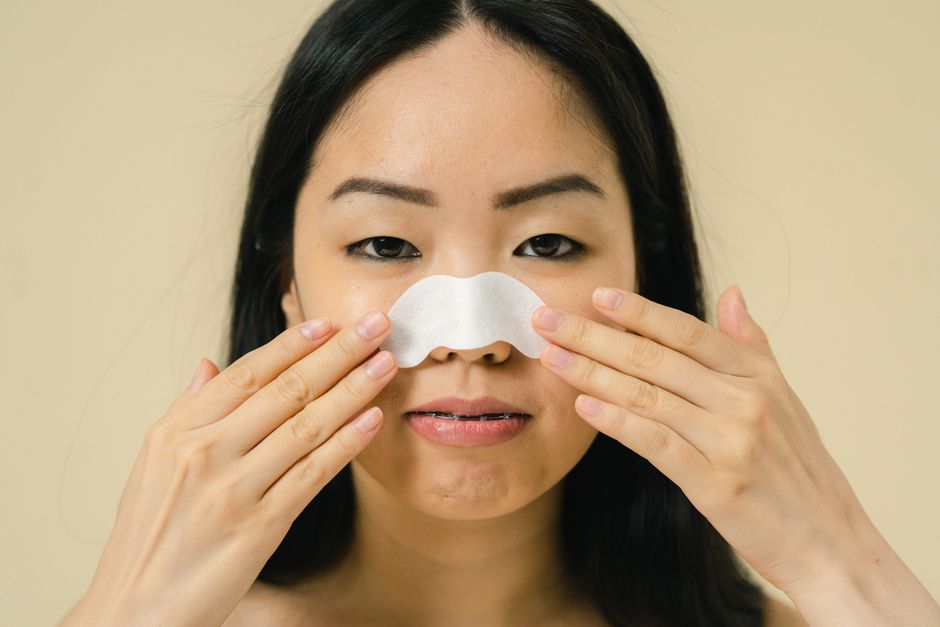
Pore strips pull out some surface debris, and the immediate result can look satisfying. But they do not reach the sebaceous gland or change the pore’s structure. The effect is temporary, often lasting only a day or two. Overuse can irritate the skin.
Pore vacuums use suction to remove oil and blackheads. Some people see short-term improvement. There is little published clinical evidence that they produce lasting changes in pore size, and aggressive suction can cause bruising or broken capillaries.
Neither tool addresses the underlying factors — oil production, cell turnover, and collagen loss — that determine how large a pore appears.




Which Ingredients Have Real Evidence Behind Them?
Some ingredients have stronger support than others. Here is how they compare.
| Ingredient | How It Works | Evidence Level |
|---|---|---|
| Salicylic acid | Dissolves debris inside the pore | Well established for acne and clogged pores |
| Retinoids | Increase cell turnover, support collagen | Well established for skin texture and aging |
| Niacinamide | May reduce oil production and support the skin barrier | Some studies suggest benefit |
| Glycolic acid | Exfoliates the skin surface | Well established as an exfoliant |
| Sunscreen | Prevents collagen breakdown | Strong consensus |
Niacinamide is worth a closer look. Some studies indicate it can reduce sebum production, which may make pores appear smaller over time. The evidence is promising but not as strong as the evidence for retinoids or sunscreen.
Be cautious with products that claim to “shrink” pores. No topical product can change the physical size of a pore. What they can do is make it look smaller by keeping it clear and improving the skin around it.
What About Professional Treatments?
In-office procedures can improve the appearance of pores, but results vary and none of them permanently shrink a pore.
Laser resurfacing, microneedling, and chemical peels are among the options some dermatologists offer. These treatments work by stimulating collagen production or removing damaged surface layers. They may make pores look smaller for a period of time, but the effect is not permanent and maintenance sessions are often needed.
These procedures carry risks, including redness, swelling, infection, and changes in skin pigmentation. They also cost significantly more than at-home care. If you are considering one, discuss it with a board-certified dermatologist who can assess your skin type and goals.
No professional treatment is a substitute for daily sun protection and a consistent home routine. Without those, results fade quickly.
What Makes Pores Look Worse?
Certain habits and conditions reliably make pores more visible. Avoiding them can help as much as adding new products.
- Picking and squeezing. This inflames the pore and can permanently damage the surrounding tissue.
- Sleeping in makeup. It clogs pores overnight and increases the chance of blackheads.
- Sun exposure without protection. It breaks down the collagen that keeps pores looking tight.
- Over-washing. Stripping the skin triggers more oil production, not less.
- Heavy, pore-clogging products. Thick creams and comedogenic makeup can stretch pores over time.
Smoking is another factor. It reduces blood flow to the skin and damages collagen and elastin, which can make pores appear larger over the years.
How Long Before You See a Difference?
Some improvement in the look of your pores can appear within a few weeks of a consistent routine. Retinoids often take longer. Visible changes in skin texture from retinoid use typically take several months, and results build with continued use.
Be patient and consistent. Pore appearance is influenced by oil production, cell turnover, and collagen, and none of those change overnight. If you see no change after a few months of a solid routine, a dermatologist can help you adjust your approach.
Frequently Asked Questions
Can you actually shrink your pores?
No. Pore size is determined by genetics and skin structure, and no topical product or procedure can permanently change it. What you can do is make pores look smaller by keeping them clear and protecting your skin’s collagen.
What is the fastest way to make pores look smaller?
There is no instant fix, but keeping pores clear with salicylic acid and using a retinoid at night can produce visible improvement over a few weeks. Sunscreen protects those results long term.
Do pore strips make pores bigger over time?
No. Pore strips do not enlarge pores, but their effect is temporary and they can irritate the skin if used too often. They remove surface debris without addressing oil production or cell turnover.
Are large pores a sign of a skin problem?
Large pores are usually a normal variation in skin, not a medical condition. If you also have persistent acne, redness, or oily skin that bothers you, a dermatologist can help identify whether an underlying condition is involved.
