
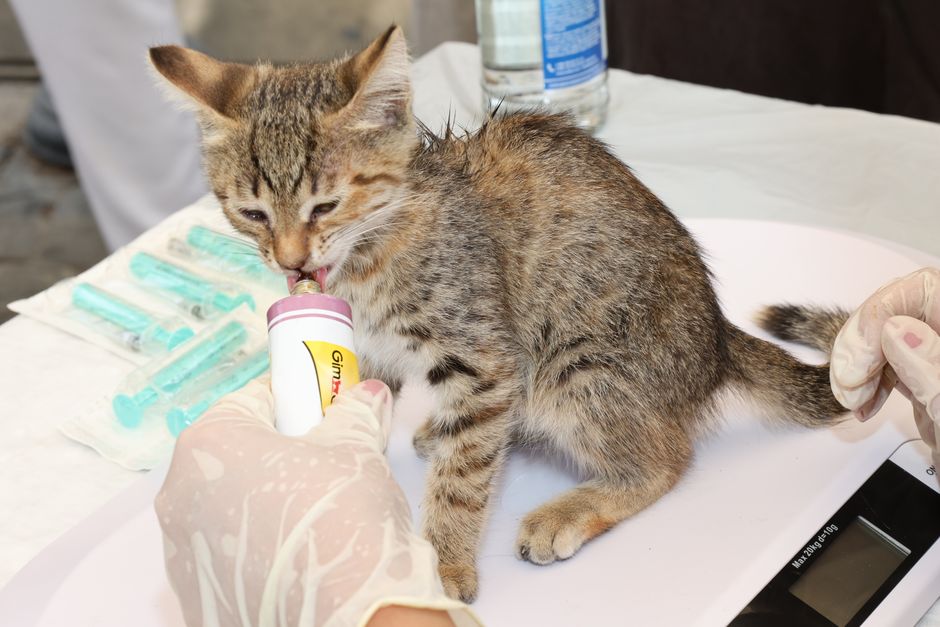
Switching a kitten to formula is a common cause of digestive upset, but the formula itself is rarely the real problem. Diarrhea in kittens fed formula usually comes from how the formula is mixed, how fast the kitten eats, or an underlying issue like parasites or an infection. The good news is that most cases of formula-related diarrhea can be prevented with careful preparation and feeding habits. If diarrhea does happen, acting quickly matters because kittens dehydrate faster than adult cats.
Why Does Kitten Formula Cause Diarrhea?
Kitten formula is designed to mimic the nutrition of queen’s milk. When mixed and fed correctly, most kittens tolerate it well. Diarrhea happens when something disrupts the delicate balance of the kitten’s digestive system.
The most common cause is overfeeding. Kittens have tiny stomachs. Feeding too much at once overwhelms their digestive tract, and the excess simply passes through too quickly. This produces loose, sometimes frothy stools.
Another frequent cause is incorrect dilution. Formula that is mixed too weak lacks the calories and nutrients a kitten needs. Formula mixed too strong forces the kidneys and gut to work harder than they should. Both extremes can trigger diarrhea.
Temperature also plays a role. Formula that is too hot can scald the kitten’s mouth and stomach lining. Formula that is too cold can slow digestion and cause cramping. The goal is body temperature, around 100°F.
How to Tell If the Formula Is the Problem
Not every case of diarrhea in a bottle-fed kitten comes from the formula. If you have ruled out mixing errors and feeding speed, the cause may be something else entirely.
Parasites are extremely common in kittens. Roundworms and coccidia are the usual suspects. Kittens can be born with these parasites or pick them up from their mother’s milk. Diarrhea from parasites often appears suddenly and may contain mucus or blood.
Infections also cause diarrhea. Feline panleukopenia, a viral infection, is a serious risk for unvaccinated kittens. Bacterial infections from contaminated bottles or nipples can also upset the gut.
If the kitten has a good appetite, is playful, and only has mild loose stools, the formula preparation is the likely culprit. If the kitten is lethargic, refusing to eat, vomiting, or has bloody diarrhea, the formula is not the issue. Veterinary care is needed immediately.
Feeding Technique Mistakes That Lead to Diarrhea
How you feed the kitten is just as important as what you feed. Several common mistakes directly contribute to digestive distress.
- Feeding too fast: Kittens should take about 1 to 2 minutes to finish a bottle. If the nipple hole is too large, formula flows too quickly and the kitten gulps air along with it. This causes gas, cramping, and loose stools.
- Feeding in the wrong position: Kittens must be fed on their stomachs, never on their backs like human babies. An upright position allows formula to flow into the stomach properly. Feeding on the back can cause formula to enter the lungs, which is dangerous.
- Skipping burping: Kittens swallow air while nursing. If that air is not released, it builds up in the stomach and intestines. Burping the kitten after each feeding reduces gas and helps digestion.
- Not warming the formula consistently: A cold bottle followed by a warm bottle confuses the digestive system. Keep the temperature steady for every feeding.





The Correct Way to Mix and Store Kitten Formula
Every brand of kitten formula has specific mixing instructions on the package. Those instructions exist for a reason. Follow them exactly. Do not guess at the ratio of powder to water.
Use warm water to mix the powder. Warm water helps the powder dissolve completely. Lumps of undissolved powder can cause digestive upset. Stir or shake thoroughly until no powder remains.
Never use a blender to mix formula. Blending introduces too much air, which the kitten will swallow. A fork, whisk, or vigorous shaking works fine. Let the formula sit for a minute after mixing so the bubbles settle.
Mixed formula is perishable. Refrigerate any unused portion immediately. Discard formula that has been refrigerated for more than 24 hours. Never leave mixed formula at room temperature for more than an hour. Bacteria multiply quickly in warm liquid, and bacterial contamination is a direct cause of diarrhea.
Warm only the amount you need for each feeding. Do not rewarm the same bottle multiple times. Each reheating cycle increases the risk of bacterial growth.
How to Prevent Diarrhea When Switching Formulas
Sometimes a kitten needs a different formula. This can happen if the current formula causes persistent digestive issues or if the kitten refuses to eat it. Switching formulas requires care.
Never switch abruptly. A sudden change in diet is a guaranteed way to cause diarrhea, even if the new formula is better quality. The kitten’s digestive system needs time to adjust to the new protein source and carbohydrate profile.
Start by mixing 75% old formula with 25% new formula for the first day. If the kitten tolerates that, move to a 50/50 mix for the next day. Then 25% old with 75% new. By day four, the kitten should be on the new formula entirely.
Watch the stool throughout the transition. Soft stools are acceptable during a transition. Watery diarrhea is not. If watery diarrhea develops, go back to the previous ratio and hold steady for another day before trying again.
How to Treat Mild Formula-Related Diarrhea at Home
Mild diarrhea from overfeeding or a mixing error usually resolves within 12 to 24 hours once the cause is corrected. The first step is always to fix the feeding technique.
Reduce the amount per feeding. Cut the volume by 25% and feed more frequently instead. For example, if the kitten normally takes 15 mL per feeding, give 11 mL every two hours instead of every three. This gives the digestive tract less to handle at once.
Make sure the kitten stays hydrated. Diarrhea causes fluid loss, and kittens are small enough that even mild dehydration is dangerous. Offer plain water in addition to formula if the kitten is old enough to lap. For younger kittens, the formula itself provides hydration, but watch for signs of dehydration.
Signs of dehydration in kittens include dry gums, sunken eyes, and skin that stays tented when gently pinched. A healthy kitten’s skin snaps back immediately. If the skin stays up, the kitten needs veterinary fluids.
Do not give anti-diarrheal medications made for humans or adult cats. These are dangerous for kittens. No over-the-counter product is safe for a kitten under eight weeks old without veterinary approval.
Probiotics for Kittens With Diarrhea
Probiotics have gained attention as a way to support digestive health in kittens. Some research suggests they may help restore healthy gut bacteria after a bout of diarrhea. The evidence in kittens is not as strong as it is in adult cats or humans.
Some veterinary probiotics are formulated specifically for kittens and puppies. These contain strains of bacteria like Enterococcus faecium or Bifidobacterium animalis. These products have shown some benefit in supporting normal digestion.
Human probiotics are not appropriate for kittens. The bacterial strains are different, and the dosing is designed for a much larger digestive system. Giving a kitten a human probiotic can cause further imbalance.
If you choose to use a probiotic, ask a veterinarian for a product recommendation. They can advise on the correct dose for the kitten’s weight and age. Probiotics are a support measure, not a cure for diarrhea caused by infection or parasites.
When to See a Veterinarian Immediately
Some situations require urgent veterinary care. Do not wait to see if the kitten improves. Kittens decline quickly.
Seek immediate veterinary attention if the kitten has any of the following:
- Blood in the stool, either bright red or dark and tarry
- Vomiting along with diarrhea
- Lethargy or weakness
- Refusal to eat for more than one feeding
- Signs of dehydration
- Diarrhea that lasts more than 24 hours despite correcting feeding technique
Kittens under four weeks old are especially fragile. Their immune systems are not fully developed, and their bodies cannot regulate fluids as effectively as older kittens. Any diarrhea in a newborn kitten warrants a call to the veterinarian.
Frequently Asked Questions
Can I switch kitten formula brands to stop diarrhea?
Yes, but only after ruling out mixing errors and overfeeding. If you switch, do it gradually over four days by mixing old and new formula together.
How much kitten formula should I feed to prevent diarrhea?
Feed about 2 tablespoons of formula per 4 ounces of body weight per day, divided into multiple small feedings. Follow the package directions for your specific formula and the kitten’s age.
Is diarrhea normal when a kitten first starts drinking formula?
Mild soft stools can happen for the first day or two as the kitten’s digestive system adapts. Watery diarrhea is not normal and requires attention.
Can I add rice cereal to kitten formula to stop diarrhea?
No. Rice cereal is not appropriate for kittens and can cause nutritional imbalances. Focus on correct mixing, proper feeding technique, and veterinary guidance if diarrhea persists.
