
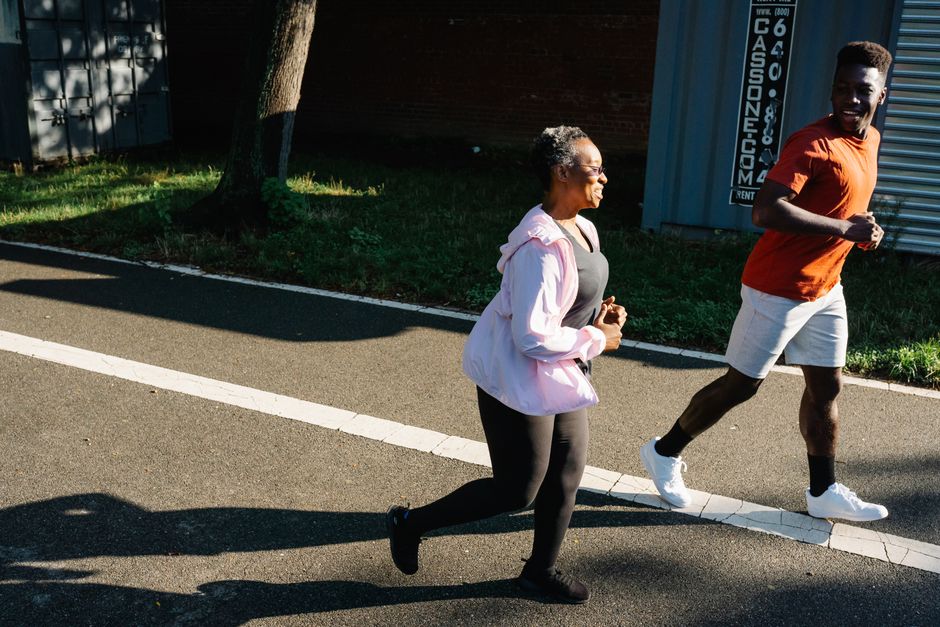
Walking is one of the most accessible forms of exercise, and it can absolutely help you lose weight. The distance you need to walk depends on your current weight, your diet, and how fast you walk. A general target is 10,000 steps a day, which is roughly 5 miles, but weight loss happens when you consistently burn more calories than you eat.
How Far Should You Walk Each Day to See Results?
For most people, walking 3 to 4 miles a day (about 6,000 to 8,000 steps) is a solid starting point. That distance burns roughly 300 to 400 calories for a person weighing 155 pounds. Over a week, that adds up to about 2,000 to 2,800 calories burned from walking alone.
That translates to roughly half a pound of fat loss per week if your diet stays the same. If you increase your distance to 5 miles a day, you will burn more calories and lose weight faster. The exact number depends on your body weight—heavier people burn more calories per mile than lighter people.
Consistency matters more than perfection. Walking 4 miles a day five days a week will produce better results than walking 10 miles once a week. Your body responds to regular, sustained activity.
How Many Calories Does Walking Actually Burn?
Calories burned during walking depend on three main factors: your body weight, your walking speed, and the distance you cover. Distance is the most important factor. Walking a mile burns roughly 80 to 100 calories for a 155-pound person, regardless of whether you walk it in 15 minutes or 25 minutes.
Speed does matter, but less than people think. Walking at a brisk pace of 3.5 miles per hour burns more calories per minute than a leisurely 2 miles per hour. But if you walk the same distance at either speed, the total calorie burn is similar. The main difference is that faster walking takes less time.
Here is a general breakdown of calories burned per mile based on body weight:
| Body Weight | Calories Burned Per Mile |
|---|---|
| 120 pounds | 65-75 calories |
| 155 pounds | 80-100 calories |
| 185 pounds | 100-120 calories |
| 215 pounds | 115-140 calories |
These numbers are estimates based on metabolic equivalent (MET) research. Individual variation exists, but this gives you a realistic picture of what walking can do.
Does Walking Speed or Distance Matter More for Weight Loss?
Distance matters more than speed for total calorie burn. Walking two miles at a moderate pace burns more calories than walking one mile at a very brisk pace. If your goal is weight loss, focus on increasing your total weekly mileage first.
That said, walking faster has benefits beyond calorie burn. Brisk walking improves cardiovascular fitness, builds endurance, and can help you cover more distance in less time. If you only have 30 minutes a day, picking up the pace is the best way to maximize your workout.
Interval walking can also help. Alternating between a comfortable pace and a fast pace for short bursts has been shown to improve fitness faster than steady-paced walking. Some research suggests interval walking also produces slightly greater reductions in belly fat compared to steady walking.
The practical takeaway: walk as far as your schedule allows, and when you can, walk a little faster. Both matter, but distance is the primary driver of calories burned.





How Many Steps Should You Aim For?
The 10,000-step goal is widely known, but it is not a magic number. It originated as a marketing campaign for a Japanese pedometer in the 1960s, not from clinical research. That does not make it wrong—it is a reasonable target—but it is not a scientifically derived threshold.
Research published in JAMA Internal Medicine found that women who walked about 4,400 steps per day had lower mortality rates than those who walked fewer than 2,700 steps. The benefits continued to increase up to about 7,500 steps per day, where they leveled off. This suggests that 7,500 to 10,000 steps is a good range for general health.
For weight loss specifically, you may need more than 10,000 steps. If you are already walking 5,000 steps a day, jumping to 10,000 may not create enough of a calorie deficit to lose weight. You may need 12,000 to 15,000 steps daily to see meaningful changes on the scale.
Start where you are and add 1,000 to 2,000 steps per week. This gradual increase reduces injury risk and gives your body time to adapt. Use a pedometer or smartphone app to track your baseline first.
How Long Does It Take to See Weight Loss From Walking?
Most people notice changes within 4 to 6 weeks of consistent walking. Early weight loss may be modest—about 1 to 2 pounds per month if you are walking 3 to 4 miles most days. This assumes your diet stays roughly the same.
Weight loss from walking alone is slower than from dieting alone. Exercise burns calories, but it is much easier to eat back those calories than to burn them off. A single fast food meal can easily exceed the calories you burned in a 4-mile walk.
Walking combined with even modest dietary changes produces faster results. For example, cutting 250 calories per day from your diet and walking 3 miles per day creates a daily deficit of about 500 calories. That translates to roughly one pound of weight loss per week.
Be patient with the process. Walking improves body composition even when the scale does not move much. You may lose inches and gain muscle tone before you see a significant drop in weight.
What Is the Best Walking Routine for Weight Loss?
A sustainable routine beats an intense one you cannot maintain. Aim for at least 150 minutes of moderate-intensity walking per week, which matches general physical activity guidelines. That breaks down to about 30 minutes a day, five days a week.
For weight loss, you will likely need more—closer to 250 to 300 minutes per week. That is 45 to 60 minutes most days. This aligns with research showing that higher volumes of physical activity produce greater weight loss.
Here is a sample weekly walking plan:
- Monday: 45-minute brisk walk
- Tuesday: 30-minute interval walk (alternate 1 minute fast, 2 minutes moderate)
- Wednesday: 45-minute moderate walk
- Thursday: Rest or light 20-minute stroll
- Friday: 45-minute brisk walk
- Saturday: 60-minute longer walk
- Sunday: Rest or active recovery
Add hills or stairs when you can. Walking on an incline increases calorie burn by roughly 30 to 40 percent compared to flat ground. Carrying a weighted vest also increases intensity, but start light—10 to 15 pounds maximum—to avoid joint strain.
How Do You Know If You Are Walking Fast Enough?
You should be able to talk while walking, but not sing. This is a reliable indicator of moderate-intensity exercise. If you can sing comfortably, you are walking too slowly for fitness benefits.
Your heart rate should be elevated but not racing. A simple check: you should feel warm and slightly breathless, but you should not be gasping for air. If you cannot say more than a few words without pausing for breath, slow down.
Walking at 3 miles per hour or faster generally qualifies as brisk walking for most adults. That is a 20-minute mile. If you walk a mile in 20 minutes or less, you are in the right zone.
Can Walking Alone Cause Weight Loss Without Diet Changes?
Yes, but the results will be slower. Research consistently shows that exercise alone produces less weight loss than exercise combined with dietary changes. A review of studies found that exercise-only interventions typically produce 2 to 3 pounds of weight loss over several months.
The reason is simple: it is easier to consume 500 calories than to burn them. A 4-mile walk burns roughly 350 to 400 calories. One slice of pizza or a small dessert can erase that entire deficit.
Walking alone can still work if you walk enough. Walking 6 to 8 miles a day creates a significant calorie deficit that will produce weight loss regardless of diet. This is why people with physically active jobs or lifestyles often maintain healthy weights without formal exercise.
But for most people, the practical answer is that walking works best alongside reasonable eating habits. You do not need to diet strictly—just avoid eating back all the calories you burn.
What If You Cannot Walk Far Due to Joint Pain or Health Issues?
Start with shorter distances and focus on consistency. Walking 15 minutes a day is better than not walking at all. You can gradually increase your distance as your fitness improves.
If you have knee or hip pain, consider walking on softer surfaces like a track or grass. Proper footwear with good cushioning also helps. Some people find that walking in a pool or using an elliptical machine provides similar cardiovascular benefits without joint impact.
Your weight affects your joints. Every pound of excess weight adds roughly 4 pounds of pressure on your knees. Losing even 5 to 10 percent of your body weight can significantly reduce joint pain, making walking easier over time.
Frequently Asked Questions
How many miles should I walk a day to lose weight?
Walking 3 to 5 miles a day is a realistic target for weight loss. This burns roughly 300 to 500 calories depending on your weight and pace.
Is walking 30 minutes a day enough to lose weight?
Walking 30 minutes a day can help you maintain weight or lose a small amount, but it is often not enough for significant weight loss. You will likely need 45 to 60 minutes most days to see meaningful changes.
How fast should I walk to lose belly fat?
Walking speed does not specifically target belly fat, but brisk walking at 3 miles per hour or faster burns more calories. Weight loss from walking reduces fat throughout your body, including your midsection, though genetics determine where fat is lost first.
Will I lose weight if I walk 10,000 steps a day?
Many people lose weight at 10,000 steps daily, but it depends on your diet and starting weight. If you already eat a maintenance diet, 10,000 steps often creates enough of a deficit for gradual weight loss.
