
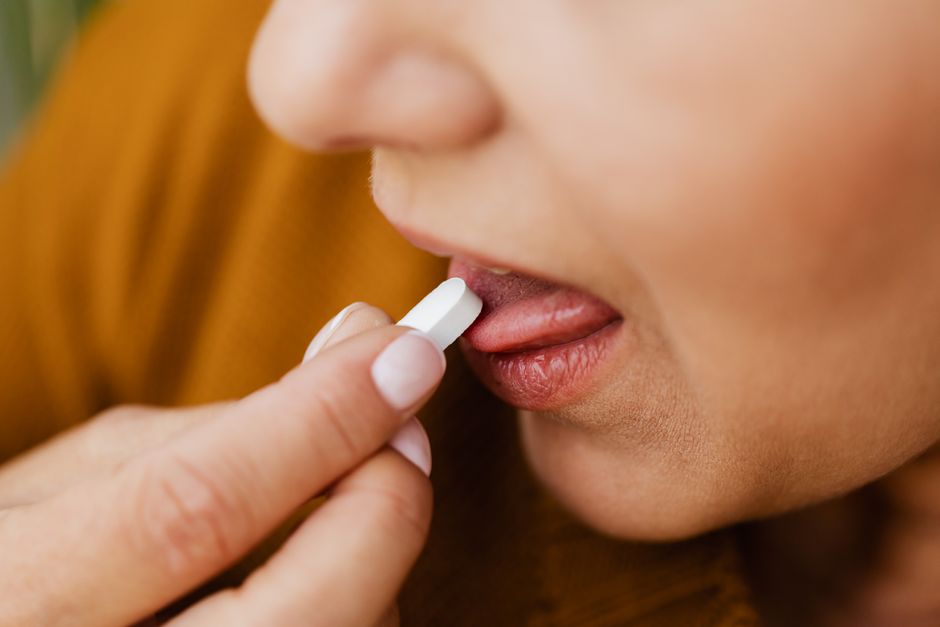
Mouth swab drug tests detect recent use, typically within the last 24 to 48 hours for most substances. Some drugs like THC can show up for a longer window, up to 72 hours in frequent users. These tests look for drug residue in your saliva, not in your system like urine or hair tests do. The detection window is short because drugs clear from saliva quickly once they leave your bloodstream.
How Do Mouth Swab Drug Tests Actually Work?
A mouth swab test collects saliva from the inside of your cheek using a cotton swab. The swab is placed in a collection device that screens for specific drug compounds. The whole process takes about five minutes and is done right in front of the person administering the test.
The lab or testing device looks for parent drugs — the original chemical you took — rather than the broken-down metabolites that urine tests target. This is why the detection window is shorter. Drugs enter saliva quickly through the bloodstream and also leave quickly. The CDC notes that oral fluid testing is becoming more common because it is harder to cheat than urine testing and less invasive than blood draws.
The test usually screens for five main drug classes: marijuana (THC), cocaine, opiates, amphetamines, and PCP. Some expanded panels also test for benzodiazepines and barbiturates. The specific cutoff levels vary by testing kit, but federal workplace guidelines set the standard at 50 nanograms per milliliter for most drugs.
How Far Do Mouth Swab Drug Test Go Back for Different Drugs?
The detection window depends heavily on the drug itself and how often you use it. For most substances, the window is short — measured in hours, not days or weeks. Here is what research published in the Journal of Analytical Toxicology shows for common drugs.
| Drug | Detection Window | Notes |
|---|---|---|
| THC (marijuana) | 1-72 hours | Longer for heavy daily users; shorter for occasional users |
| Cocaine | 24-48 hours | Detectable within minutes of use |
| Opiates (heroin, morphine) | 24-48 hours | Heroin breaks down quickly into morphine |
| Amphetamines | 24-48 hours | Includes methamphetamine and MDMA |
| Benzodiazepines | 24-72 hours | Longer for drugs like Valium with long half-lives |
| PCP | 24-72 hours | Can be detected up to 7 days in heavy users |
These windows are based on controlled studies with known doses. Real-world detection can vary based on your metabolism, your hydration level, and the sensitivity of the specific test used. But the general rule holds: mouth swabs catch recent use, not past use.
Does THC Detection Last Longer in Heavy Users?
Yes, and this is where the common understanding gets complicated. For someone who uses marijuana once or twice a week, a mouth swab will likely only detect THC within the first 24 hours. But for daily or multiple-times-daily users, the detection window can stretch to 72 hours or sometimes longer.
Research from the Substance Abuse and Mental Health Services Administration (SAMHSA) found that chronic heavy users had detectable THC in oral fluid for up to 72 hours after their last use. In some cases, trace amounts showed up at 96 hours. This happens because THC is fat-soluble and gets stored in body tissues. It slowly leaks back into the bloodstream and then into saliva at low levels over time.
This does not mean the test is inaccurate. It means the test reflects your use patterns accurately. A heavy user will have more THC in their system, and it takes longer to clear. The test is still measuring recent use — it is just that “recent” is longer for someone who uses frequently. If you use marijuana daily, a mouth swab could detect use from three days ago. For an occasional user, it will not.


What Can Mess With Mouth Swab Test Results?
Several factors can affect whether a mouth swab test returns a positive or negative result. Some of these are within your control, and some are not. Understanding them helps you interpret results honestly.
- Eating or drinking within 30 minutes before the test can reduce drug concentration in saliva. Rinsing your mouth with water has a similar effect. This does not clear drugs from your system — it just dilutes the sample.
- Mouthwash and oral products that contain alcohol can interfere with some testing kits. The alcohol can cause a false positive for alcohol itself, but not for other drugs.
- Prescription medications can sometimes cause false positives. For example, some antidepressants can trigger a positive for amphetamines. The lab should confirm positive results with a second, more specific test.
- Secondhand smoke is extremely unlikely to cause a positive result. Studies have shown that being in a room where someone is smoking marijuana does not produce detectable levels in your saliva unless you are in a sealed car with heavy smoke for hours.
- Mouth injuries or bleeding can introduce blood into the saliva sample, which may affect results. Test administrators are trained to look for visible blood and may ask for a new sample.
The takeaway is that mouth swab tests are generally reliable for detecting recent drug use. But no test is perfect. Confirmed positive results should always be verified with a second method, usually a lab-based test using mass spectrometry. This is standard practice in workplace testing programs regulated by the Department of Transportation.
How Do Mouth Swab Tests Compare to Urine and Hair Tests?
Each testing method has a different detection window, and they serve different purposes. Understanding the differences helps you know what each test can and cannot tell you.
Urine tests detect drug metabolites, which are the broken-down compounds your body produces after processing a drug. These stay in your system longer than the parent drug stays in your saliva. For most drugs, urine tests can detect use from the past 2-7 days. For THC in heavy users, urine tests can show positive for weeks or even months after last use. This makes urine tests better for detecting past use but worse for determining if someone is currently impaired.
Hair tests have the longest detection window — up to 90 days. They measure drug compounds that get trapped in hair as it grows. Hair tests are good for detecting patterns of use over months but cannot tell you if someone used a drug yesterday or last week. They are also expensive and take longer to process.
Mouth swab tests fill a specific gap. They detect very recent use, which makes them useful for situations where you need to know if someone is currently under the influence. Workplace post-accident testing, roadside impairment checks, and pre-employment screening for safety-sensitive jobs often use mouth swabs for this reason. The American Civil Liberties Union has noted that oral fluid testing is increasingly used in workplace drug testing programs because it is less invasive and harder to adulterate than urine tests.
What Common Misconceptions Exist About Mouth Swab Tests?
There is a lot of misinformation online about mouth swab tests. Some of it comes from people trying to beat the test, and some comes from misunderstanding how the tests work. Here are the most common myths and what the evidence actually shows.
Myth: Mouthwash or vinegar will clean your saliva. This is not true. Mouthwash might temporarily reduce drug levels in your saliva for a few minutes, but it does not remove drugs from your system. The test is looking for drugs that are in your saliva because they are in your bloodstream. Rinsing your mouth does not change what is in your blood. Research published in the Journal of Analytical Toxicology showed that mouthwash use before testing did not significantly change detection rates.
Myth: Drinking lots of water will flush drugs from your saliva. Hydration affects urine concentration, but it has minimal effect on saliva drug levels. Your salivary glands produce saliva at a relatively constant rate regardless of how much water you drink. Drinking water before a test might dilute your urine, but it will not meaningfully change your saliva composition.
Myth: Mouth swab tests are easy to cheat. This was true for older testing kits, but modern tests include built-in adulteration checks. The collection device has a volume indicator that shows if enough saliva was collected. Some tests also include a temperature sensor to confirm the sample is fresh. The Department of Transportation requires observed collection for oral fluid tests, meaning someone watches the swab go into your mouth.
Myth: You can pass a mouth swab test by waiting a few hours. This one has some truth to it but is oversimplified. For occasional users of drugs like cocaine or amphetamines, waiting 24-48 hours after use will likely result in a negative test. But for heavy users of THC, waiting 72 hours may still not be enough. The test is designed to catch recent use. If you used a drug within the detection window, waiting a few hours will not help.
What Should You Do If You Have an Upcoming Mouth Swab Test?
If you have a legitimate reason to take a mouth swab test — for a job, for legal reasons, or as part of a treatment program — the best approach is to be honest about your drug use. Trying to cheat the test is risky and often fails. Modern testing protocols are designed to detect tampering.
If you are concerned about a positive result because of prescription medications, tell the testing administrator before the test. Bring documentation of your prescriptions. Most testing programs have a medical review officer who will contact you about any positive result and ask about prescriptions. This is standard procedure in workplace testing programs regulated by the Department of Transportation.
The detection window for mouth swab tests is short for most drugs. If you have not used anything in the past 48-72 hours, you will likely test negative. But if you have used recently, the test will probably catch it. The science is straightforward: what is in your blood ends up in your saliva within minutes. There is no way around that.
Frequently Asked Questions
Can mouth swab tests detect drug use from a week ago?
No, mouth swab tests cannot detect drug use from a week ago for most substances. The detection window is typically 24-72 hours depending on the drug and frequency of use.
Do mouth swab tests detect alcohol use?
Some mouth swab tests can detect alcohol use within the past 12-24 hours. These tests look for ethyl glucuronide, a direct metabolite of alcohol, in saliva.
Can you refuse a mouth swab drug test?
You can refuse a mouth swab test, but there may be consequences depending on the situation. For workplace testing, refusal is often treated as a positive result and can lead to termination or loss of employment.
Are mouth swab tests accurate for prescription medications?
Mouth swab tests can detect prescription medications like benzodiazepines and amphetamines. If you take these medications as prescribed, inform the testing administrator to avoid a false positive result.
