
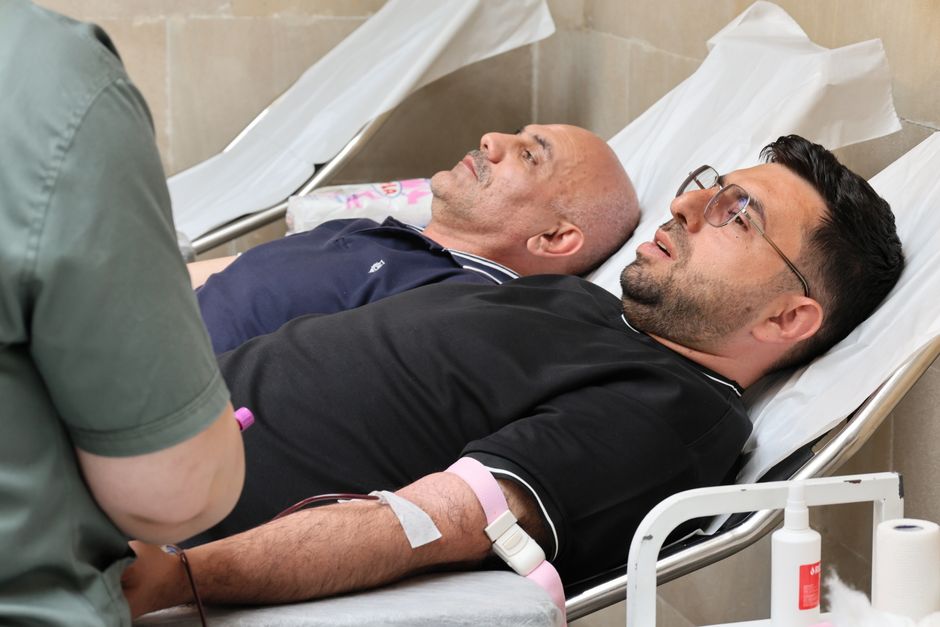
Erythropoietin treatment works by directly stimulating your bone marrow to produce more red blood cells. This hormone, often called EPO, acts as a chemical messenger that tells your body to replace red blood cells that are lost or in short supply. For people with certain types of anemia, this treatment can restore energy levels, improve oxygen delivery to tissues, and reduce the need for blood transfusions.
What Is Erythropoietin and Where Does It Come From?
Erythropoietin is a hormone that your kidneys produce naturally. When your body detects low oxygen levels in the blood, the kidneys release EPO into the bloodstream. This hormone travels to the bone marrow, where it binds to specific receptors on red blood cell precursor cells.
Once EPO binds to these receptors, it triggers a chain of events. The bone marrow cells are signaled to survive, multiply, and mature into fully functional red blood cells. This process takes several days. The new red blood cells then enter circulation and carry oxygen to tissues throughout the body.
The synthetic versions of erythropoietin are called erythropoiesis-stimulating agents (ESAs). These are manufactured in a laboratory and work the same way as the natural hormone. Common examples include epoetin alfa and darbepoetin alfa.
How Erythropoietin Treatment Works For Anemia?
Anemia means your blood has fewer red blood cells than normal, or the red blood cells you have do not carry enough hemoglobin. Hemoglobin is the protein inside red blood cells that actually binds to oxygen. When red blood cell counts drop, your tissues receive less oxygen, which causes fatigue, weakness, and shortness of breath.
Erythropoietin treatment corrects this problem at its source. By delivering a synthetic version of the hormone, the treatment forces the bone marrow to ramp up red blood cell production. The result is a gradual increase in hemoglobin levels over several weeks.
The treatment does not work for every type of anemia. It only helps when the bone marrow is capable of producing red blood cells but is not getting enough EPO stimulation. For anemia caused by nutritional deficiencies, like iron or vitamin B12 deficiency, EPO treatment alone will not fix the problem.
Who Is a Candidate for Erythropoietin Treatment?
Erythropoietin treatment is primarily used for specific medical conditions. The most common candidates include:
- People with chronic kidney disease whose kidneys no longer produce enough natural EPO
- People receiving chemotherapy who develop anemia as a side effect of treatment
- People with HIV who take certain antiviral medications that suppress bone marrow function
- People with anemia caused by chronic inflammatory conditions or certain blood disorders
Chronic kidney disease is the most common reason for EPO treatment. Healthy kidneys produce about 90 percent of the body’s natural erythropoietin. When kidney function declines, EPO production falls. This leads to anemia even when the bone marrow is otherwise healthy.
Before starting treatment, doctors typically check iron levels. If iron stores are low, EPO treatment will not work effectively because iron is a required building block for hemoglobin. Many patients need iron supplementation alongside EPO therapy.





How Is Erythropoietin Administered?
Erythropoietin cannot be taken as a pill. The medication is a protein, and digestive enzymes would break it down before it could reach the bloodstream. It is given by injection under the skin or into a vein.
The frequency of injections depends on the specific medication and the patient’s condition. Some ESAs are given two to three times per week. Others are designed to last longer in the body and require only one injection per week or every two weeks.
Dosing is individualized. Doctors monitor hemoglobin levels regularly and adjust the dose to keep hemoglobin in a target range. The goal is to reduce the need for blood transfusions while avoiding excessive red blood cell production.
What Are the Risks and Side Effects?
Erythropoietin treatment carries real risks that require careful monitoring. The most serious concern is an increased risk of blood clots, heart attack, and stroke. These risks are higher when hemoglobin levels are pushed too high.
For this reason, doctors do not aim for normal hemoglobin levels in every patient. The target is usually the lowest hemoglobin level that reduces transfusion needs. This approach minimizes cardiovascular risks while still providing benefit.
Other potential side effects include:
- High blood pressure, which may worsen during treatment
- Headaches and flu-like symptoms shortly after injection
- Injection site pain or redness
- Rare cases of pure red cell aplasia, a condition where the immune system attacks red blood cell precursors
Pure red cell aplasia is extremely rare but serious. It occurs when the body develops antibodies against both the injected EPO and its own natural EPO. This condition causes severe anemia and requires immediate discontinuation of treatment.
How Long Does Treatment Take to Work?
Erythropoietin treatment does not produce immediate results. Red blood cell production takes time. Most patients see a meaningful increase in hemoglobin levels within two to six weeks of starting treatment.
The full effect is usually seen by eight to twelve weeks. If hemoglobin levels have not improved adequately by this point, the doctor will investigate other causes of anemia. Common reasons for poor response include iron deficiency, ongoing inflammation, or an incorrect diagnosis.
Treatment is often long-term for people with chronic kidney disease. The underlying kidney dysfunction does not resolve, so ongoing EPO support is needed to maintain adequate red blood cell levels.
What Are the Alternatives to Erythropoietin Treatment?
Blood transfusions are the main alternative for severe anemia. Transfusions provide immediate relief by delivering ready-made red blood cells directly into the bloodstream. However, transfusions carry risks of allergic reactions, infections, and iron overload with repeated use.
Addressing the underlying cause of anemia is always the first step. For example:
- Iron deficiency anemia is treated with iron supplements
- Vitamin B12 deficiency is treated with B12 injections or supplements
- Anemia from active bleeding requires stopping the source of blood loss
Some newer medications called hypoxia-inducible factor prolyl hydroxylase inhibitors are being used for anemia in chronic kidney disease. These oral medications stimulate the body’s natural EPO production rather than delivering synthetic EPO directly. They are a treatment option in some regions but are not appropriate for everyone.
What Should You Discuss With Your Doctor?
If your doctor recommends erythropoietin treatment, ask specific questions before starting. Understanding the expected timeline, monitoring schedule, and potential risks helps you make an informed decision.
Key questions to ask include:
- What hemoglobin level are you targeting for me?
- How often will my blood be tested?
- Do I need iron supplements alongside this treatment?
- What symptoms of blood clots or other complications should I watch for?
- How long will I need to continue this treatment?
Erythropoietin treatment is a powerful tool for managing anemia, but it is not a one-size-fits-all solution. It requires careful medical supervision, regular blood tests, and honest communication about how you are feeling. When used appropriately, it can significantly improve quality of life for people with chronic anemia.
Frequently Asked Questions
How long does erythropoietin take to raise hemoglobin?
Most patients see a meaningful increase in hemoglobin within two to six weeks of starting treatment. The full effect typically appears by eight to twelve weeks.
Can erythropoietin cure all types of anemia?
No, erythropoietin only works for anemia caused by insufficient EPO production, such as chronic kidney disease or chemotherapy-related anemia. It does not treat anemia from iron deficiency, vitamin B12 deficiency, or bleeding.
Is erythropoietin treatment safe for long-term use?
Long-term use is common for chronic kidney disease patients, but it requires careful monitoring. The main risks are blood clots, heart attack, and stroke, especially if hemoglobin levels are pushed too high.
Why do some patients need iron supplements with erythropoietin?
Iron is a required building block for hemoglobin production. If iron stores are low, the bone marrow cannot make red blood cells even with strong EPO stimulation.
