
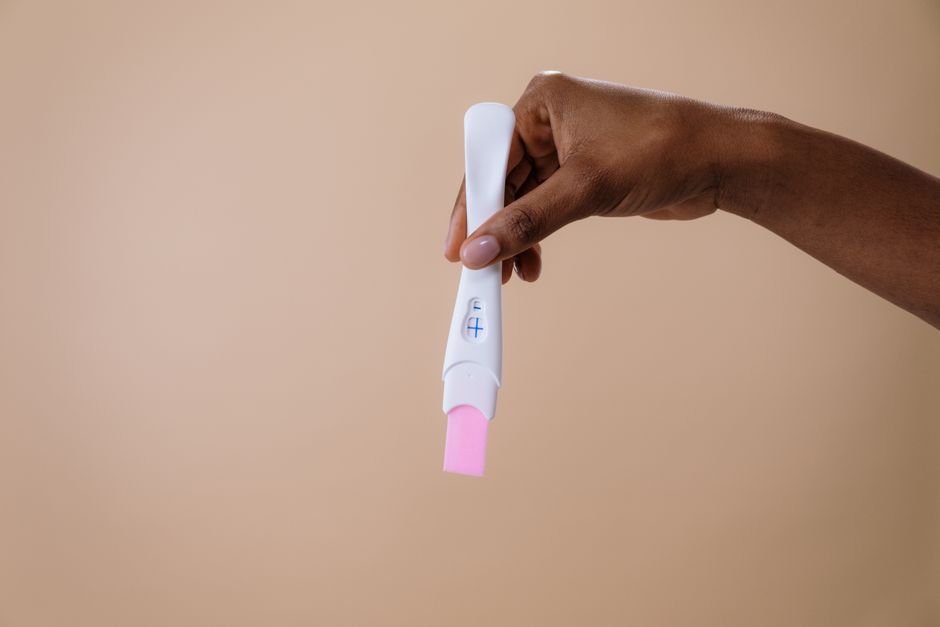
Pregnancy symptoms can begin as early as one week after conception, though most women first notice them around the time of a missed period, which is typically two weeks after conception. The earliest signs — such as light spotting, breast tenderness, and fatigue — appear when a fertilized egg implants in the uterus, usually 6 to 12 days after ovulation. Every pregnancy is different, so some women feel changes within days while others notice nothing for weeks.
What Happens in Your Body Before Symptoms Appear
Understanding the timeline helps explain why symptoms start when they do. Conception occurs when sperm meets egg in the fallopian tube. The fertilized egg then travels toward the uterus over the next several days.
Implantation happens about 6 to 12 days after ovulation. This is when the embryo attaches to the uterine lining. Once implanted, the body begins producing human chorionic gonadotropin (hCG), the pregnancy hormone. Rising hCG levels trigger most early pregnancy symptoms.
Before implantation, there is no pregnancy hormone in your system. Any symptoms you feel before day 6 post-ovulation are not caused by pregnancy itself. They may come from normal hormonal changes in your cycle.
How Early Can You Feel Pregnancy Symptoms: The Timeline
The most reliable early symptom timeline starts with implantation. Here is what typically happens week by week, counting from the first day of your last menstrual period:
- Week 1-2: No pregnancy symptoms possible. You have not ovulated yet.
- Week 3 (about 1 week after conception): Implantation may occur. Some women notice light spotting or mild cramping. Breast tenderness can begin as hormone levels rise.
- Week 4 (about 2 weeks after conception): This is when your period would normally arrive. Missed period, fatigue, nausea, and frequent urination often start now.
- Week 5-6: Symptoms typically intensify. Nausea, food aversions, and mood changes become more noticeable for many women.
Most home pregnancy tests can detect hCG in urine around the time of your missed period. Testing earlier than that may give a false negative because hCG levels are still too low.
The Earliest Physical Signs Some Women Notice
Certain symptoms can appear before a missed period. These occur because progesterone and estrogen levels shift rapidly after implantation.
Implantation bleeding is light spotting that happens when the embryo burrows into the uterine lining. It is usually pink or light brown, lasts a few hours to two days, and is much lighter than a normal period. Only about 25 to 30 percent of pregnant women experience this.
Breast changes are often the first noticeable sign. Swelling, tenderness, or tingling in the breasts can begin within days after implantation. This happens because rising hormone levels increase blood flow and fluid retention in breast tissue.
Fatigue can hit suddenly and early. High progesterone levels act as a natural sedative. Some women report feeling exhausted by week 3 or 4, even before confirming pregnancy.
Mild cramping similar to period cramps can occur during implantation. The difference is timing — implantation cramps typically happen a few days before your period is due, not right before it.



Which Symptoms Appear First and Which Come Later
Symptoms do not all arrive at once. The order matters for understanding what you are feeling.
Breast tenderness and fatigue typically appear first, often within days of implantation. Nausea usually follows around week 5 or 6, when hCG levels peak. Only about half of pregnant women experience significant morning sickness, despite it being the most famous symptom.
Frequent urination starts later, usually in the second month. The growing uterus presses on your bladder, and increased blood volume makes your kidneys produce more urine.
Food aversions and heightened smell sensitivity often develop alongside nausea. Many women report suddenly disliking coffee, meat, or foods they normally enjoy. These sensitivities usually fade after the first trimester.
Why Some Women Feel Symptoms Earlier Than Others
Several factors influence how early you notice changes. None of them indicate whether your pregnancy is healthy or not.
Sensitivity to hormones varies widely. Some women are highly attuned to hormonal shifts and notice subtle changes within days. Others have irregular cycles or mild premenstrual symptoms, making early pregnancy signs harder to distinguish.
Number of previous pregnancies matters. Women who have been pregnant before often recognize symptoms earlier because they know what to look for. First-time mothers may dismiss early signs as PMS or normal cycle variation.
PMS similarity creates confusion. Premenstrual syndrome and early pregnancy share many symptoms — breast tenderness, bloating, cramping, and mood swings. Both are driven by progesterone. The key difference is timing and persistence. PMS symptoms resolve when your period starts. Pregnancy symptoms continue and often intensify.
When a Missed Period Is the Only Sign
Many women have no symptoms at all before a missed period. This is completely normal. Studies suggest that about one in three pregnant women notices nothing unusual until week 6 or later.
A missed period remains the most reliable early indicator. If your cycle is regular and your period is more than a few days late, take a home pregnancy test. If the test is negative but your period still has not arrived, wait three to five days and test again. HCG levels double roughly every 48 hours in early pregnancy, so a later test is more accurate.
Some women experience what is called a “chemical pregnancy” — a very early miscarriage that happens shortly after implantation. Symptoms may briefly appear, then fade as the pregnancy ends. This is more common than most people realize and does not indicate a problem with future fertility.
Can You Feel Pregnancy Before Implantation?
No. Before implantation, your body has no way of knowing pregnancy has occurred. The embryo is still traveling through the fallopian tube, and no pregnancy hormones are circulating in your blood.
Some women report “knowing” they are pregnant immediately after conception. This is not supported by medical evidence. Any symptoms felt in the first few days after sex are unrelated to pregnancy — they are either normal cycle changes or psychological responses to the possibility of pregnancy.
Ovulation itself can cause mild cramping and spotting. If you are tracking your cycle closely, you may notice these signs and mistakenly attribute them to pregnancy. The only accurate way to confirm pregnancy before a missed period is a sensitive blood test, which can detect hCG about 8 to 10 days after ovulation.
What Does Not Count as an Early Symptom
Popular culture and internet forums circulate many supposed early signs that have no medical basis. These include vivid dreams, changes in skin appearance, and sudden food cravings. No research confirms these as reliable early indicators.
Mood swings alone are not a useful sign. Progesterone affects mood in both PMS and early pregnancy, so emotional changes cannot distinguish between the two. Similarly, bloating and constipation are common in both conditions.
An elevated basal body temperature that stays high past your expected period is one of the few measurable early signs. After ovulation, temperature rises about 0.5 to 1 degree Fahrenheit and typically drops when your period arrives. If it stays elevated for more than 18 days, pregnancy is highly likely.
When to Take a Pregnancy Test
Testing too early wastes money and creates unnecessary anxiety. The best time to test is the first day of your missed period. At this point, home tests are about 99 percent accurate.
If you have irregular periods, wait at least 14 days after you think you ovulated. Testing before then may produce a false negative because hCG levels have not risen enough for the test to detect.
For the most accurate result, test first thing in the morning. Your urine is most concentrated then, and hCG levels are easiest to detect. If you test later in the day, avoid drinking large amounts of fluid beforehand, as this can dilute your urine.
Frequently Asked Questions
Can you feel pregnancy symptoms 3 days after conception?
No, symptoms cannot begin this early because implantation has not occurred yet. The embryo is still traveling toward the uterus, and no pregnancy hormones are circulating.
What is the very first sign of pregnancy?
Breast tenderness and fatigue are often the first noticeable signs, typically appearing about one week after conception. Implantation bleeding occurs in some women around the same time.
How soon after implantation do symptoms start?
Symptoms can begin within days of implantation, which happens 6 to 12 days after ovulation. Rising hCG and progesterone levels trigger breast changes, fatigue, and mild cramping.
Can you be pregnant and have no symptoms before a missed period?
Yes, this is common. About one in three pregnant women notices no symptoms until week 6 or later, and some have very mild symptoms throughout the first trimester.
