
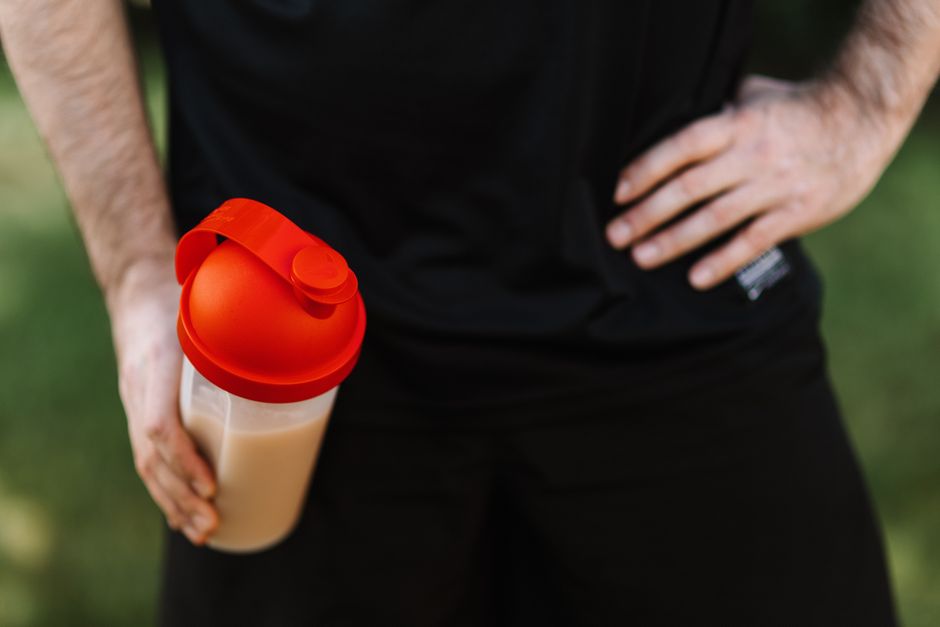
Protein is one of the three macronutrients your body needs in large amounts, alongside carbohydrates and fat. It is made of building blocks called amino acids, and nearly every cell in your body contains some. Your body uses protein to build and repair tissue, make enzymes and hormones, and support immune function. It is not just for building muscle — it is essential for basic survival and everyday function.
What Does Protein Actually Do in the Body?
Protein does many jobs at once. It is structural, meaning it builds things. It is also functional, meaning it helps your body do things.
Your muscles, skin, hair, and nails are mostly protein. When you cut your skin or strain a muscle, your body uses protein to rebuild that tissue. This repair process happens constantly, not just after exercise.
Protein also forms enzymes. Enzymes are proteins that speed up chemical reactions in your body. Digestion, energy production, and hundreds of other processes depend on them.
Some proteins act as hormones. Insulin, which controls blood sugar, is a protein. So are several other hormones that regulate metabolism and growth.
Your immune system relies on protein too. Antibodies are proteins that identify and neutralize bacteria and viruses. Without enough protein, your body struggles to fight off infections.
How Does Protein Help the Body Build and Maintain Muscle?
Muscle tissue is in a constant state of breakdown and rebuilding. When you eat protein, your body breaks it into amino acids. Those amino acids are then used to repair and build new muscle protein.
Resistance training increases the rate of muscle protein synthesis — the process of building new muscle. Eating protein after exercise provides the raw materials for that process. This is why athletes and older adults both pay close attention to protein intake.
For most healthy adults, research suggests that spreading protein intake across the day supports muscle maintenance better than eating most of it in one meal. A common approach is roughly 20 to 40 grams of protein per meal, though individual needs vary.
As you age, muscle loss becomes a real concern. This condition is called sarcopenia. Adequate protein intake, combined with physical activity, helps slow this age-related decline.
How Does Protein Help the Body Control Weight and Appetite?
Protein affects hunger hormones. It reduces levels of ghrelin, the hormone that makes you feel hungry. It also increases levels of peptide YY, a hormone that makes you feel full.
This is why a high-protein meal often keeps you satisfied longer than a meal high in carbohydrates. You feel full sooner and stay full longer, which can lead to eating fewer calories overall.
Protein also requires more energy to digest than carbohydrates or fat. This is called the thermic effect of food. Your body burns more calories processing protein than it does processing other nutrients.
When you lose weight, you lose both fat and muscle. Higher protein intake during weight loss helps preserve muscle mass. This matters because muscle tissue burns more calories at rest than fat tissue does.
None of this means a high-protein diet is a magic weight loss solution. It is a tool that makes eating fewer calories easier for many people. Weight loss still requires an overall calorie deficit.



How Much Protein Do You Really Need?
The Recommended Dietary Allowance for protein is 0.8 grams per kilogram of body weight per day for adults. That works out to about 0.36 grams per pound. For a 150-pound person, that is about 54 grams of protein daily.
That number is the minimum needed to prevent deficiency. It is not necessarily the optimal amount for everyone.
More active people need more protein. Research suggests that people who exercise regularly may benefit from 1.2 to 2.0 grams per kilogram of body weight daily. That range depends on the type and intensity of training.
Older adults also appear to benefit from higher protein intake. Some research suggests that people over 65 may need more than the standard RDA to preserve muscle and bone health.
Pregnant and breastfeeding women have higher protein needs as well. So do people recovering from surgery or serious illness.
Most Americans already eat more protein than the minimum requirement. The question for most people is not whether they get enough, but whether they are getting the right amount for their specific goals and activity level.
What Are the Best Sources of Protein?
Protein comes from both animal and plant sources. Each has advantages.
Animal proteins — meat, poultry, fish, eggs, and dairy — are called complete proteins. They contain all nine essential amino acids your body cannot make on its own.
Most plant proteins are incomplete. They lack one or more essential amino acids. However, this is not a problem if you eat a varied diet. Eating rice and beans together, for example, provides all the essential amino acids.
Soy is an exception. It is a plant protein that is complete, meaning it contains all nine essential amino acids.
Good plant protein sources include:
- Lentils and beans
- Chickpeas
- Tofu and tempeh
- Quinoa
- Nuts and seeds
- Peas and edamame
Processed protein products like protein bars and shakes can be convenient, but they are not necessary. Whole food sources provide protein along with other nutrients like iron, zinc, and B vitamins.
Can You Eat Too Much Protein?
For healthy people with normal kidney function, high protein intake is generally safe. The body can handle more protein than most people eat.
There is a persistent myth that high protein damages kidneys. This is not supported by evidence in healthy individuals. However, people with existing kidney disease need to be careful. Damaged kidneys may struggle to filter the waste products of protein metabolism.
If you have kidney disease, diabetes, or any chronic condition, talk to your doctor before significantly increasing your protein intake.
Very high protein diets can cause digestive discomfort in some people. Constipation or diarrhea can occur, especially if fiber intake drops at the same time.
Weight gain is possible if you eat more protein than your body needs. Excess protein calories are stored as fat, just like excess calories from any source.
Protein and Bone Health
There is an old belief that protein, especially animal protein, leaches calcium from bones. This idea has largely been disproven.
Current evidence suggests that adequate protein intake actually supports bone health. Bones are not just calcium — they contain a protein matrix that gives them structure.
Protein works alongside calcium and vitamin D to maintain bone density. Low protein intake is associated with weaker bones, particularly in older adults.
This matters because bone loss over time increases fracture risk. Maintaining adequate protein intake through middle age and beyond is one part of a bone-health strategy.
Protein Timing: Does It Matter When You Eat It?
Total daily protein intake matters more than exact timing for most people. Eating enough protein over the course of a day is the priority.
For athletes and people doing intense training, some research suggests that eating protein within a few hours after exercise supports muscle recovery. The concept of an exact “anabolic window” of 30 minutes is oversimplified.
Spreading protein evenly across meals appears helpful. Many people eat very little protein at breakfast and a lot at dinner. Distributing it more evenly may support muscle maintenance better.
Eating protein at breakfast also helps with appetite control throughout the day. A protein-rich breakfast tends to reduce cravings later compared to a carbohydrate-heavy one.
Protein Supplements: Do You Need Them?
Protein powders and shakes are popular, but they are not required for most people. Whole foods can meet your protein needs.
Supplements can be useful in specific situations. People who struggle to eat enough whole food protein, older adults with poor appetite, or athletes who need convenient post-workout nutrition may benefit.
Whey protein is a common supplement. It is derived from milk and digests quickly. Casein, also from milk, digests more slowly. Plant-based options like pea and rice protein are available for people who avoid dairy.
Protein supplements are regulated as foods, not drugs. Quality varies between brands. Third-party testing can help verify that a product contains what its label claims.
For most people, spending money on protein supplements is optional. A balanced diet provides sufficient protein without them.
Signs You Might Not Be Getting Enough Protein
Severe protein deficiency is rare in developed countries, but marginal intake does happen. Certain groups are at higher risk.
Older adults, people on restrictive diets, and those with certain digestive conditions may not absorb enough protein. People recovering from major illness or surgery have increased needs.
Possible signs of low protein intake include:
- Muscle weakness or loss
- Slow wound healing
- Frequent infections
- Thinning hair or brittle nails
- Swelling in the legs, feet, or hands
These symptoms can have many causes. They are not proof of protein deficiency. If you have persistent symptoms like these, see a healthcare provider for proper evaluation.
Frequently Asked Questions
How does protein help the body repair itself?
Protein provides amino acids that your body uses to rebuild damaged cells and tissue. This repair process happens constantly — after injury, after exercise, and during normal daily wear and tear.
What happens if you eat too little protein?
Your body breaks down its own muscle tissue to get the amino acids it needs. Over time this leads to muscle loss, weakness, and impaired immune function.
Is plant protein as good as animal protein?
Yes, if you eat a varied diet that provides all essential amino acids. Most plant proteins lack one or more essential amino acids, but combining different plant sources solves this problem.
How much protein should I eat in one meal?
Most healthy adults do well with roughly 20 to 40 grams per meal, depending on body size and activity level. Total daily intake matters more than any single meal.
