
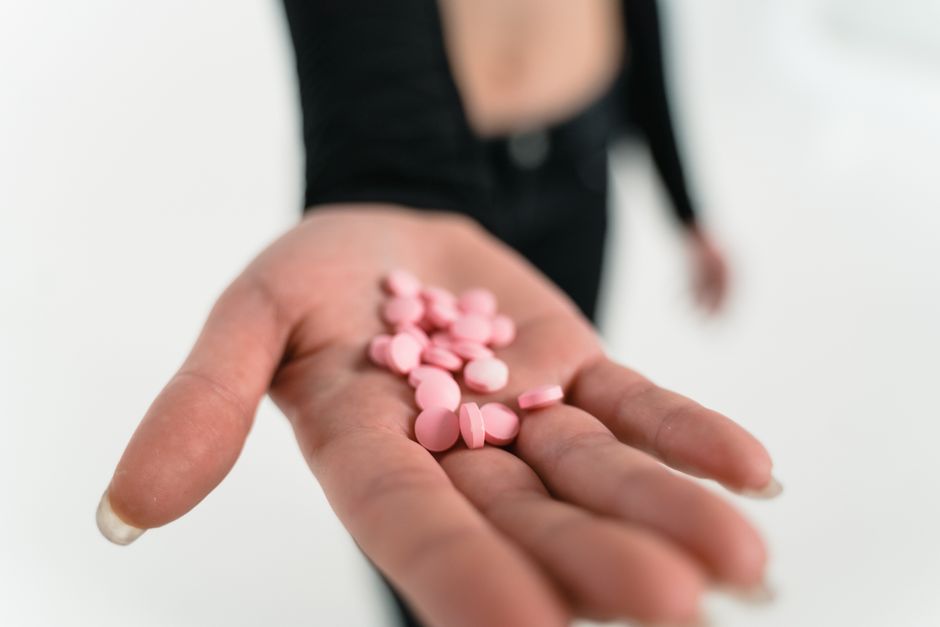
Molly, also known as MDMA, is a synthetic drug that changes how your brain works. Most people who take it report feeling a strong rush of happiness, emotional closeness to others, and a heightened sense of touch and sound. These feelings usually last three to six hours, but the experience can vary widely based on dose, setting, and the person’s mental state.
What Does the Molly Experience Actually Feel Like?
The short answer is that Molly produces intense feelings of euphoria, empathy, and sensory enhancement. Users often describe it as a wave of warmth and love that washes over them. They feel unusually connected to people around them, even strangers.
Research published in the journal Psychopharmacology has mapped these effects into three main phases. The first hour is a “come-up” where energy builds and anxiety may spike briefly. The next two to three hours are the peak, marked by elevated mood and emotional openness. The final hours involve a gradual comedown where the positive feelings fade and fatigue sets in.
Physically, people often feel a mild buzzing or tingling sensation across their skin. Their pupils dilate, jaw muscles tighten, and heart rate increases. These physical signs are part of how the drug works, not side effects that only happen to some people.
How Does Molly Drug Make You Feel Emotionally?
Molly causes a dramatic release of serotonin, dopamine, and norepinephrine in the brain. Serotonin is the main driver of the emotional effects. It creates feelings of well-being, trust, and reduced fear. This is why people often feel safe sharing personal thoughts or expressing affection while on the drug.
The emotional effect is not just happiness. It is a specific kind of openness. A study from the University of Chicago found that MDMA lowered the brain’s response to threatening facial expressions. People became less sensitive to anger or fear in others. This explains why users report feeling unusually trusting and empathetic.
It is important to understand that this emotional state is temporary. The brain cannot sustain high serotonin levels. Once the drug wears off, many people experience a sharp emotional drop. This comedown can include irritability, sadness, or anxiety that lasts a day or two.
What Are the Physical Sensations of Taking Molly?
The physical effects of Molly are as distinct as the emotional ones. Most users report increased energy and a feeling of restlessness. They may want to move, dance, or talk constantly. The drug also heightens sensory perception. Music sounds richer, colors look brighter, and touch feels more intense.
Body temperature rises. This is a well-documented effect. The National Institute on Drug Abuse notes that MDMA can raise body temperature to dangerous levels, especially in hot environments like clubs or festivals. Dehydration is a real risk, but drinking too much water too fast is also dangerous because the drug affects the body’s ability to regulate fluid balance.
Jaw clenching and teeth grinding are nearly universal. Some people chew gum or use pacifiers to manage this. Nausea can occur during the come-up phase but usually passes within 30 minutes. Blurred vision and dizziness are less common but can happen at higher doses.
How Long Does the Molly High Last and What Comes After?
The acute effects of Molly last between three and six hours for most people. The come-up begins 20 to 60 minutes after taking the drug. The peak lasts roughly two to three hours. The comedown takes another one to two hours.
After the drug wears off, many people enter a “crash” period. This is not the same for everyone. Some people feel mild fatigue and moodiness. Others report significant depression, anxiety, and trouble sleeping for several days. Research from the University of Cambridge shows that frequent users may experience longer and more intense crashes because their serotonin system becomes depleted over time.
A key point often missed in online discussions is that the crash is not just psychological. It has measurable biological effects. Blood tests after MDMA use show reduced serotonin transporter activity for up to two weeks. This means the brain is literally recovering its chemical balance, not just “feeling sad.”
How Does Molly Compare to Other Drugs?
People often ask how Molly compares to other substances. The table below summarizes the key differences in how each drug affects the user.
| Drug | Primary Feeling | Duration | Key Risk |
|---|---|---|---|
| Molly (MDMA) | Euphoria, empathy, sensory heightening | 3–6 hours | Overheating, serotonin depletion |
| LSD | Visual hallucinations, altered perception | 8–12 hours | Bad trips, panic |
| Cocaine | Intense energy, confidence, alertness | 15–30 minutes | Heart attack, addiction |
| Methamphetamine | Intense rush, hyperactivity, paranoia | 6–12 hours | Severe addiction, psychosis |
Molly is unique in how strongly it affects emotional bonding. No other common recreational drug produces the same level of empathy and social closeness. This is why it is sometimes called the “hug drug.” But this same effect also makes it easier for users to make poor decisions about sex or personal safety while under the influence.
What Are the Common Misconceptions About Molly?
One widespread myth is that Molly is pure and safe because it comes in crystal form. This is false. The Drug Enforcement Administration reports that many samples sold as Molly contain other substances like bath salts, synthetic cathinones, or even methamphetamine. You cannot tell what is in a capsule or powder by looking at it.
Another misconception is that taking Molly is harmless because it is not physically addictive like heroin or alcohol. While MDMA does not cause the same physical withdrawal, it can produce psychological dependence. People who use it regularly often find they need larger doses to get the same effect. This is called tolerance, and it increases the risk of toxic reactions.
A third myth is that drinking water prevents all harm from Molly. Drinking too much water while on MDMA can cause hyponatremia, a dangerous drop in blood sodium levels. This has caused deaths. The correct advice is to sip water slowly, not chug it, and to avoid alcohol which worsens dehydration.
What Should You Know About Molly and Long-Term Brain Health?
The long-term effects of Molly are still being studied, but the evidence so far is concerning. Regular use over months or years has been linked to memory problems, difficulty concentrating, and mood disorders. A study from the Johns Hopkins University School of Medicine found that heavy MDMA users performed worse on tests of verbal memory compared to non-users.
Brain imaging studies show changes in the serotonin system of frequent users. Some of these changes may be reversible if the person stops using the drug. But for long-term heavy users, the damage may be lasting. The exact threshold is not known, which is why researchers avoid giving a “safe” number of uses.
It is also worth noting that Molly is not regulated or tested for purity. Every batch is different. This means the effects and risks change every time a person uses it. What someone felt last time may not be what they feel next time, even from the same dealer.
Frequently Asked Questions
How long does it take to feel Molly?
Most people feel the first effects within 20 to 60 minutes after taking it. The come-up can feel intense and sometimes causes brief anxiety or nausea.
Can Molly make you feel anxious or paranoid?
Yes, some people experience anxiety, confusion, or paranoia, especially if they take a high dose or are in an uncomfortable setting. This is less common than euphoria but still happens.
Does Molly make you hallucinate?
Molly is not a classic hallucinogen like LSD, but some people report mild visual distortions or heightened sensory perception. True hallucinations are rare at typical doses.
How does Molly feel different from ecstasy?
Molly is supposed to be pure MDMA in powder or crystal form, while ecstasy is usually a pill that may contain other drugs. In practice, both often contain adulterants, so the effects can be unpredictable.
