
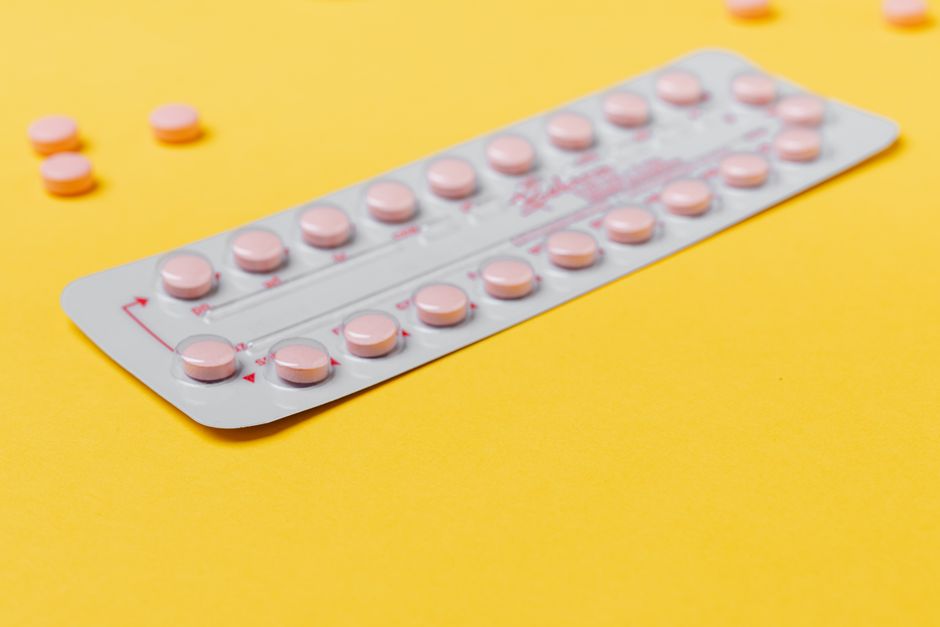
Emergency contraception reduces pregnancy risk by delaying or preventing ovulation, so sperm have no egg to fertilize. If ovulation has already happened, these methods generally cannot stop a pregnancy that has begun. That single fact explains most of what emergency contraception can and cannot do.
There are two main types of emergency contraception available in the United States: pills containing levonorgestrel, and a pill containing ulipristal acetate. A copper intrauterine device (IUD) is the most effective option, but it requires a clinic visit and a trained provider to place it. How well each option works depends heavily on where a person is in their menstrual cycle when they take it.
How Does Emergency Contraception Reduce Pregnancy Risk?
The primary mechanism is ovulation delay. Levonorgestrel and ulipristal acetate both work by acting on the hormonal signals that trigger the release of an egg from the ovary. When those signals are disrupted, ovulation is pushed back by several days. Sperm can survive in the reproductive tract for up to about five days. If ovulation is delayed long enough for sperm to die off, fertilization cannot occur.
This is why timing within the cycle matters so much. If a person takes emergency contraception before the luteinizing hormone (LH) surge that precedes ovulation, the drug has the best chance of working. If the LH surge has already started, levonorgestrel becomes much less effective. Ulipristal acetate retains some effectiveness later in the cycle than levonorgestrel, though it too has limits.
The copper IUD works differently. Copper is toxic to sperm and to the egg, and it creates an inflammatory response in the uterus that prevents fertilization. It is the only form of emergency contraception that may also prevent a fertilized egg from implanting in the uterine lining, though researchers continue to study exactly how much this contributes to its overall effect.
What emergency contraception does not do is cause an abortion. Levonorgestrel and ulipristal acetate do not interrupt an established pregnancy. If a fertilized egg has already implanted, these pills will not end it. This distinction is well established in the medical literature and is reflected in how these products are regulated and labeled.
How Effective Is Emergency Contraception?
Effectiveness depends on the method, how quickly it is taken, and where the person is in their cycle. No method is 100 percent effective.
Levonorgestrel is most effective when taken as soon as possible after unprotected sex, and its effectiveness declines as time passes. It is generally taken within 72 hours, though some research suggests it retains some effect up to 120 hours. The World Health Organization and other public health bodies note that the sooner it is taken, the better it works.
Ulipristal acetate is taken as a single dose within 120 hours of unprotected sex. Studies have generally found it to be somewhat more effective than levonorgestrel, particularly when taken between 72 and 120 hours after sex. The difference is modest but consistent across several trials.
The copper IUD is the most effective form of emergency contraception. It can be inserted up to five days after unprotected sex, and some guidance extends that window if the timing of ovulation can be estimated. Its failure rate is very low compared with oral methods.
One important limitation: emergency contraception pills are less effective in people with a higher body weight. The evidence here is not fully settled, and different regulatory agencies have taken different positions. The Food and Drug Administration has noted reduced effectiveness of levonorgestrel in people with higher body mass index, while the European Medicines Agency has taken a somewhat different view. The copper IUD does not appear to have this limitation.
Which Emergency Contraception Option Is Right for You?
The best option is the one that is available and can be taken soonest. That said, there are real differences between methods that are worth understanding.
| Method | Time Window | How It Works | Key Consideration |
|---|---|---|---|
| Levonorgestrel pill | Up to 72 hours (some effect to 120 hours) | Delays ovulation | Less effective after LH surge; reduced effectiveness at higher body weight |
| Ulipristal acetate pill | Up to 120 hours | Delays ovulation | Somewhat more effective than levonorgestrel, especially at 72–120 hours |
| Copper IUD | Up to 5 days | Prevents fertilization; possibly prevents implantation | Most effective; requires clinic visit and provider |
Levonorgestrel is available over the counter without a prescription and without age restrictions. Ulipristal acetate requires a prescription. The copper IUD must be placed by a healthcare provider.
If a person is already using a hormonal contraceptive and misses pills or has a method failure, emergency contraception may still be appropriate. The interaction between ongoing hormonal contraception and emergency contraception pills is a topic some clinicians consider, particularly with ulipristal acetate, which can interact with progestin-containing contraceptives. This is a conversation worth having with a pharmacist or clinician.





What Are the Side Effects and Risks?
Side effects of emergency contraception pills are generally temporary and not dangerous. They include nausea, headache, fatigue, and changes in the timing of the next menstrual period. Some people vomit after taking the pill, which can reduce absorption and may require taking another dose.
The copper IUD carries the same risks as IUD insertion at any other time: cramping, bleeding, and a small risk of infection or perforation during placement. These risks are low but real.
Emergency contraception does not protect against sexually transmitted infections. It also does not provide ongoing pregnancy protection. A person who has unprotected sex again after taking emergency contraception is at risk of pregnancy again.
There is no evidence that emergency contraception causes birth defects if it is taken early in a pregnancy that is already established. This has been studied, and the findings do not support a link. However, emergency contraception is not intended for use during an established pregnancy.
Why Timing Matters More Than Anything Else
The single biggest factor in whether emergency contraception works is when it is taken relative to ovulation. This is not a minor detail. It is the central mechanism.
If a person takes levonorgestrel before the LH surge begins, it can effectively delay ovulation. If the LH surge is already underway, the drug is much less likely to prevent ovulation, and fertilization may occur. This is why taking it as soon as possible after unprotected sex improves the odds.
Ulipristal acetate has a slightly different profile. It can delay ovulation even after the LH surge has started, though it cannot prevent ovulation once the follicle is committed to releasing the egg. This gives it a somewhat wider effective window than levonorgestrel.
Understanding this mechanism helps explain why emergency contraception is not a substitute for regular contraception. It is a backup method, not a primary one. It works best when used rarely and quickly.
How to Access Emergency Contraception
Levonorgestrel is available over the counter at pharmacies, grocery stores, and online without a prescription or age restriction. It is typically kept behind the counter or on a shelf near the pharmacy, but no ID or prescription is required.
Ulipristal acetate requires a prescription. Some telehealth services can provide it, and it is available at many clinics and pharmacies.
The copper IUD must be inserted by a trained healthcare provider. This can be done at a clinic, a doctor’s office, or a health department. Same-day insertion is often possible, but availability varies by location.
Cost varies. Over-the-counter levonorgestrel generally costs between about $30 and $60. Prescription ulipristal acetate may cost more. The copper IUD is more expensive upfront but provides years of contraception afterward. Insurance coverage for emergency contraception varies, though many plans cover it.
Frequently Asked Questions
Does emergency contraception work if I have already ovulated?
No. Levonorgestrel and ulipristal acetate work by delaying ovulation, so they cannot prevent pregnancy if an egg has already been released. The copper IUD is the only method that may still work after ovulation, by preventing fertilization or implantation.
How long after unprotected sex can I take emergency contraception?
Levonorgestrel is generally taken within 72 hours, though some effect may remain up to 120 hours. Ulipristal acetate is taken within 120 hours, and the copper IUD can be inserted up to five days after unprotected sex.
Can emergency contraception cause an abortion?
No. Emergency contraception pills do not interrupt an established pregnancy. If a fertilized egg has already implanted in the uterine lining, these methods will not end the pregnancy.
Does emergency contraception work for everyone?
No method is 100 percent effective, and levonorgestrel may be less effective in people with a higher body weight. The copper IUD does not appear to share this limitation and is the most effective option overall.
