
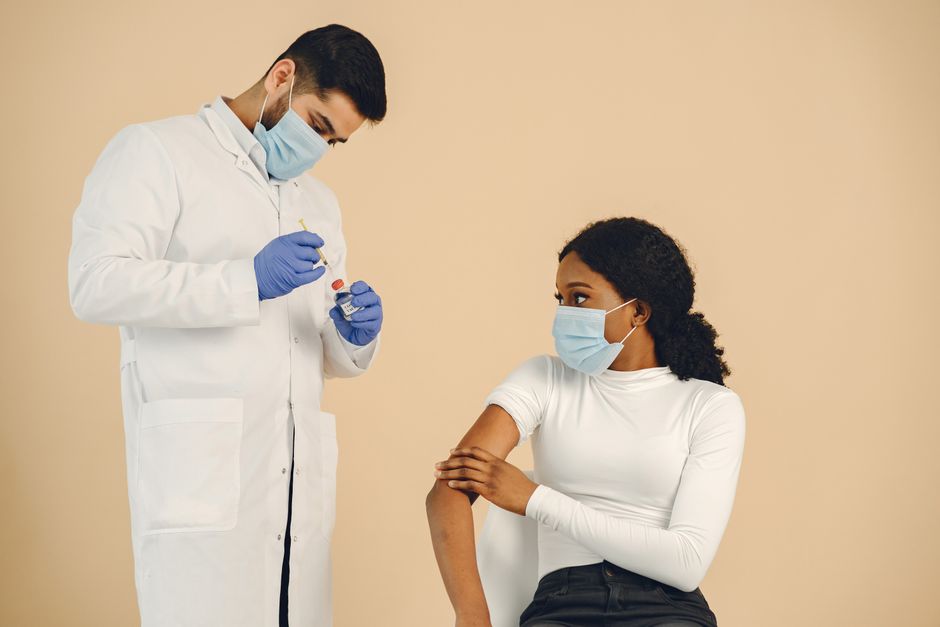
For most people who recover from COVID-19, the immune system does not sustain permanent damage. Studies show that after mild to moderate infection, immune function typically returns to normal within weeks to months. However, severe cases and Long COVID can leave lasting changes in immune cell levels and regulation. The current evidence indicates that while some immune alterations can persist for many months, they are not necessarily permanent for the majority of people.
What Happens to Your Immune System During an Acute COVID Infection?
When the SARS-CoV-2 virus enters the body, the immune system launches a two‑part response. The innate immune system acts first, releasing inflammatory signals to contain the virus. Then the adaptive immune system kicks in, producing virus‑specific T cells and B cells that clear the infection and create memory.
In many mild cases this response works well and resolves within one to two weeks. But in severe COVID, the immune system can overreact. This is sometimes called a cytokine storm. High levels of inflammatory proteins can damage tissues and also temporarily deplete certain immune cells. One well‑documented effect is lymphopenia – a low count of lymphocytes, the white blood cells central to adaptive immunity. Severe COVID often causes lymphocyte counts to drop well below normal, sometimes to critically low levels.
This drop is not unique to COVID. Many viral infections cause a temporary dip in lymphocyte numbers. What makes COVID different for some patients is the depth and duration of the drop, especially in those who require intensive care.
How Does COVID Change Immune Cell Populations Long Term?
Research published in Science and other journals has tracked immune cell levels in COVID survivors for months after recovery. In most people with mild disease, lymphocyte counts return to normal within a few weeks. But in those who had severe illness, some cell types can remain lower than expected for six months or longer.
Specifically, studies have found that CD8+ T cells – the “killer” cells that destroy infected cells – can remain reduced in some severe COVID survivors for up to a year. Similarly, some B cell populations may take months to rebound. These changes are not the same as having a “damaged” immune system. They represent a slow recovery of cell reservoirs that were heavily used during the infection.
Importantly, even when cell counts are low, the remaining cells still function. The body may simply need time to replenish its stores. Whether these changes ever become permanent is still being studied.
Does Covid Damage Your Immune System For Good? The Evidence So Far
For the vast majority of people – especially those who had mild or moderate COVID – the answer is no. The immune system is designed to recover from large infections. Memory T cells and B cells generated during infection can persist for years, providing protection against reinfection. That is normal, not harmful.
However, a subset of people with Long COVID show ongoing immune dysregulation. Their blood may show persistent inflammation, altered T cell subsets, or signs of immune activation months after the initial infection. This does not mean their immune system is “broken.” It means it has not yet returned to its pre‑infection baseline. Some researchers refer to this as a “post‑viral” state, which can occur after other severe infections like Epstein‑Barr or influenza.
The key question is whether these changes are permanent. So far, follow‑up studies lasting one to two years show that most people eventually recover normal immune profiles. Long COVID patients often improve over time, though some have persistent symptoms. It is too early to say with certainty that no one has permanent immune damage, but the current trajectory is toward recovery for the majority.



Can COVID Trigger Autoimmunity or Other Immune Disorders?
Some studies have reported an increase in new autoimmune conditions after COVID, such as type 1 diabetes, rheumatoid arthritis, or lupus. The evidence is still emerging, and the absolute risk appears very low. For example, a large study from Germany found that the rate of new autoimmune disease among COVID survivors was slightly higher than in uninfected people, but the increase was small – on the order of fractions of a percent.
The biological mechanism is plausible. Severe inflammation can sometimes cause the immune system to mistakenly attack the body’s own tissues. This is not unique to COVID; it can happen after many viral infections, including influenza and Epstein‑Barr. At this point, the evidence does not support the idea that COVID regularly destroys the immune system’s ability to distinguish self from non‑self. But it may increase the risk slightly for certain individuals.
If you have a pre‑existing autoimmune condition, COVID can sometimes trigger a flare. That is different from causing a new permanent immune defect.
Who Is Most at Risk for Long‑Term Immune Changes?
Risk factors for persistent immune changes mirror those for severe COVID itself:
- Older age – immune systems naturally decline with age and take longer to recover.
- Pre‑existing conditions like diabetes, heart disease, or chronic lung disease.
- Severity of infection – people who were hospitalized or in intensive care are most likely to have lingering immune changes.
- Immunocompromised individuals – those on chemotherapy, organ transplants, or with primary immunodeficiencies may have a harder time clearing the virus and recovering.
For healthy younger adults with mild COVID, the immune system almost always returns to normal within a few weeks. The idea that a single mild infection permanently weakens immunity is not supported by current evidence.
Can You Do Anything to Help Your Immune System Recover After COVID?
No specific treatment has been proven to speed up immune recovery after COVID. However, general healthy habits support immune function:
- Adequate sleep – sleep deprivation can lower lymphocyte counts.
- Balanced nutrition – protein, zinc, vitamin D, and vitamin C are important for immune cell production. But supplements have not been shown to reverse COVID‑related immune changes.
- Gradual return to activity – intense exercise may be too stressful for someone still recovering from severe illness, but light activity can help.
- Avoiding reinfection – getting vaccinated or boosted reduces the risk of another severe episode that could further stress the immune system.
Some clinicians recommend monitoring blood counts after severe COVID, especially if ongoing symptoms like frequent infections or fatigue occur. That is a conversation to have with your doctor, not a standard recommendation for everyone.
How Does COVID Compare to Other Viral Infections Like Flu or Mono?
Other viruses also cause temporary immune suppression. Influenza can lower lymphocyte counts for weeks. Epstein‑Barr virus (mono) can cause prolonged fatigue and altered immune markers for months. The immune system usually bounces back after these infections as well.
What makes COVID stand out is the degree of immune activation in severe cases. Some severe COVID patients show changes in T cell receptor diversity – meaning the range of different T cells available to fight future infections may be narrowed. This has been seen in some patients with critical illness, but it is not clear if this narrowing is permanent or clinically meaningful. Most people’s immune repertoire appears to recover.
So far, there is no evidence that COVID causes more permanent immune damage than other serious viral infections. For most people, the immune system is resilient.
Frequently Asked Questions
Can COVID permanently destroy my immune system?
No. Permanent destruction of the immune system from COVID is exceedingly rare, if it happens at all. Most people fully recover immune function within weeks to months.
Does Long COVID mean my immune system is damaged?
Not exactly. Long COVID involves persistent symptoms and sometimes ongoing immune activation, but this is considered dysregulation rather than permanent damage. Many people improve over time.
Should I get vaccinated if I already had COVID?
Yes. Vaccination after infection provides additional protection and may help normalize immune responses. It does not harm the immune system.
How long does it take for immune cells to return to normal after severe COVID?
In severe cases, lymphocyte counts may take three to six months to normalize. Some studies show certain cell types can take up to a year. Most people eventually recover.
