
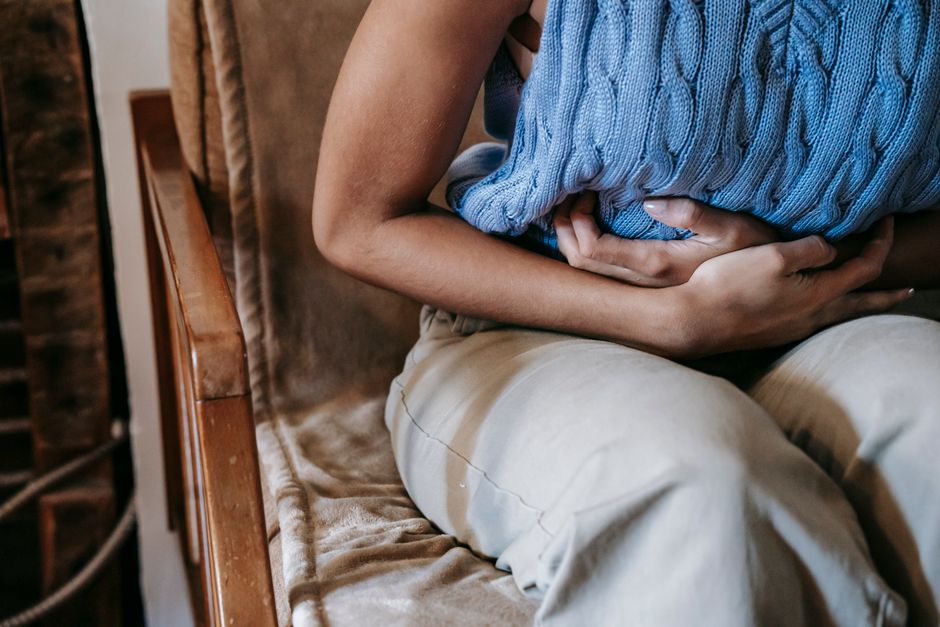
Bloating feels like a tight, full, or swollen belly. Many people describe it as feeling like their stomach is stretched or bigger than usual. The sensation often comes with discomfort or sometimes pain. It can make you feel heavy, gassy, or like you need to loosen your clothes.
What Does Bloating Actually Feel Like?
People describe bloating differently. Some feel a constant pressure in their upper abdomen. Others notice a visible swelling below the ribs. The sensation can be dull or sharp. It may come and go or last for hours.
A common description is feeling like a balloon is inflating inside your stomach. You might feel full even when you have not eaten much. Some people say their belly looks “pregnant” or “distended.” The skin around the abdomen can feel tight. Clothes that usually fit comfortably may dig in.
Bloating can also cause burping, passing gas, or a rumbling stomach. These symptoms often come together. But not everyone who feels bloated has extra gas. Sometimes the sensation is due to how sensitive your gut nerves are.
What Causes That Sensation?
Bloating happens when gas or fluid builds up in your digestive tract. Most often it is gas from swallowing air or from bacteria breaking down food in your intestines. When gas collects, it stretches the walls of your stomach or intestines. That stretching triggers nerve signals that your brain interprets as fullness or pressure.
Several factors can increase gas production. Eating too fast, chewing gum, or drinking carbonated beverages adds air. Certain foods like beans, broccoli, cabbage, onions, and wheat produce more gas during digestion. So can dairy if you are lactose intolerant. Some people have trouble digesting fructose or gluten, which can cause bloating.
Movement in your digestive system also matters. If your intestines contract slowly, gas can build up. If they contract too fast, you may feel cramping with bloating. Stress can affect these contractions through the gut-brain connection. This is why some people feel bloated when they are anxious.
Another cause is fluid retention. Hormonal changes, especially before a period, can make your body hold onto water. That water collects in tissues, including your gut wall, creating a full feeling. This type of bloating does not involve gas.
How Is Bloating Different from Other Stomach Problems?
Bloating is often confused with other digestive issues. But it is not the same as heartburn, which is a burning sensation behind the breastbone. Heartburn comes from stomach acid moving up into the esophagus. Bloating is in the belly, not the chest.
Bloating is also different from constipation, although they can happen together. Constipation means you have fewer bowel movements or have hard stools. Bloating can occur with or without constipation. If you are constipated, gas and stool build up, making the bloated feeling worse.
Another condition is irritable bowel syndrome, or IBS. Many people with IBS feel bloated regularly. But bloating is just one symptom of IBS. The others include cramping, diarrhea, or constipation. Bloating alone does not mean you have IBS.
It is also not the same as early pregnancy symptoms. Some women feel full or swollen early in pregnancy, but bloating from digestion is different from implantation or hormonal changes. If you have missed a period and feel bloated, a pregnancy test is wise.





When Should You See a Doctor?
Occasional bloating is normal and rarely a sign of something serious. But you should see a doctor if bloating lasts more than two weeks and does not go away. Also if it gets worse over time, or if it comes with other symptoms.
Red flags include: unexplained weight loss, blood in your stool, fever, vomiting, or severe pain. If bloating keeps you from eating or sleeping, check with a doctor. People over 50 with new or changing bloating should also be evaluated.
Bloating can sometimes be a symptom of conditions like celiac disease, ovarian cancer, or gastroparesis. These are less common, but they are important to rule out. Ovarian cancer often presents with persistent bloating, abdominal pain, and feeling full quickly. If you have a family history of ovarian or colon cancer, mention it to your doctor.
Doctors may order blood tests, stool tests, or imaging to find the cause. They might also suggest a breath test for lactose or fructose intolerance. In some cases, a trial of a low-FODMAP diet helps identify trigger foods.
What Can Help with Bloating?
There is no universal cure, but several approaches reduce bloating for many people. Start with eating habits. Eat slowly and chew food thoroughly. Avoid carbonated drinks and chewing gum. If dairy bothers you, try lactose-free options.
Some studies suggest that a low-FODMAP diet helps people with IBS-related bloating. FODMAPs are certain carbohydrates that ferment in the gut. A dietitian can guide you through an elimination phase and reintroductions. Do not start this diet on your own without guidance, as it is restrictive.
Peppermint oil capsules can relax the gut muscles and reduce bloating. Some research supports their use for IBS symptoms. But they may cause heartburn in some people. Probiotics have mixed evidence. Some strains may help, but results vary widely.
Physical activity can move gas through the digestive tract. Gentle walks after meals, yoga poses like child’s pose, or abdominal massage may help. Over-the-counter products like simethicone (Gas-X) break up gas bubbles, but evidence for bloating relief is modest.
For bloating due to fluid retention, lowering salt intake can help. Staying hydrated also helps your body regulate fluid balance. Some people find that ginger or fennel tea soothes the gut.
Can Bloating Be Prevented?
Prevention depends on the cause. If you know certain foods trigger bloating, avoid them or eat smaller portions. Common triggers include beans, lentils, onions, garlic, apples, and wheat. Keeping a food diary for a few weeks can help you identify patterns.
Eating smaller meals more often can prevent the feeling of excessive fullness. Wait at least two to three hours after eating before lying down. This gives your stomach time to empty. Avoid eating late at night if morning bloating is a problem.
Managing stress also helps. Stress slows digestion for some people and speeds it up for others. Both extremes can lead to bloating. Techniques like deep breathing, meditation, or regular exercise can keep your gut moving well.
If you have chronic bloating that responds to diet changes, you may need to maintain those changes long term. But if bloating returns despite avoiding triggers, see a doctor for further evaluation.
Frequently Asked Questions
Why do I feel bloated after eating?
Most often, it is from gas produced when bacteria break down certain foods in your colon. Eating too fast or eating large meals can also cause a feeling of fullness.
Does bloating cause weight gain?
No, bloating is temporary swelling from gas or fluid, not fat gain. Your weight may go up a pound or two on the scale, but it drops once the bloating passes.
How long does bloating last?
For most people, bloating from a meal or gas lasts a few hours to a day. If it lasts more than two weeks without relief, see a doctor.
What is the difference between bloating and water retention?
Bloating is felt in the abdomen and is usually from gas. Water retention affects the whole body, including hands, feet, and legs, and comes from fluid buildup in tissues.
