
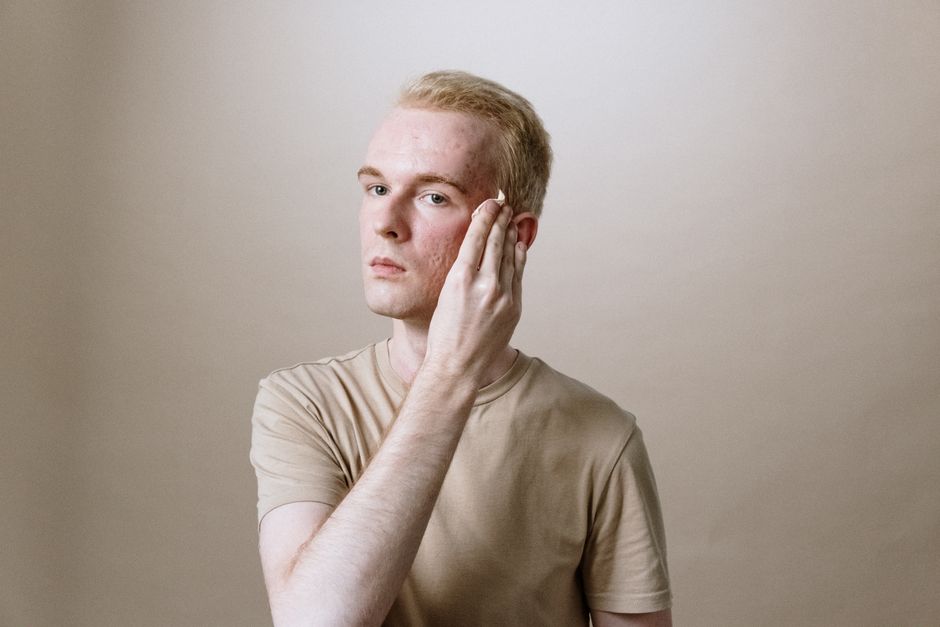
Benzoyl peroxide works by killing Cutibacterium acnes bacteria on the skin and by helping unclog pores. It releases oxygen into the pore, and that oxygen is toxic to the bacteria that drive inflammatory acne. It also has a mild peeling effect that helps clear dead skin cells from the pore lining. Unlike antibiotics, bacteria have not developed meaningful resistance to it.
How Does Benzoyl Peroxide Work For Acne?
Benzoyl peroxide is a peroxide. When you apply it to skin, it breaks down and releases oxygen. This happens inside the pore, where acne forms.
The bacterium Cutibacterium acnes (formerly called Propionibacterium acnes) thrives in low-oxygen conditions. It lives deep in the sebaceous follicle, the oil gland and pore structure where acne starts. When benzoyl peroxide raises the oxygen level in that environment, the bacteria cannot survive. This is why it works.
That same oxygen release also appears to calm inflammation. Inflammatory acne — the red, tender, pus-filled kind — is driven partly by the immune system’s reaction to the bacteria. Reducing the bacterial load reduces that reaction.
There is a second mechanism. Benzoyl peroxide is mildly keratolytic, meaning it helps break down keratin, the protein that makes up dead skin cells. This helps prevent the pore from staying blocked. A blocked pore is the first step in every acne lesion.
So the drug attacks acne at two points: the bacteria and the blocked pore. It does not work on hormones or oil production directly. That is why it is often combined with other treatments.
Why Can’t Bacteria Become Resistant To Benzoyl Peroxide?
Antibiotic resistance is a real problem in acne treatment. C. acnes resistance to erythromycin and clindamycin has become common in many countries. Benzoyl peroxide is different.
Resistance to benzoyl peroxide has not been demonstrated in clinical use. The reason is its mechanism. It does not act on a single bacterial target, like a specific enzyme or protein that a bacterium could mutate to evade. Instead, it works through oxidative damage — it damages bacterial cell components broadly. There is no single mutation that confers resistance to that kind of attack.
This is why dermatology guidelines have shifted toward using benzoyl peroxide alongside topical antibiotics. When benzoyl peroxide is combined with clindamycin, it helps prevent the bacteria from developing resistance to the antibiotic. It is one of the few instances in medicine where a drug is used partly to protect another drug from resistance.
That combination strategy is now widely recommended. It represents a meaningful change from older practice, where antibiotics were often used alone.
What Forms Of Benzoyl Peroxide Exist And How Do They Differ?
Benzoyl peroxide comes in many forms. The form matters as much as the concentration.
- Wash — rinsed off after a short contact time. Good for the back and chest, where skin is thicker.
- Leave-on gel — stays on the skin. Common for facial acne.
- Cream — often less drying than gel. Sometimes chosen for sensitive skin.
- Lotion — lighter, easier to spread over larger areas.
- Cleanser — similar to wash, formulated for daily face washing.
Concentration is where people often get confused. Over-the-counter products in the US typically range from 2.5% to 10%. A common assumption is that higher is stronger and therefore better. The evidence does not support that.
Research has generally found that 2.5% works about as well as higher concentrations for mild to moderate acne, while causing less irritation and dryness. Higher concentrations mainly add side effects, not benefit. Some clinicians still reach for 5% or 10% for body acne or more stubborn cases, but for facial acne, starting low is reasonable.
The formulation also affects how much irritation you get. A micronized or “micro” gel uses smaller particles that release more gradually, which some people find less irritating than standard gels at the same concentration.





What Should You Expect When You Start Using It?
Benzoyl peroxide does not work overnight. Most people see improvement over several weeks, and full results can take longer. Patience matters here, because many people quit too early.
There is a predictable early phase. In the first days to couple of weeks, some people notice redness, dryness, peeling, or a stinging sensation. This is irritation, not an allergic reaction in most cases. It usually eases as the skin adjusts. Starting with a lower concentration and applying it every other day can reduce this.
A less obvious point: benzoyl peroxide can cause a temporary flare of acne in some people during the first few weeks. This is sometimes called purging. It happens because the medication speeds up the clearing of existing clogged pores, pushing some lesions to the surface faster. It is not a sign the product is failing. It typically settles with continued use.
If irritation is severe, or you develop swelling, significant blistering, or a rash that spreads, stop and talk to a clinician. That pattern suggests a true reaction rather than ordinary irritation.
How Should Benzoyl Peroxide Be Used With Other Acne Treatments?
Benzoyl peroxide plays well with most other acne treatments, but a few combinations need care.
It pairs well with topical retinoids like adapalene, tretinoin, and tazarotene. These work on different parts of the acne process — retinoids normalize how skin cells shed and prevent new clogged pores, while benzoyl peroxide handles bacteria and existing inflammation. Using both is common and often more effective than either alone.
It pairs with topical antibiotics, and as noted, it helps protect against resistance. Many prescription products combine benzoyl peroxide and clindamycin in a single formula for this reason.
One combination to avoid: benzoyl peroxide and tretinoin applied at the same time. Benzoyl peroxide can break down tretinoin and reduce its effectiveness. The usual approach is to use them at different times of day, or to use a stabilized formulation designed to combine them. Adapalene is more stable alongside benzoyl peroxide than tretinoin is.
Salicylic acid and benzoyl peroxide can be used together, though both can dry the skin. Watch for excess irritation if you layer them.
What Are The Real Downsides And Safety Considerations?
Benzoyl peroxide is well established and widely used. It is not risk-free, and the honest picture includes several real drawbacks.
The most common issue is irritation — dryness, redness, peeling, and stinging. This is dose-related and usually manageable by using a lower concentration or less frequent application.
It bleaches fabric. Towels, pillowcases, clothing, and sheets can be permanently discolored by contact with benzoyl peroxide. This is not a health risk, but it is a practical annoyance that surprises many people. Letting it dry fully before contact with fabric helps, though it does not eliminate the problem.
Allergic contact dermatitis can occur. It is uncommon but real. Signs include a rash that worsens rather than improves, swelling, or intense itching. If that happens, stop using it.
There is a documented but rare concern about benzene. In 2024, some benzoyl peroxide products were found to contain elevated levels of benzene, a known carcinogen, particularly when stored at higher temperatures. This led to recalls and ongoing attention from regulators. The clinical significance for a person using a topical acne product is not fully settled, and the situation has been evolving. If you want current guidance, checking with a pharmacist or a clinician is reasonable.
For pregnancy and breastfeeding, benzoyl peroxide is generally considered one of the safer acne options because very little is absorbed through the skin. That said, decisions during pregnancy should be made with a clinician, since individual circumstances vary.
Who Should Consider Benzoyl Peroxide — And Who Should Not?
Benzoyl peroxide is a reasonable first choice for mild to moderate acne, especially inflammatory acne with red, tender bumps. It is also useful for people who have not responded to other over-the-counter options, or who want to avoid antibiotics.
It is less suited for people with very sensitive skin, eczema, or rosacea, where it can trigger irritation. It is also not the best stand-alone treatment for acne that is mainly hormonal or cystic, which often needs prescription care.
If your acne is severe, causing scarring, or not improving after a few months of consistent use, that is a signal to see a dermatologist. Acne that leaves scars or deep cysts can benefit from prescription treatment, and waiting too long can mean permanent marks.
Benzoyl peroxide is not a cure. It manages acne while you use it. When you stop, acne can return, because the underlying drivers — hormones, oil production, and pore behavior — have not changed. That is not a failure of the product. It is how the condition works.
Frequently Asked Questions
How long does benzoyl peroxide take to work?
Most people notice improvement over several weeks, with fuller results taking longer. It is not an overnight treatment, and consistency matters more than concentration.
Can I use benzoyl peroxide every day?
Yes, many people use it once or twice daily, but starting every other day can reduce irritation. If your skin stings or peels badly, use it less often or at a lower concentration.
Does benzoyl peroxide bleach skin?
It does not bleach skin, but it can bleach fabric like towels and pillowcases. Let it dry fully before it touches clothing or bedding to limit the damage.
Is benzoyl peroxide safe during pregnancy?
It is generally considered one of the safer topical acne options in pregnancy because little is absorbed through the skin. Check with your clinician before using it, since your situation may differ.
