
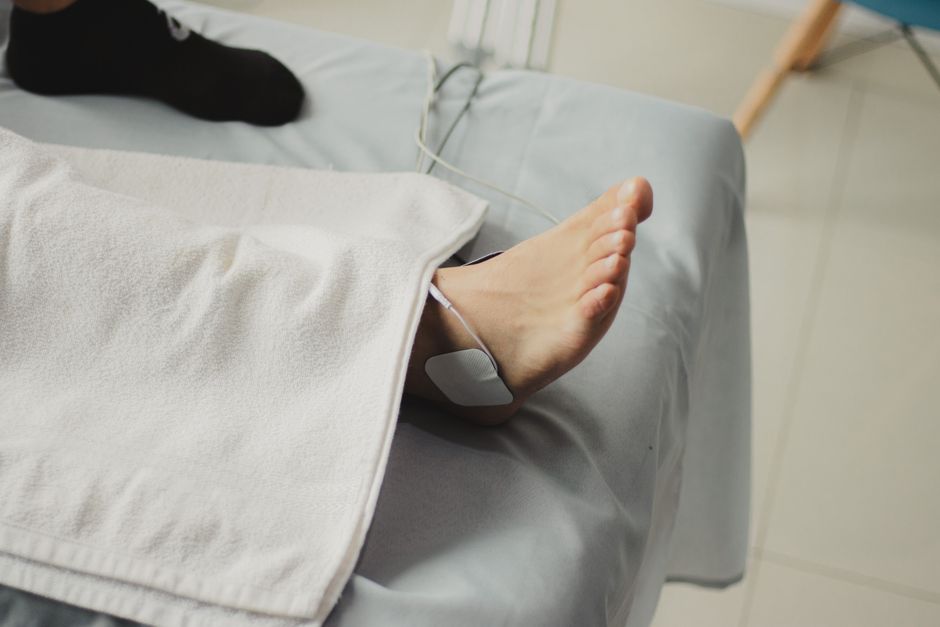
Axonics therapy works by sending mild electrical pulses to the nerves that control the bladder. A small implanted device, placed under the skin near the tailbone, stimulates the sacral nerves. Those nerves carry signals between the bladder and the brain. When they fire more normally, bladder control often improves.
This approach is a form of sacral neuromodulation. It is used for people with overactive bladder, urinary urge incontinence, and fecal incontinence who have not found enough relief from other treatments. The device does not repair or replace any part of the urinary tract. It changes how the nerves communicate.
How Does Axonics Therapy Work For Bladder Control?
The device delivers electrical stimulation to the sacral nerve roots. These nerve roots sit near the base of the spine and connect to the bladder, bowel, and pelvic floor muscles.
In people with overactive bladder, the bladder signals can become overactive or poorly coordinated. The brain may receive urgent “empty now” messages even when the bladder is not full. Sacral nerve stimulation appears to interrupt or reset some of that abnormal signaling. The result, for many patients, is fewer sudden urges and fewer accidental leaks.
The exact mechanism is not fully understood. Researchers believe the stimulation modulates reflex pathways in the spinal cord and brain that govern bladder storage and emptying. It is not simply numbing the bladder or blocking all sensation. The goal is to restore more normal communication between the bladder and the nervous system.
The Axonics system is one of several sacral neuromodulation devices. It received FDA approval for overactive bladder and fecal incontinence. It uses a rechargeable or non-rechargeable implanted pulse generator, depending on the model. The generator connects to a thin lead placed near the sacral nerve.
What Happens During the Axonics Implant Procedure?
The procedure is usually done in two stages. The first stage is a trial. The second is the permanent implant, but only if the trial works well enough.
During the trial, a thin wire is placed near the sacral nerve. This is often done in a clinic or operating room using local numbing and sometimes light sedation. The wire connects to an external device you wear for a period of days to a couple of weeks. You keep a diary of leaks, urges, and bathroom trips. If your symptoms improve enough, you and your doctor may decide to move forward with the permanent implant.
The permanent implant is a small procedure, usually outpatient. The pulse generator is placed under the skin in the upper buttock area. The lead runs under the skin to the sacral nerve. Most people go home the same day.
Recovery is generally short. Some soreness at the implant site is common. Heavy lifting and twisting may be limited for a few weeks while the lead settles. Your care team gives specific instructions based on your situation.
Who Is a Candidate for Axonics Therapy?
Axonics therapy is generally considered for adults who have not gotten enough relief from other treatments. That usually means behavioral changes, pelvic floor exercises, and medications have been tried first.
Typical candidates include people with:
- Overactive bladder with urgent, frequent urination
- Urge incontinence, where leaks follow a sudden urge
- Fecal incontinence that has not improved with other care
- Urinary retention in some cases, though this is a more specialized use
It is not a first-line treatment. It is also not right for everyone. Pregnancy, certain active infections, and some neurological or anatomical conditions may rule it out. A full evaluation by a urologist or urogynecologist helps determine whether you are a reasonable candidate.
One clarification worth knowing: sacral neuromodulation is not the same as pelvic floor physical therapy or medications. It works on nerve signaling rather than muscle strength or bladder muscle relaxation. Some people use it alongside these other approaches.





How Well Does Axonics Therapy Work?
Clinical studies of sacral neuromodulation, including the Axonics system, have shown meaningful improvement for many patients with overactive bladder and fecal incontinence. But it does not work for everyone, and results vary.
In general, a successful trial is required before permanent implant. This is important. It means the therapy is only implanted in people who already showed a response. Even so, some people who respond during the trial see their benefit fade over time. Others need programming adjustments.
Success is usually measured by fewer leaks, fewer urgent trips to the bathroom, and better quality of life. It is not typically a complete cure. Many patients see a reduction in symptoms rather than total resolution. Setting realistic expectations matters.
The evidence base for sacral neuromodulation is strongest for overactive bladder and fecal incontinence. For other bladder conditions, the evidence is more limited. Ask your doctor what the research shows for your specific diagnosis.
What Are the Risks and Side Effects?
Any implanted device carries risks. For sacral neuromodulation, the most common issues relate to the device and the procedure itself.
Possible risks include:
- Pain or discomfort at the implant site
- Infection
- Lead movement or breakage
- Changes in bowel or bladder function
- Need for reprogramming or revision surgery
- Battery replacement over time, depending on the model
Some people feel temporary stimulation in the legs or buttocks. This is often adjustable with programming. Serious complications are uncommon but possible. Your care team reviews your specific risks before the procedure.
MRI use is a consideration with any implanted device. Some Axonics systems are approved for certain MRI scans under specific conditions. Always tell any medical provider that you have an implanted device before imaging or procedures.
How Does It Compare to Other Bladder Control Treatments?
Treatment for overactive bladder usually starts with the least invasive options. Behavioral changes, bladder training, and pelvic floor exercises come first for many people. Medications are often next. Sacral neuromodulation is generally considered when those steps do not provide enough relief.
Other options include botulinum toxin injections into the bladder muscle and, in more severe cases, surgery. Each has tradeoffs in effectiveness, invasiveness, and side effects.
| Treatment | How It Works | Typical Role |
|---|---|---|
| Behavioral therapy | Trains bladder habits and pelvic muscles | Often first-line |
| Medications | Relax bladder muscle or calm nerve signals | Common next step |
| Sacral neuromodulation | Stimulates sacral nerves with an implant | When other options fall short |
| Botulinum toxin injections | Relaxes bladder muscle directly | Alternative or later option |
There is no single best choice for everyone. The right option depends on your symptoms, health history, and preferences. A trial period helps show whether sacral neuromodulation is likely to help you before committing to a permanent implant.
What Does Living With the Device Involve?
Most people adjust to the device within a few weeks. You may get a handheld remote to turn the stimulation on or off and adjust settings. Some models are rechargeable, which means charging the device on a schedule. Others use a battery that lasts several years and is replaced with a minor procedure.
You can usually return to normal activities, including work and exercise, after recovery. Some precautions around certain medical procedures and strong magnetic fields may apply. Your care team gives guidance specific to your device.
Follow-up visits help fine-tune settings. If symptoms change or the device stops helping, reprogramming or other adjustments may help. Regular check-ins with your doctor are part of ongoing care.
Frequently Asked Questions
Is Axonics therapy the same as a bladder pacemaker?
It is often described that way, but it is more accurately called sacral neuromodulation. The device sends electrical pulses to sacral nerves rather than pacing the heart or bladder directly.
Does Axonics therapy cure overactive bladder?
It is not considered a cure. Studies show it can reduce symptoms for many people, but results vary and some still need other treatments.
How long does the Axonics implant last?
Battery life depends on the model and settings. Rechargeable versions are designed to last many years, while non-rechargeable versions need battery replacement after a period of years.
Can I have an MRI with an Axonics device?
Some Axonics systems are approved for certain MRI scans under specific conditions. Always tell your provider about the device before any imaging.
