
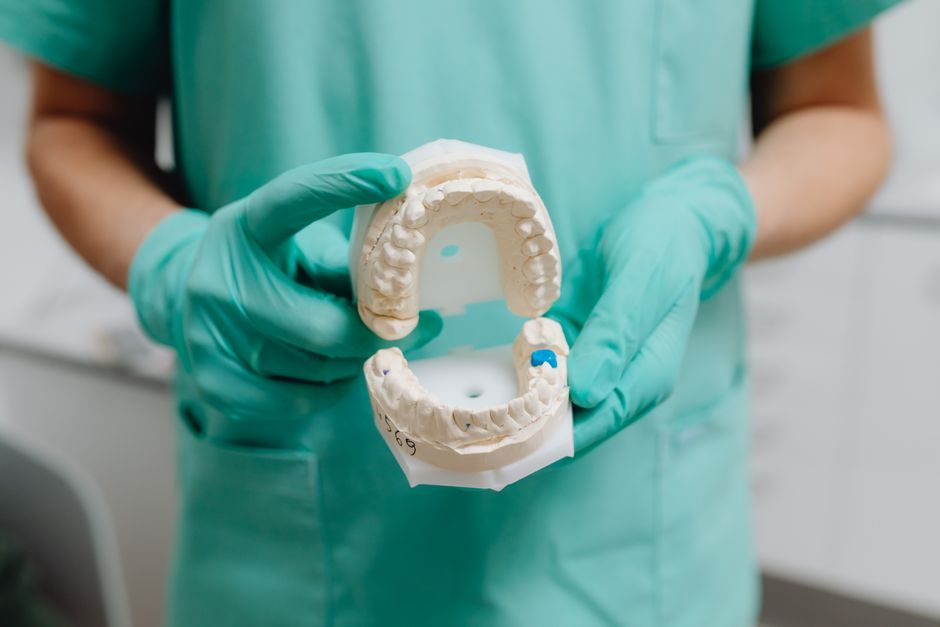
A bite plate is a small removable appliance that fits onto your teeth to correct a specific bite problem. It works by propping the bite open just enough to stop your back teeth from touching. This simple change gives your jaw muscles time to relax, which can relieve pain and allow your teeth to shift into a better position over time.
What Exactly Is a Bite Plate?
A bite plate is a piece of acrylic that covers either your upper front teeth or your lower front teeth. It has a flat, smooth surface that your opposing teeth rest against. Your orthodontist makes it from a mold of your mouth, so it fits snugly over your teeth.
There are two main types. An anterior bite plate covers the upper front teeth. A posterior bite plate covers the lower back teeth. The type you need depends on the specific bite problem you have.
Most bite plates are removable. You take them out to eat and to brush your teeth. Some versions are bonded to the teeth, but removable ones are more common today.
How Does a Bite Plate Work In Orthodontics?
The bite plate works through a simple mechanical principle: it prevents your back teeth from meeting. When your back teeth cannot touch, your jaw muscles cannot fully clench. This stops the grinding and pressure that cause pain and tooth wear.
For people with a deep bite, the plate holds the front teeth apart. This allows the back teeth to move upward slightly over time. The front teeth may also move downward slightly. The result is a more balanced bite where the teeth meet evenly.
For people with a crossbite, the plate works differently. It removes the interference that locks the jaw into an off-center position. Once that interference is gone, the jaw can shift into a more natural alignment.
Bite plates also help with a condition called temporomandibular joint disorder, or TMD. When the back teeth cannot touch, the jaw joint and muscles unload. This reduces inflammation and pain in the jaw joint.
What Bite Problems Does a Bite Plate Treat?
Bite plates are not a standalone treatment for crooked teeth. They are a tool that orthodontists use to fix specific bite problems before or during braces treatment.
The most common conditions treated with bite plates include:
- Deep bite — when the upper front teeth overlap the lower front teeth too much
- Crossbite — when some upper teeth sit inside the lower teeth instead of outside
- Open bite — when the front teeth do not touch at all when the back teeth are closed
- Jaw pain and clenching — when muscle tension causes discomfort
Each condition requires a different type of bite plate and a different wear schedule. Your orthodontist will tell you exactly when to wear it and for how long.





How Long Do You Need to Wear a Bite Plate?
Treatment time varies widely. Some people wear a bite plate for just a few months. Others wear it for a year or more. The duration depends on the severity of the bite problem and how consistently you wear the appliance.
Most orthodontists recommend wearing the bite plate at all times except for eating and brushing. Some patients only need to wear it at night. The instructions you receive are specific to your treatment plan, so follow them exactly.
The plate works only while you are wearing it. If you skip hours or days, the treatment takes longer. Consistency is the single most important factor in how quickly a bite plate works.
What Does a Bite Plate Feel Like?
Expect some adjustment in the first week. Your mouth will produce extra saliva. Your speech may sound slightly different. Some people notice a lisp that fades as the tongue adapts.
You may also feel soreness in your teeth and jaw during the first few days. This is normal. The soreness means the bite plate is doing its job by applying steady pressure to move the teeth.
Over-the-counter pain relievers can help with the initial discomfort. Soft foods for the first few days also help. The discomfort usually fades within a week as your mouth adapts.
What Are the Risks and Side Effects?
Bite plates are generally safe, but they are not without side effects. The most common issue is that the teeth touching the plate may become slightly loose. This is expected and temporary. The teeth tighten back up once the bite is corrected.
Some patients develop a temporary open bite after treatment. This happens when the back teeth move up but the front teeth do not move down enough. In most cases, this resolves on its own or with additional orthodontic treatment.
Poor oral hygiene is a real risk. Food can get trapped under the plate. If you do not brush thoroughly, you can develop cavities or gum inflammation. You must brush after every meal before putting the plate back in.
If the plate causes persistent pain, sores, or does not fit properly, contact your orthodontist. A poorly fitting bite plate can cause more harm than good.
How Do You Care for a Bite Plate?
Clean the bite plate daily with a soft toothbrush and plain water. Do not use hot water. Heat can warp the acrylic and ruin the fit.
Store the plate in its case when you are not wearing it. Never wrap it in a napkin or leave it on a table. Plates get thrown away or broken this way more often than you might think.
Bring the plate to every orthodontic appointment. Your orthodontist will check the fit and make adjustments as your bite changes.
Do Bite Plates Work Without Braces?
Bite plates rarely work alone. They correct the bite problem, but they do not straighten teeth. Most patients need braces or clear aligners to complete the treatment.
The bite plate is usually the first phase of treatment. Once the bite is corrected, braces go on to align the teeth. Some orthodontists combine the bite plate with braces from the start.
In rare cases, a bite plate alone may be sufficient. This typically applies to mild bite problems in children whose jaws are still growing. For adults, a bite plate is almost always part of a larger treatment plan.
How Is a Bite Plate Different From a Night Guard?
Many people confuse bite plates with night guards. They look similar, but they serve different purposes.
A night guard is a soft or hard appliance that protects the teeth from grinding damage. It does not correct the bite. It simply absorbs the force of clenching and grinding while you sleep.
A bite plate actively changes the position of the teeth and jaw. It is a corrective device, not just a protective one. The distinction matters because the treatment goals are different.
Your dentist or orthodontist will recommend the right device based on your specific problem. Do not substitute one for the other without professional advice.
When Should You See an Orthodontist About a Bite Problem?
See an orthodontist if you have jaw pain, clicking in the jaw joint, or frequent headaches that seem related to your bite. You should also see one if your teeth show signs of uneven wear or if your front teeth overlap excessively.
Early evaluation matters. Bite problems are easier to correct in children and teenagers because their jaws are still growing. Adults can still be treated, but treatment may take longer and require more complex appliances.
Your general dentist may notice bite problems during a routine exam. They can refer you to an orthodontist for a full evaluation.
Frequently Asked Questions
Does a bite plate hurt?
Mild soreness in the teeth and jaw is common for the first few days. This fades as your mouth adapts to the appliance.
Can you eat with a bite plate in?
Most bite plates are removed for eating. Eating with the plate in can damage it and trap food underneath.
How long does it take for a bite plate to work?
Most people see noticeable bite changes within three to six months of consistent wear. Full correction depends on the severity of the problem and your compliance with the wear schedule.
Can adults wear a bite plate?
Yes. Adults can wear bite plates, but treatment may take longer than in growing children. The plate is often combined with braces or aligners for complete correction.
