
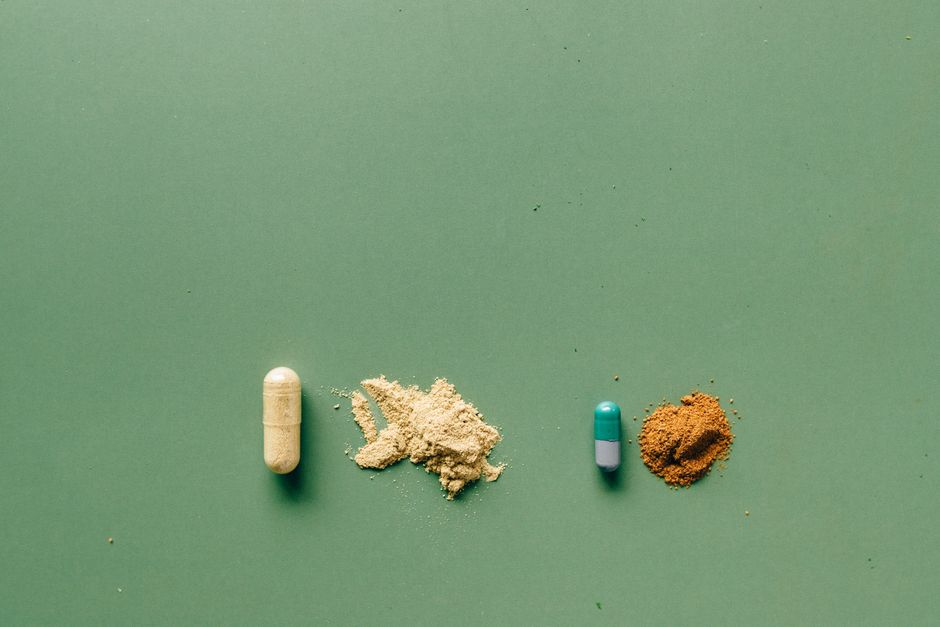
Nutritional yeast is a deactivated yeast sold as yellow flakes or powder, and you use it by stirring it into warm foods, sprinkling it over finished dishes, or blending it into sauces and dressings. Start with one to two tablespoons, taste, and adjust from there. It adds a savory, cheese-like flavor without any actual dairy.
What Is Nutritional Yeast Exactly?
Nutritional yeast is a strain of Saccharomyces cerevisiae, the same family of yeast used in baking and brewing. The difference is that nutritional yeast is grown specifically for food use, then heated and dried, which deactivates it. Deactivated means it cannot ferment, rise bread, or grow in your body. It is not a live probiotic.
The yellow flakes you buy in bulk bins or supplement aisles are the finished product. Some brands fortify the yeast with additional vitamins, particularly B vitamins including B12. Unfortified versions exist too, and they do not contain B12. Check the label if that matters to you.
People often confuse nutritional yeast with brewer’s yeast. They are different products. Brewer’s yeast is a byproduct of beer making and has a bitter taste. Nutritional yeast is grown on its own and has a savory, umami flavor often compared to cheese.
How Do You Use Nutritional Yeast Step by Step
Using nutritional yeast is simple, but the method matters depending on where you add it. Here is the practical step-by-step approach.
Step 1: Start with a small amount. Measure one tablespoon of flakes into your hand or a small bowl. You can always add more, but you cannot remove it once it is mixed in.
Step 2: Choose your application. For hot foods like pasta, soup, or scrambled eggs, sprinkle the flakes directly over the food and stir. The heat softens the flakes and helps them dissolve slightly. For cold foods like salad dressing or dips, blend the yeast into the liquid or soft base so it incorporates evenly.
Step 3: Taste and adjust. After stirring, taste the food. Add another half tablespoon if you want a stronger flavor. Most recipes call for one to four tablespoons total, but personal preference varies widely.
Step 4: Store it properly. Keep nutritional yeast in a cool, dark place in an airtight container. It can last up to two years unopened. Once opened, it stays fresh for several months if sealed well.
That is the whole process. There is no cooking required, no activation step, and no special technique. It is one of the most forgiving ingredients in a kitchen.
What Does Nutritional Yeast Taste Like?
Nutritional yeast has a savory, nutty, and slightly cheesy flavor. The taste is often described as umami, which is the fifth basic taste alongside sweet, sour, salty, and bitter. The cheese-like quality comes from naturally occurring compounds, not from dairy.
This makes it a popular topping for vegan and dairy-free diets. People sprinkle it on popcorn, roasted vegetables, and pasta in place of grated Parmesan. It does not melt like cheese, so it works as a seasoning rather than a replacement in recipes that require melting.
The flavor intensity varies by brand. Some are milder, some are more pungent. If you try one brand and dislike it, another may taste quite different.




Is Nutritional Yeast Good for You?
Nutritional yeast is a source of protein, fiber, and several B vitamins. A typical two-tablespoon serving of fortified nutritional yeast provides a meaningful amount of vitamin B12, which is important because B12 is naturally found almost exclusively in animal products. For people eating plant-based diets, fortified nutritional yeast can be one way to help meet B12 needs.
It also contains zinc, selenium, and manganese in varying amounts depending on the brand and fortification. The exact nutrient profile is printed on the label of each product, and values differ between manufacturers.
One thing to know: nutritional yeast is not a complete protein source on its own, but it can contribute to overall protein intake. It is also low in sodium unless a brand adds salt, which some do. Check the label if you are watching sodium.
No food is a magic bullet. Nutritional yeast is a reasonable addition to a balanced diet, but it does not cure illness or replace medical treatment. Some online claims suggest it boosts immunity or prevents disease. Those claims are not supported by strong clinical evidence.
Are There Any Risks or Side Effects?
For most people, nutritional yeast is safe to eat in normal food amounts. It is a common ingredient with a long history of use. However, a few considerations are worth knowing.
People with yeast allergies or sensitivities may react to it. If you have a diagnosed yeast allergy, talk to your doctor before trying nutritional yeast. Symptoms of a reaction could include digestive discomfort, skin changes, or other allergy signs.
People with inflammatory bowel disease or irritable bowel syndrome sometimes report that nutritional yeast triggers digestive symptoms. This is not universal, but it is reported often enough that it is worth paying attention to how your body responds.
One common myth is that nutritional yeast causes candida overgrowth or feeds yeast infections. This is not supported by evidence. The yeast in nutritional yeast is deactivated, meaning it cannot grow or multiply in the body. It is not the same as a live yeast infection.
If you take an MAOI antidepressant, talk to your doctor before eating large amounts of nutritional yeast. Some brands contain tyramine, a compound that can interact with these medications. The amounts are generally small, but the interaction is real and worth mentioning to a clinician.
Can You Cook with Nutritional Yeast?
Yes, and cooking with it is common. It holds up well to heat and can be added during cooking rather than only at the end.
You can whisk it into sauces and gravies for a savory depth. It works in vegan mac and cheese sauces, often combined with cashews or potatoes to create a creamy texture. It can be added to bread dough or savory muffins for extra flavor. It also works as a coating for baked tofu or vegetables, mixed with breadcrumbs or flour.
One caution: do not use nutritional yeast as a substitute for active yeast in bread recipes. Active yeast is alive and produces carbon dioxide, which makes bread rise. Nutritional yeast is deactivated and will not do this. Using it in a bread recipe will change the flavor but not the rise.
When cooking, add nutritional yeast early if you want the flavor to meld into the dish. Add it at the end if you want a more pronounced, distinct taste.
How Much Nutritional Yeast Should You Eat Per Day?
There is no established daily recommended amount for nutritional yeast. It is a food, not a supplement, and no clinical guidelines define a target intake.
Most people use one to two tablespoons per serving. Some use more. The amount that is right for you depends on your overall diet, your taste preferences, and why you are using it.
If you are using fortified nutritional yeast specifically for vitamin B12, check the label to see how much B12 each serving provides. B12 needs vary by age and life stage, and your doctor or a registered dietitian can help you determine if you need additional supplementation beyond what food provides.
Eating very large amounts is unlikely to cause harm for most people, but it is not necessary. Treat it like any other seasoning: use enough to enjoy it, not more.
Nutritional Yeast vs. Other Seasonings
Nutritional yeast is often compared to grated cheese, bouillon powder, or MSG. Here is how they differ.
| Seasoning | Flavor Profile | Key Difference |
|---|---|---|
| Nutritional yeast | Savory, nutty, cheesy | Contains protein, fiber, and B vitamins; no dairy |
| Grated Parmesan | Salty, sharp, cheesy | Contains dairy and animal rennet; higher sodium |
| Bouillon powder | Salty, savory, meaty | Often high in sodium; may contain additives |
| MSG | Pure umami | No protein or vitamins; very concentrated flavor |
Nutritional yeast is not a one-to-one substitute for any of these. It has a milder flavor than MSG and a different texture than cheese. It works best when you want a savory boost without adding dairy or excess salt.
Common Mistakes to Avoid
The most common mistake is using too much on the first try. Nutritional yeast has a distinct flavor, and a heavy hand can overwhelm a dish. Start small and build up.
Another mistake is confusing it with active yeast. If a recipe calls for active dry yeast and you use nutritional yeast, the recipe will fail to rise. They are not interchangeable.
Storing it poorly is also common. Exposure to air, heat, and light degrades the vitamins over time. Keep the container sealed and in a pantry or cupboard, not on the windowsill.
Finally, do not assume all brands are the same. Fortification levels, flavor, and texture vary. If you have a specific need, such as B12, read the label every time you buy a new brand.
Frequently Asked Questions
Can you eat nutritional yeast raw?
Yes, nutritional yeast is safe to eat without cooking because it is already deactivated. You can sprinkle it directly on salads, popcorn, or any finished dish.
Does nutritional yeast go bad?
Nutritional yeast does not spoil like fresh food, but it loses flavor and vitamin potency over time. Stored properly in an airtight container, it stays good for several months after opening.
Is nutritional yeast the same as brewer’s yeast?
No, they are different products. Nutritional yeast is grown for food use and has a savory, cheesy taste, while brewer’s yeast is a beer-making byproduct with a bitter flavor.
Can nutritional yeast cause yeast infections?
No, nutritional yeast is deactivated and cannot grow or multiply in the body. It does not cause or feed yeast infections.
