
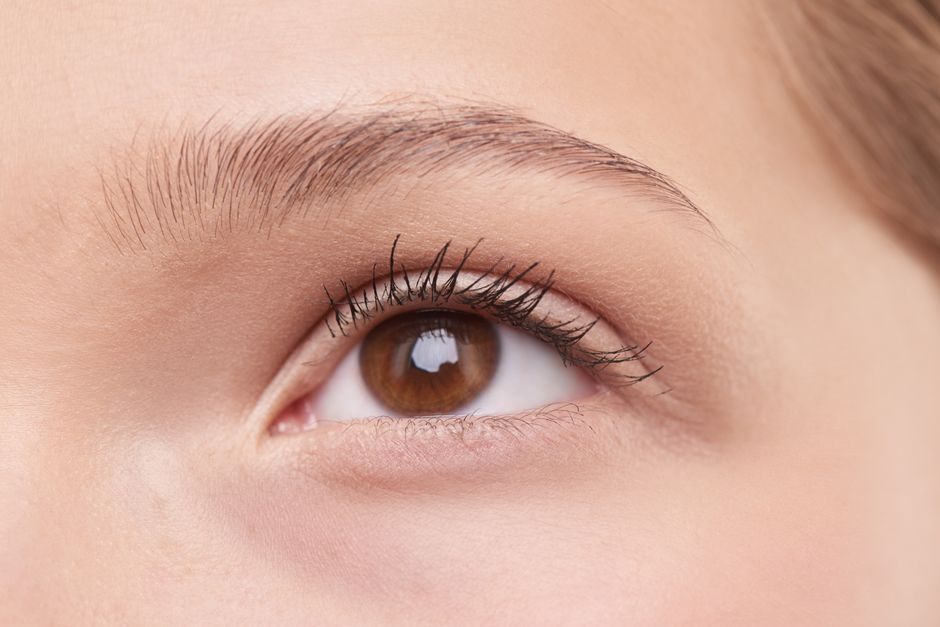
Eyebrow thickness is mostly set by genetics. No topical product can create new hair follicles where none exist. What you can do is help the hairs you have grow to their full length and thickness, and avoid the things that damage them. For some people, that means stopping plucking and waiting. For others, it means a prescription treatment for an underlying condition.
Eyebrows matter beyond appearance. They help keep sweat and debris out of your eyes and play a role in how you read other people’s expressions. Thinning can also be an early sign of a thyroid problem, a nutrient deficiency, or a skin condition, so it is worth understanding why yours are thin before you spend money on serums.
Why Are My Eyebrows Thin?
Most eyebrow thinning has a clear cause once you look for it. The two most common are over-plucking and genetics.
Years of tweezing, waxing, or threading can damage the follicle permanently. This is called traction-induced hair loss, and it is why people who over-plucked in the 1990s and 2000s often find their brows never grew back. The follicle is still there, but repeated trauma can scar it and stop normal hair production.
Genetics come second. Some families simply have finer, sparser brow hair. Age plays a role too. Hair growth slows with age for most people, and brows tend to thin gradually.
Other causes worth ruling out include:
- Thyroid conditions. Both an underactive and overactive thyroid can cause eyebrow thinning, often most noticeable at the outer third of the brow.
- Nutritional deficiencies. Low iron, low zinc, and protein deficiency can all affect hair growth.
- Skin conditions. Eczema, psoriasis, and seborrheic dermatitis can cause hair loss in the brow area.
- Alopecia areata. An autoimmune condition that can cause patchy hair loss, including in the brows.
- Medications and treatments. Some chemotherapy drugs, and occasionally other medications, cause brow thinning.
- Hormonal changes. Pregnancy, menopause, and thyroid changes can all affect brow hair.
If your brows have thinned suddenly, or if you have other symptoms like fatigue, weight changes, or hair loss elsewhere, see a doctor before trying cosmetic fixes. Thinning brows can be an early clue to a thyroid problem that is treatable.
How Do You Thicken Your Eyebrows Without Damaging Them?
The single most effective thing most people can do is stop removing hair and give the follicles time to recover. Brow hair grows slowly compared with scalp hair. A full growth cycle takes several months, so you will not see real change for a while.
Here is what actually helps:
- Stop plucking, waxing, and threading entirely. Let the brow grow out for at least a few months before reshaping. If you must tidy the area, limit it to hairs clearly outside the natural brow line.
- Avoid harsh treatments. Repeated tinting, perming, and chemical straightening can weaken hair. Space them out.
- Be gentle with skincare. Retinoids, acids, and exfoliants applied near the brows can irritate the skin and weaken hair. Keep them away from the brow area.
- Do not pull on the hairs. Rubbing your eyes hard, sleeping face-down, and aggressive makeup removal all add friction.
One clarification that surprises people: trimming your brows does not make them grow back thicker. That is a myth. Cutting a hair does not change the follicle or how thick the new hair will be. It only makes the blunt end feel coarser for a few days.
Do Eyebrow Growth Serums Work?
Some do, but only the ones with ingredients that have real evidence behind them. Most over-the-counter brow serums contain peptides, biotin, and plant extracts, and the evidence for these is weak. No large human trials have confirmed that typical cosmetic serums regrow brow hair.
The ingredient with the most evidence is bimatoprost, a prostaglandin analog. It is the active ingredient in a prescription product approved by the FDA for eyebrow hypotrichosis, a condition of inadequate brow hair. Research published in dermatology journals has found that bimatoprost increases brow hair growth in clinical trials. It is a prescription medication, not a cosmetic, and it carries real side effects, including skin darkening and eye irritation. It is not appropriate for everyone.
Some cosmetic serums contain prostaglandin-like compounds that are not the approved drug. These are not the same as the prescription product, and they have not been through the same testing. Some users report irritation and darkening of the skin around the brows. The evidence for these products is limited.
If you want to try a serum, be realistic. A cosmetic serum may help some people, but do not expect prescription-level results. If your thinning is significant, a dermatologist can tell you whether a prescription treatment is appropriate.




Can Diet and Supplements Thicken Eyebrows?
Only if you are actually deficient in something. Hair is made of protein, and hair growth depends on adequate iron, zinc, and vitamins. If your diet is lacking, correcting that can help. If you are not deficient, supplements are unlikely to make a difference.
Biotin is the supplement most marketed for hair growth. The evidence that biotin helps people who are not deficient is weak. No large trials have shown that biotin thickens brows in healthy people. There is also a safety issue worth knowing: high-dose biotin can interfere with certain lab tests, including thyroid tests, and produce misleading results. Tell your doctor if you take it.
A balanced diet with enough protein, iron-rich foods, and a range of vegetables supports normal hair growth. That is the honest position. There is no food or supplement that reliably turns thin brows thick.
What About Makeup and Cosmetic Options?
For many people, the fastest solution is not regrowth at all. It is filling in what you have. This is a legitimate option, and it does not carry the risks of prescription treatments.
Brow pencils, powders, gels, and tinted pomades can create the appearance of fuller brows in minutes. Microblading and eyebrow tattooing are semi-permanent options that deposit pigment into the skin to mimic hair strokes. These are cosmetic procedures, not treatments for hair loss. Results vary, they fade over time, and they carry risks including infection and allergic reaction if not done by a skilled, licensed professional.
Brow tinting darkens existing hairs so they stand out more. It does not add hair. If your brows are sparse, tinting can make them look fuller without changing the actual hair count.
When Should You See a Doctor About Thin Eyebrows?
See a doctor if your brow thinning came on suddenly, is patchy, or comes with other symptoms. Sudden or patchy loss can point to an autoimmune condition, a thyroid problem, or a skin disorder. These are medical issues, and some are treatable.
Signs that warrant a medical visit include:
- Hair loss in patches rather than gradual thinning
- Loss of the outer third of the brows, which can be linked to thyroid disease
- Thinning along with fatigue, weight change, or feeling cold or hot more than usual
- Redness, scaling, or itching in the brow area
- Brow loss after starting a new medication
A dermatologist or primary care doctor can examine the area, check for underlying conditions, and recommend treatment if one is appropriate. For some causes, like thyroid disease, treating the underlying problem can allow hair to regrow.
The Bottom Line
You cannot create new hair follicles. You can protect the ones you have, give them time to recover from years of plucking, and use proven treatments if a doctor confirms they are appropriate. Most people see the best results from patience and gentle care, not from expensive serums. If your thinning is sudden or comes with other symptoms, get it checked before spending money on cosmetics.
Frequently Asked Questions
Can thin eyebrows grow back?
Yes, if the hair follicles are not permanently damaged. Brows often regrow when you stop plucking and give them several months, though years of over-plucking can cause permanent loss.
Does castor oil thicken eyebrows?
No clinical evidence currently confirms that castor oil regrows or thickens brow hair. It may condition the hairs and make them look healthier, but it does not create new growth.
How long does it take for eyebrows to grow back?
Brow hair grows slowly, and a full growth cycle can take several months. Most people need to avoid plucking for a few months before seeing meaningful regrowth.
Is biotin good for eyebrow growth?
Biotin only helps if you have a deficiency, and true biotin deficiency is rare. No large trials show it thickens brows in healthy people, and high doses can interfere with lab tests.
