
Counting someone’s breathing rate is simpler than taking a pulse, but most people have never been taught how to do it. You take a respiration rate by watching the chest rise and fall for one full minute, counting each complete breath as one. A complete breath is one inhale plus one exhale. Do it while the person is resting and does not know you are counting, because breathing changes the moment someone becomes aware of it.
How Do You Take Respiration Rate Step By Step?
You need a watch or phone with a seconds display and a person who is sitting or lying still. That is the whole setup.
- Make sure the person is at rest. They should have been sitting or lying quietly for a few minutes, not just finished walking or talking.
- Do not announce that you are counting breaths. Tell them you are checking their pulse, or simply rest your hand on their wrist as if you were. Breathing is partly voluntary, and people unconsciously change it when they know it is being watched.
- Watch the chest or abdomen. Each rise and fall is one breath. If the chest movement is hard to see, watch the shoulders or place a hand lightly on the upper abdomen.
- Count for a full 60 seconds. Count the first breath you see as “one,” not “zero.”
- Write the number down. That number is the respiratory rate in breaths per minute.
Counting for 30 seconds and doubling the result is common in busy settings, but it is less accurate. Breathing naturally varies from breath to breath, so a full minute gives a truer picture. If you must use 30 seconds, treat the result as an estimate.
One detail that trips people up: you are counting breaths, not heartbeats. If you are holding the wrist to disguise what you are doing, do not let the pulse distract you. Watch the chest and count only the breathing cycles.
What Is a Normal Respiration Rate?
For a resting adult, a normal respiratory rate is 12 to 20 breaths per minute. This range is well established and appears in standard clinical references.
Normal rates differ by age. Newborns and young children breathe faster than adults, and the rate gradually slows as children grow.
| Age group | Typical resting rate (breaths per minute) |
|---|---|
| Newborn | 30 to 60 |
| Infant (about 6 months) | 30 to 50 |
| Toddler (1 to 3 years) | 24 to 40 |
| Preschool (3 to 5 years) | 22 to 34 |
| School age (6 to 12 years) | 18 to 30 |
| Adolescent (13 to 17 years) | 12 to 20 |
| Adult | 12 to 20 |
These ranges come from pediatric and clinical reference standards. They are approximate guides, not sharp cutoffs. A rate slightly outside the range is not automatically a problem, especially if the person is calm and comfortable.
What matters more than a single number is the pattern. A rate that is steadily climbing, or one that is clearly labored, tells you more than a number that sits one breath above the top of the range.
Why Does Breathing Speed Matter So Much?
Respiratory rate is one of the most useful vital signs, and it is the one most often skipped or guessed at. Research has repeatedly found that when clinicians estimate breathing rate by eye instead of counting, the estimate is often wrong.
The reason it matters is that breathing rate reflects how hard the body is working to move oxygen in and get carbon dioxide out. When something is wrong — infection, low oxygen, a metabolic problem, pain, or a heart issue — the breathing rate often changes before other signs do. In hospital settings, an elevated respiratory rate is one of the earliest warning signs that a patient may be deteriorating.
This is the non-obvious part. Many people assume blood pressure or heart rate is the most important number to track. In acute illness, breathing rate frequently shifts first and is a stronger early warning signal than either of those.





What Makes a Respiration Rate Higher or Lower?
Many things move breathing rate up or down. Most are normal and temporary.
Things that raise it:
- Exercise or recent physical activity
- Fever — for each degree of temperature rise, breathing rate tends to increase
- Pain, anxiety, or stress
- Anemia, which reduces the blood’s oxygen-carrying capacity
- Lung conditions such as asthma, COPD, or pneumonia
- Heart failure and other heart problems
- Some medications and stimulants, including caffeine
- High altitude
- Metabolic conditions such as diabetic ketoacidosis
Things that lower it:
- Relaxation, sleep, and meditation
- Certain medications, including opioids and some sedatives
- Alcohol
- Conditions that affect the brain’s breathing control center
A slow rate can be just as concerning as a fast one, particularly if it comes with confusion, extreme sleepiness, or shallow breathing. That combination warrants urgent medical attention.
When Should You Be Concerned About a Breathing Rate?
A single unusual reading is rarely meaningful on its own. What matters is the reading plus how the person looks and feels.
Seek medical care if a resting adult has a respiratory rate consistently above 20 or below 12, or if any of the following appear alongside an abnormal rate:
- Struggling to breathe, or breathing that looks labored
- Blue or gray color around the lips, face, or fingertips
- Chest pain or tightness
- Confusion, agitation, or unusual drowsiness
- Inability to speak a full sentence without pausing for breath
- Use of the neck, shoulder, or rib muscles to breathe
- Flaring of the nostrils with each breath, especially in children
For children, the threshold for concern is different because their normal rates are higher. A child breathing much faster than usual for their age, or one who is grunting, flaring the nostrils, or pulling in at the ribs, needs prompt medical evaluation.
This is not a situation for home monitoring. Breathing difficulty can worsen quickly, and it is better to be evaluated and sent home than to wait.
How Do You Count Breaths in Someone Who Is Asleep?
Counting breathing while someone sleeps is easier and often more accurate, because they cannot consciously change it. Watch the chest or abdomen rise and fall for a full minute and count each cycle.
Sleep is also when breathing patterns can reveal problems that do not show up while awake. Pauses in breathing during sleep, or long stretches of very shallow breathing, can be a sign of sleep apnea. If you notice repeated pauses — especially ones followed by a gasp or snort — that is worth mentioning to a doctor.
You cannot diagnose sleep apnea by counting breaths at home. Diagnosis requires a sleep study or a home sleep apnea test ordered by a clinician. But noticing the pattern is a reasonable reason to bring it up.
Can You Count Your Own Respiration Rate?
You can, but the number will be less reliable. The act of paying attention to your own breathing tends to change it.
If you want to try, sit quietly for a few minutes first. Then count your breaths for a full minute without trying to control them. Treat the result as a rough guide. For a more trustworthy reading, have someone else count while you are distracted.
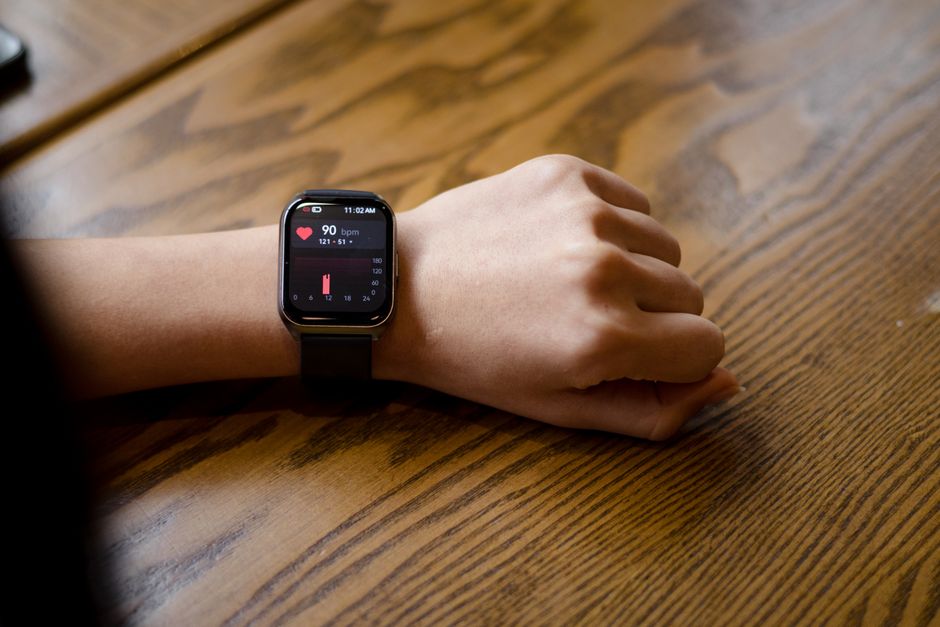
Wearable devices and phone apps that claim to measure breathing rate are increasingly common. The accuracy varies widely by device and by how it is worn. Some are reasonable for tracking trends over time, but they are not a substitute for a manual count or a clinical measurement when accuracy matters.
Why Do People Get This Wrong So Often?
Two reasons. First, many people count for only 15 or 30 seconds and multiply, which magnifies any error. Second, they count while the person knows they are being watched, which changes the breathing.
The fix is simple. Count for a full minute, and do it without the person’s awareness. Those two habits alone make the reading far more reliable.
It also helps to remember that breathing rate is not a fixed number. It shifts throughout the day with activity, emotion, and rest. A single reading is a snapshot. Several readings taken at rest over time give a much clearer picture of what is normal for a given person.
Frequently Asked Questions
How do you take a respiration rate step by step?
Watch the chest or abdomen rise and fall for one full minute while the person rests and does not know you are counting. Count each complete inhale-exhale cycle as one breath, and the total is the respiratory rate in breaths per minute.
What is a normal respiration rate for adults?
A normal resting respiratory rate for adults is 12 to 20 breaths per minute. Rates outside this range at rest may warrant medical attention, especially if breathing looks labored.
Should you count breaths for 30 seconds or a full minute?
A full 60 seconds is more accurate because breathing varies from breath to breath. Counting for 30 seconds and doubling the result is common but less reliable.
Why should you not tell someone you are counting their breaths?
Breathing is partly under voluntary control, so people unconsciously change it when they know it is being watched. Counting while they are unaware gives a truer resting rate.
