
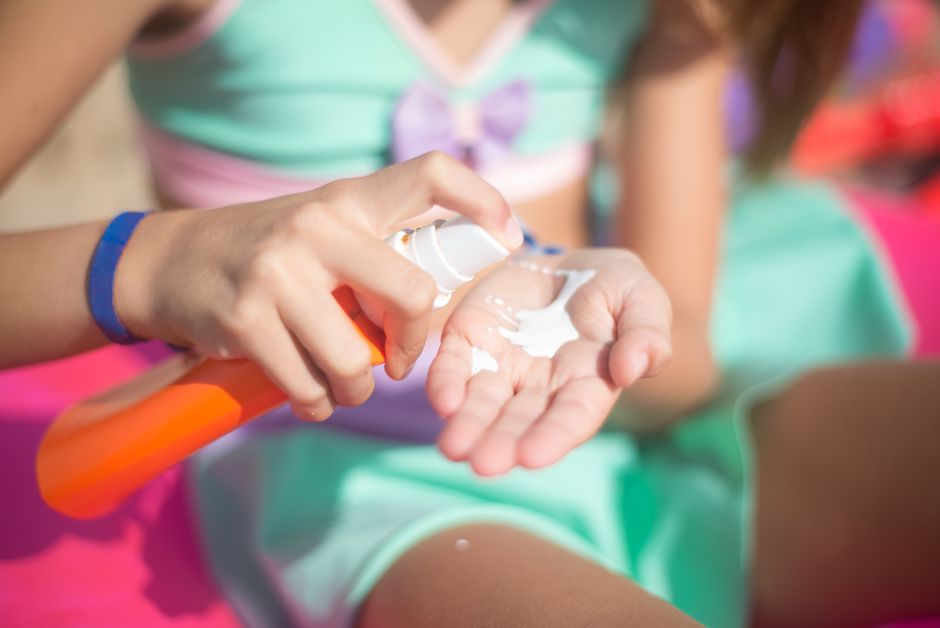
A sunburn that itches is your body’s way of telling you the skin is actively repairing UV damage. The itch is caused by inflammatory chemicals and the shedding of damaged skin cells. To stop it, you need to cool the skin, calm the inflammation, and resist scratching. The most effective first step is a cool compress or a short, cool bath. After that, a fragrance-free moisturizer with aloe vera or soy can help. For stubborn itching, an over-the-counter hydrocortisone cream (1%) or an oral antihistamine like cetirizine (Zyrtec) or loratadine (Claritin) can provide relief. Do not use butter, petroleum jelly, or heavy oils on fresh sunburn — they trap heat and make itching worse.
What Causes the Itch in a Sunburn?
The itching is not random. It is a biological signal. When UV rays damage your skin cells, your immune system responds by sending inflammatory chemicals called cytokines to the area. These chemicals cause redness, swelling, and the sensation of itch.
As the burn heals, the damaged outer layer of skin begins to peel. This peeling is the body shedding dead cells. The physical process of skin flaking away can also trigger itch nerves. The combination of inflammation and peeling is why sunburn itch often peaks two to three days after the burn happens, not on the first day.
Research published in the Journal of Investigative Dermatology has shown that sunburn triggers a specific immune pathway involving a protein called interleukin-31. This protein is directly linked to itch sensation. This is why simply cooling the skin is not always enough — the itch has a chemical driver inside the body.
How Do You Stop A Sunburn From Itching Right Now?
The fastest relief comes from cooling the skin surface. Take a cool — not cold — shower or bath for 10 to 15 minutes. Cold water can shock the skin and make inflammation worse. Cool water lowers skin temperature and reduces blood flow to the area, which calms the itch nerves temporarily.
After the bath, pat your skin dry gently with a soft towel. Do not rub. Rubbing can break blisters and increase irritation. Apply a moisturizer immediately while the skin is still damp. This traps water in the skin and helps repair the moisture barrier. Look for products that contain aloe vera, soy, or colloidal oatmeal. These ingredients have anti-inflammatory properties that directly reduce itching.
If the itch is intense and not responding to cooling and moisturizing, use an over-the-counter hydrocortisone cream. A 1% hydrocortisone cream applied twice daily for no more than three days can significantly reduce inflammation and itch. Do not use it on broken skin or open blisters. For widespread itching, an oral antihistamine like loratadine (10 mg once daily) or cetirizine (10 mg once daily) can help. These medications block histamine, which is one of the chemicals involved in the itch response.
What Makes Sunburn Itch Worse?
Scratching is the number one mistake. Scratching physically damages the already injured skin. It can break blisters, introduce bacteria, and lead to infection. It also triggers more inflammation, which creates a cycle where the itch gets worse the more you scratch.
Heat makes sunburn itch worse. Hot showers, saunas, direct sunlight, and heavy exercise all increase blood flow to the burn. More blood means more inflammatory chemicals reach the area, which intensifies the itch. Stay out of the sun until the burn is fully healed. Wear loose, soft cotton clothing to avoid friction against the skin.
Certain products also make things worse. Petroleum jelly, butter, coconut oil, and heavy creams can trap heat inside the skin. This slows healing and can make the itch last longer. Avoid products with fragrances, alcohol, or menthol. These ingredients can sting and irritate sunburned skin. Stick to fragrance-free, hypoallergenic moisturizers.




What Does Research Say About Sunburn Itch Remedies?
Studies have tested several common remedies. The evidence is strongest for cooling and anti-inflammatory treatments. A 2020 review in American Family Physician confirmed that cool compresses and aloe vera are first-line treatments for sunburn symptoms, including itch. The review noted that aloe vera contains compounds that reduce inflammation and promote healing.
Oral antihistamines have mixed evidence for sunburn itch specifically. They work well for histamine-driven itching, like hives or allergic reactions. But sunburn itch involves multiple inflammatory pathways, not just histamine. Some people get good relief from antihistamines, while others see little change. The CDC and the American Academy of Dermatology both recommend antihistamines as an option, but not as a guaranteed cure.
Hydrocortisone cream has stronger evidence. A study published in Dermatology found that topical corticosteroids reduced sunburn inflammation and itch significantly compared to placebo. The effect was most noticeable when applied within the first 48 hours of the burn. After that, the benefit decreased. This is why timing matters — early treatment works better.
One non-obvious finding: drinking water does not directly stop sunburn itch. Staying hydrated is important for overall healing, but it does not reduce the inflammatory chemicals causing the itch. Do not rely on hydration alone. You need topical or oral anti-inflammatory treatments.
Treatments to Avoid and Why
Some popular remedies are not backed by evidence and can cause harm. Here is a quick comparison of what to use and what to skip.
| Treatment | What It Does | Evidence Level |
|---|---|---|
| Cool compress or bath | Lowers skin temperature, reduces inflammation | Strong — recommended by AAD and CDC |
| Aloe vera gel (pure, fragrance-free) | Anti-inflammatory, moisturizing | Strong — multiple clinical trials |
| Hydrocortisone cream 1% | Reduces inflammation and itch | Strong — effective in first 48 hours |
| Oral antihistamine | Blocks histamine, may reduce itch | Moderate — works for some, not all |
| Petroleum jelly | Traps heat, slows healing | Weak — not recommended for fresh burn |
| Butter or cooking oils | Traps heat, can cause infection | None — dangerous and ineffective |
| Vinegar or baking soda paste | Irritates skin, alters pH | None — can worsen irritation |
Do not use ice directly on sunburn. Ice can cause frostbite on already damaged skin. Use a cool compress or a bag of frozen peas wrapped in a thin towel instead. Do not pop blisters. Blisters are the body’s natural bandage. Popping them increases infection risk and slows healing.
When Should You See a Doctor for Sunburn Itch?
Most sunburn itches resolve within a few days as the skin heals. But some situations need medical attention. If the sunburn covers a large area of your body — more than 20% of your skin — or if you have blisters over a large area, see a doctor. These are signs of a second-degree burn that may need prescription treatment.
Signs of infection include increasing redness, warmth, pus, or red streaks spreading from the burn. Fever, chills, or nausea along with a sunburn can indicate heat exhaustion or sun poisoning. These require medical evaluation. If the itch is so severe that it keeps you awake at night or causes you to scratch until you bleed, a doctor can prescribe stronger medications like a topical steroid or a prescription antihistamine.
People with a history of skin cancer or compromised immune systems should be more cautious. Their skin may heal more slowly, and complications are more likely. If you have any doubt about the severity of your sunburn, it is better to get it checked.
Common Misconceptions About Sunburn Itch
One widespread myth is that sunburn itch means the skin is “healing” and that you should just endure it. While healing is happening, the itch itself is not helpful. It is a side effect of inflammation, not a sign that healing is progressing faster. Treating the itch does not slow healing — it prevents further damage from scratching.
Another myth is that applying yogurt or milk soothes sunburn itch. These can feel cool temporarily, but they introduce bacteria and proteins that can cause allergic reactions or infections on broken skin. There is no clinical evidence that they are effective. Stick to products designed for sensitive skin.
Some people believe that taking a high dose of vitamin C or E supplements will stop sunburn itch. While these vitamins are antioxidants and play a role in skin health, there is no evidence that taking them after a burn reduces itch. The body needs time to repair the damage, and supplements cannot speed that process significantly.
Finally, a common claim is that sunburn itch means the burn is mild and will heal quickly. This is not accurate. The intensity of the itch does not correlate with the severity of the burn. A mild sunburn can be intensely itchy, and a severe sunburn may not itch much at all. Judge the burn by redness, pain, and blistering, not by itch level.
Frequently Asked Questions
Can I use Benadryl cream for sunburn itch?
Benadryl cream contains diphenhydramine, an antihistamine, but it is not recommended for sunburn because it can cause skin irritation and allergic reactions in some people. Oral Benadryl is safer for widespread itching but causes drowsiness.
How long does sunburn itch last?
Sunburn itch typically starts 24 to 48 hours after the burn and lasts for two to three days as the skin peels. With proper treatment, the itch usually resolves within four to five days.
Is it okay to put ice directly on a sunburn?
No, ice directly on sunburn can cause frostbite and further damage the injured skin. Always wrap ice in a thin cloth or use a cool compress instead.
Does aloe vera help sunburn itch or just the pain?
Aloe vera helps both pain and itch because it contains anti-inflammatory compounds that reduce the immune response causing these symptoms. Pure aloe vera gel is more effective than products with added ingredients.
