
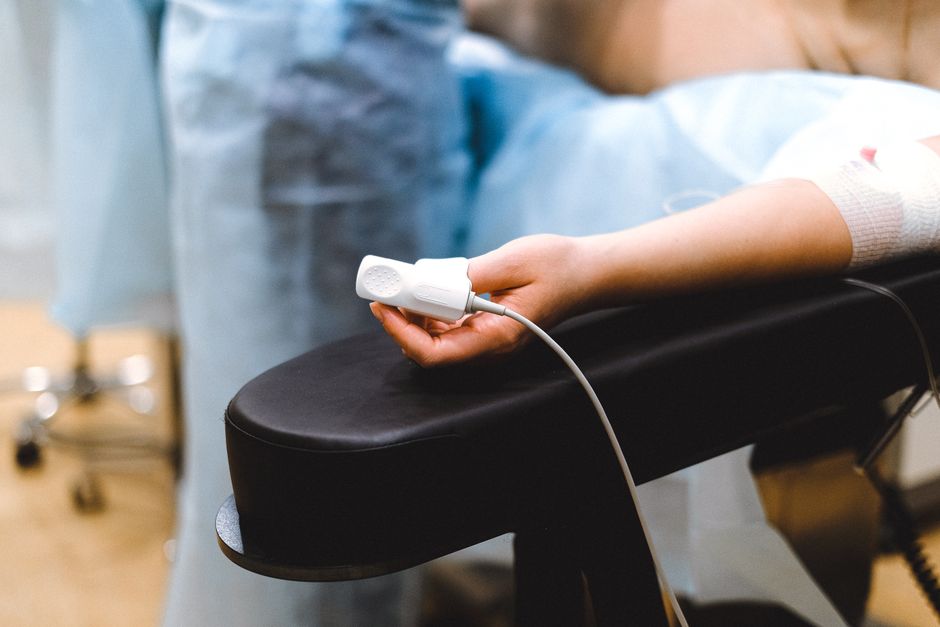
Sterilizing sensors without damaging them requires matching the method to the sensor material. Most home-use sensors, like those in continuous glucose monitors or pulse oximeters, should never touch alcohol or heat. Instead, use a soft, dry cloth or a manufacturer-approved disinfectant wipe with minimal contact. For reusable medical sensors, low-temperature hydrogen peroxide gas or UV-C light are the only options that kill pathogens without harming sensitive electronics. The key is reading the product manual — one wrong wipe can ruin a sensor permanently.
Why Can’t You Just Use Rubbing Alcohol on Sensors?
Alcohol is a common disinfectant for skin and hard surfaces. But it is a poor choice for many sensors because of how it interacts with their materials.
Alcohol is a solvent. It can break down adhesives, soften plastics, and strip protective coatings. Many sensors rely on a thin membrane or gel layer to function. A single alcohol wipe can degrade that layer and change how the sensor reads data.
The CDC states that alcohol requires a certain amount of contact time to fully disinfect — usually 30 seconds to a minute of being wet. Most people wipe and let it dry in seconds. That means you get the damage without the disinfection.
Some sensors, like certain pulse oximeters, have optical lenses. Alcohol can leave a film that scatters light and produces false readings. In short, alcohol is risky and often ineffective for sensor sterilization.
What Methods Are Safe for Sterilizing Sensors?
The safest methods depend on the sensor type. For single-use sensors, like those in glucose monitors, the answer is simple: do not sterilize them. They are designed for one use and one person only.
For reusable sensors, three methods are generally considered safe by device manufacturers:
- UV-C light — Kills bacteria and viruses by damaging their DNA. It does not heat up or wet the sensor. Many hospitals use UV-C cabinets for electronics. The downside is that UV-C can degrade some plastics over repeated exposure, so check the manufacturer’s guidelines.
- Low-temperature hydrogen peroxide vapor — Used in medical settings for delicate equipment. It kills pathogens at low heat (around 50°C) and leaves no residue. This method is not available for home use but is the standard for hospital-grade reusable sensors.
- Dry heat sterilization — Some sensors can tolerate dry heat at lower temperatures (around 60-70°C) for short periods. This is uncommon and only safe if the manufacturer explicitly states it. Most sensors contain electronics that fail above 50°C.
For home use, the most practical approach is a manufacturer-recommended disinfectant wipe with no alcohol or bleach. These wipes are usually based on quaternary ammonium compounds. They kill pathogens without dissolving plastics.
How Do You Sterilize Sensors Without Damaging Them in a Home Setting?
At home, you have fewer options than a hospital. But you can still clean sensors safely if you follow these steps.
First, check the user manual. This sounds obvious, but most people skip it. The manual will tell you exactly what is safe. If you lost the manual, look up the model online. If the manufacturer says nothing about cleaning, assume the sensor is not meant to be cleaned at all.
Second, use a soft, lint-free cloth slightly dampened with water or a mild soap solution. Never soak the sensor. Never submerge it. Wipe gently and let it air dry completely before use.
Third, if the sensor has a protective cover or case, clean that separately. The case can often tolerate alcohol or bleach wipes. The sensor itself should only be touched with dry or barely damp methods.
For continuous glucose monitors (CGMs), the sensor is inserted under the skin. The external transmitter can be wiped with a 70% isopropyl alcohol pad, but only if the manufacturer allows it. Dexcom and Abbott both provide specific cleaning instructions in their manuals. Follow those exactly.


What Does Research Say About UV-C for Sensor Sterilization?
Research on UV-C for sensor sterilization is mixed but generally positive. A 2020 study published in the Journal of Hospital Infection found that UV-C light reduced bacterial contamination on medical electronics by over 99% after 5 minutes of exposure.
However, the same study noted that UV-C does not penetrate shadows or crevices. If the sensor has a complex shape with deep grooves, UV-C may miss some areas. Rotating the sensor during exposure helps.
Another concern is material degradation. A 2019 paper in Polymer Degradation and Stability showed that repeated UV-C exposure caused micro-cracking in polycarbonate plastics. For sensors used daily, this could shorten their lifespan.
For occasional use, UV-C is a reasonable choice. For daily sterilization, it may cause cumulative damage. The best approach is to use UV-C only when the sensor has been exposed to a known pathogen, not as a routine cleaning method.
Comparison of Sterilization Methods for Sensors
| Method | Effectiveness | Risk to Sensor | Home Use |
|---|---|---|---|
| 70% isopropyl alcohol | High if wet for 30+ seconds | High — degrades plastics and adhesives | Only if manufacturer approves |
| UV-C light | High for exposed surfaces | Moderate — can degrade plastics over time | Yes, with care |
| Hydrogen peroxide vapor | Very high | Low | No — hospital only |
| Dry heat (60-70°C) | Moderate | High — can damage electronics | Rarely |
| Quaternary ammonium wipes | High | Low | Yes, if manufacturer approved |
| Soap and water | Moderate | Low if done carefully | Yes, for external surfaces |
Common Misconceptions About Sensor Sterilization
There are many viral claims about sensor cleaning that are not backed by evidence. One common myth is that boiling a sensor will sterilize it. Boiling water reaches 100°C, which will destroy most electronics and melt plastic components. Do not do this.
Another myth is that microwaving a sensor kills germs. Microwaves can cause electrical arcing inside electronics and will almost certainly ruin the sensor. There is no safe way to microwave a sensor.
A third misconception is that bleach wipes are safe for all sensors. Bleach is corrosive. It can eat through metal contacts and degrade rubber seals. Only use bleach if the manufacturer explicitly says it is safe.
Some people believe that leaving a sensor in sunlight for a day will sterilize it. Sunlight contains UV, but the dose is too low and inconsistent to reliably kill pathogens. You would need hours of direct midday sun, which also heats the sensor to damaging levels.
What to Avoid When Cleaning Sensors
Avoid any liquid that can seep into openings. Sensors often have tiny vents or seams. Even a drop of liquid inside can short-circuit the electronics.
Avoid abrasive materials. Paper towels can scratch optical surfaces. Use only soft, lint-free cloths or microfiber wipes.
Avoid compressed air. It can push dust and moisture deeper into the sensor. It also creates static electricity that can damage sensitive components.
Avoid ultrasonic cleaners. These are used for jewelry and some medical tools, but the vibrations can damage delicate sensor internals. They are not safe for most sensors.
Avoid autoclaves. These use high-pressure steam at 121°C or more. Only metal instruments can survive autoclaving. Sensors with plastic, adhesive, or electronic parts will be destroyed.
When Should You Replace a Sensor Instead of Sterilizing It?
Some sensors are not designed to be reused. Single-use sensors should be discarded after one use, no matter how clean they look. The FDA classifies many home-use sensors as single-use devices.
Even reusable sensors have a limited lifespan. If a sensor has been exposed to blood, bodily fluids, or a known infectious agent, replacement is often safer than sterilization. Sterilization methods cannot guarantee 100% pathogen removal on complex surfaces.
If a sensor has visible damage — cracks, discoloration, or loose parts — replace it. Sterilization will not fix physical damage. A damaged sensor can give inaccurate readings or fail completely.
Finally, if you are unsure about the sterilization method, do not guess. Contact the manufacturer directly. Most companies have customer support lines or online resources that provide specific cleaning instructions for their products.
Frequently Asked Questions
Can I use alcohol wipes on my continuous glucose monitor sensor?
Only if the manufacturer explicitly allows it in the user manual. Most CGM sensors should not be wiped with alcohol because it can damage the adhesive and the sensor membrane.
Is UV-C light safe for all types of sensors?
No. UV-C light can degrade some plastics and adhesives over repeated use. It is safe for occasional sterilization but not recommended for daily cleaning of the same sensor.
How do I clean a pulse oximeter without damaging it?
Use a soft, dry cloth or a cloth slightly dampened with water. Never use alcohol or bleach, as they can damage the optical lens and cause inaccurate readings.
Can I boil a sensor to sterilize it?
No. Boiling will destroy most sensors because the heat melts plastic and damages electronics. There is no safe way to boil a sensor.
