
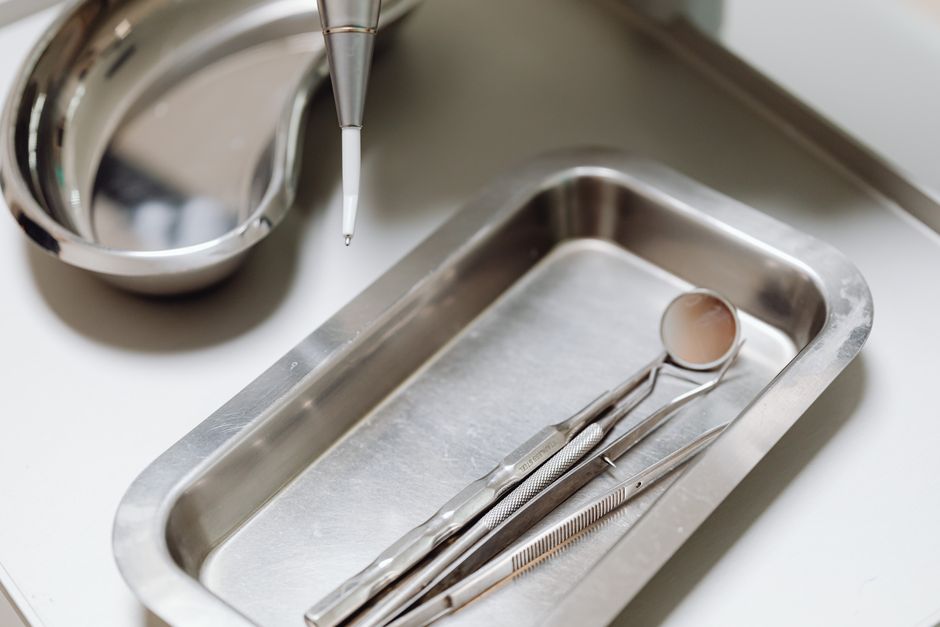
Cleaning and sterilizing a microneedle roller is not optional. It is the single most important step for preventing skin infections. After each use, wash the roller with warm water and a mild soap or a 70% isopropyl alcohol solution. Then soak the roller in 70% isopropyl alcohol for 5 to 10 minutes. Let it air dry completely on a clean paper towel before storing it in its case.
Why Cleaning Your Microneedle Roller Matters
Microneedling creates tiny punctures in your skin. These micro-channels are entry points for bacteria. If the roller is not clean, you push bacteria directly into your skin. This can lead to painful bumps, redness, and serious infections.
Your skin is not the only thing at risk. A dirty roller can also spread viruses, including those that cause cold sores. If you use the roller on an active cold sore, you can spread the virus to other parts of your face. This risk is real and well documented in dermatology.
Think of the roller like a surgical instrument. You would not expect a surgeon to reuse a dirty scalpel. The same standard applies here, even though you are at home.
What You Need: Supplies For Cleaning And Sterilizing
You do not need a lab to clean your roller. You need a few basic items you likely already have.
- 70% isopropyl alcohol — This is the gold standard for sterilizing microneedle rollers. It kills bacteria and viruses effectively without damaging the roller.
- Mild liquid soap — A gentle, fragrance-free dish soap works well. Avoid harsh antibacterial soaps that can leave residue.
- Warm water — Not hot. Boiling water can melt the plastic parts of your roller.
- Clean paper towels — Reusable cloth towels can harbor bacteria. Use fresh paper towels each time.
- Small clean bowl or cup — Use this for the alcohol soak. Make sure it is dedicated to this purpose.
- Your roller’s storage case — This keeps the roller clean after sterilization.
Do not use acetone, bleach, or hydrogen peroxide. These chemicals can corrode the metal needles and damage the roller. The needles are often made of surgical stainless steel or titanium, but the hub and handle are usually plastic.
Step-By-Step: How To Clean And Sterilize A Microneedle Roller
Follow these steps after every single use. Do not skip steps or rush the process.
Step 1: Rinse immediately after use. Hold the roller under warm running water for 30 seconds. This removes blood, serum, and skin cells before they dry and harden. Turn the roller as you rinse to wash all sides of the needles.
Step 2: Wash with soap. Put a drop of mild liquid soap in your palm. Gently roll the microneedle roller back and forth in the soap. Do not scrub hard. You want to dislodge debris, not bend the needles. Rinse thoroughly under warm water for another 30 seconds.
Step 3: Soak in 70% isopropyl alcohol. Place the roller in a small bowl of 70% isopropyl alcohol. Make sure the needles are fully submerged. Leave it for 5 to 10 minutes. This is the sterilization step. It kills bacteria, fungi, and most viruses on contact.
Step 4: Air dry completely. Remove the roller from the alcohol. Shake off excess liquid. Place it on a clean paper towel with the needles facing down. Let it air dry completely. This usually takes 10 to 15 minutes. Do not use a towel to dry it. Rubbing can damage the needles and introduce new bacteria.
Step 5: Store properly. Once dry, place the roller back in its storage case. Keep the case in a cool, dry place. Do not leave the roller exposed on a bathroom counter. Bathrooms are humid and full of airborne bacteria.



How Often Should You Clean Your Microneedle Roller?
Clean and sterilize your roller after every single use. There is no exception to this rule. Even if you only rolled for a few seconds, the roller touched your skin and needs to be cleaned.
Some people clean their roller before use as well. This is a good habit, especially if the roller has been sitting in storage for a while. A quick 5-minute alcohol soak before use adds an extra layer of safety.
If you drop your roller on the floor, clean it immediately. Even if you were not planning to use it, the roller is now contaminated. Do not put it back in its case without cleaning it first.
When To Replace Your Microneedle Roller
Microneedle rollers do not last forever. The needles dull with use. Dull needles tear the skin instead of creating clean punctures. This increases pain, bruising, and the risk of infection.
Most manufacturers recommend replacing your roller every 3 to 6 months. This depends on how often you use it. If you use it weekly, replace it every 3 months. If you use it monthly, every 6 months is reasonable.
Replace your roller immediately if you notice any of these signs:
- Bent or misshapen needles
- Rust or discoloration on the needles
- A rough or snagging sensation when rolling
- A broken or loose handle
Do not try to fix a damaged roller. A bent needle will not straighten properly. It may also tear your skin or break off during use, leaving metal fragments in your skin.
Common Sterilization Mistakes To Avoid
Many people think they are cleaning their roller correctly when they are not. Here are the most common mistakes dermatologists see.
Using boiling water. Boiling water will sterilize, but it will also melt or warp the plastic parts of most rollers. This ruins the roller and can make it unsafe to use. Stick with 70% isopropyl alcohol.
Using 91% or 99% alcohol. Higher concentrations of alcohol evaporate too quickly. They do not stay in contact with the needles long enough to kill bacteria effectively. 70% is the right choice because it stays wet longer and penetrates bacterial cell walls better.
Wiping the roller dry. Wiping with a cloth can bend needles and transfer new bacteria. Always air dry on a clean paper towel.
Skipping the soap wash. Alcohol does not dissolve dried blood or skin cells. You must wash the roller with soap and water first. Alcohol is a sterilizer, not a cleaner.
Storing a wet roller. Moisture promotes bacterial and fungal growth. If you store a damp roller, you undo all your cleaning work. Always ensure it is fully dry.
Can You Share A Microneedle Roller?
No. Never share your microneedle roller with anyone, even family members. Bloodborne pathogens like hepatitis B and C can survive on surfaces for days. Sharing a roller can transmit these viruses.
Even if the other person appears healthy, they may carry a virus without knowing it. The cost of a new roller is far lower than the cost of treating a bloodborne infection. Treat your roller like a toothbrush. It is personal equipment only.
What About Disposable Microneedle Options?
If cleaning your roller feels like too much work or risk, consider disposable alternatives. Single-use microneedle pens and stamps are available. These are used once and discarded. They eliminate the risk of improper sterilization entirely.
Some dermatologists prefer disposable options for this reason. They argue that home sterilization is never as reliable as professional autoclaving. If you have sensitive skin, a compromised immune system, or a history of skin infections, disposable options may be safer for you.
Disposable options cost more per use. But the peace of mind may be worth it. Talk to your dermatologist about what makes sense for your skin type and your comfort level.
Frequently Asked Questions
Can I use boiling water to sterilize my microneedle roller?
No. Boiling water can melt the plastic parts of the roller and damage the needles. Use 70% isopropyl alcohol instead.
How long should I soak my microneedle roller in alcohol?
Soak the roller in 70% isopropyl alcohol for 5 to 10 minutes. This is enough time to kill bacteria and most viruses.
How often should I replace my microneedle roller?
Replace your roller every 3 to 6 months depending on how often you use it. Replace it sooner if you see bent needles or rust.
Is it safe to share a microneedle roller with my partner?
No. Sharing a roller can transmit bloodborne viruses like hepatitis B and C. Each person needs their own device.
