
Peripheral neuropathy is spelled P-E-R-I-P-H-E-R-A-L N-E-U-R-O-P-A-T-H-Y. The word “peripheral” means outer or distant, and “neuropathy” means disease or damage of the nerves. Together, the term describes damage to the nerves outside your brain and spinal cord.
If you are living with this condition, you already know the burning, tingling, or numbness that comes with it. You are not imagining it. The symptoms are real, and they deserve real answers.
What Does Peripheral Neuropathy Actually Mean?
The peripheral nervous system is the network of nerves that runs from your spinal cord out to your arms, legs, hands, feet, and organs. These nerves carry signals between your brain and the rest of your body. When they are damaged, those signals get disrupted.
Think of it like a phone line with static. The message still tries to get through, but it arrives garbled. That garbling is what causes the tingling, burning, and numbness that people with neuropathy experience.
Peripheral neuropathy is not a single disease. It is a term for a group of conditions that all involve damage to these nerves. There are more than 100 known causes, though a few account for most cases.
The symptoms usually start in the feet and hands. This pattern is called a “stocking-glove” distribution because it affects the areas where a stocking or glove would sit. This happens because the longest nerves in your body are the ones that reach your feet and hands, and they are often the first to show damage.
How Do You Spell Peripheral Neuropathy and Why Does the Spelling Matter?
Knowing the correct spelling matters more than you might think. If you are searching for information online, typing “peripheral neuropathy” correctly helps you find reliable medical sources instead of scattered results.
The word breaks down into two parts:
- Peripheral — P-E-R-I-P-H-E-R-A-L — meaning situated on the outside or edges
- Neuropathy — N-E-U-R-O-P-A-T-H-Y — from “neuro” (nerve) and “pathy” (disease)
Common misspellings include “periferal,” “periphreal,” and “neuropothy.” If you have been searching with these spellings, you may have missed helpful resources. The correct spelling is worth getting right when you are looking for medical information or talking with your doctor.
You may also see it abbreviated as PN in medical settings. Some clinicians use the full term “peripheral neuropathy” while others just say “neuropathy” when the context is clear.
What Causes Peripheral Neuropathy?
Diabetes is the most common cause in the United States. High blood sugar over time damages nerves throughout the body. This is called diabetic neuropathy, and it affects a large number of people with diabetes.
Other established causes include:
- Chemotherapy medications, which can damage peripheral nerves as a side effect
- Vitamin B12 deficiency, which impairs nerve function
- Excessive alcohol use, which can lead to nutritional deficiencies and direct nerve damage
- Certain infections, including HIV and hepatitis C
- Autoimmune conditions where the immune system attacks nerve tissue
- Genetic conditions such as Charcot-Marie-Tooth disease
- Kidney disease, liver disease, and thyroid disorders
- Physical injury or compression, such as carpal tunnel syndrome
In some cases, no cause is ever identified. This is called idiopathic neuropathy, and it can be frustrating for both patients and doctors.
One thing worth clarifying: not all numbness or tingling in the feet is neuropathy. Poor circulation, spinal problems, and other conditions can produce similar symptoms. A proper diagnosis matters because the treatment approach differs depending on the cause.





What Are the Symptoms of Peripheral Neuropathy?
Symptoms depend on which nerves are affected. The peripheral nervous system includes sensory nerves, motor nerves, and autonomic nerves. Each type produces different symptoms when damaged.
Sensory nerve damage typically causes:
- Tingling or “pins and needles” sensations
- Burning pain, especially at night
- Numbness or reduced ability to feel temperature or pain
- Sharp, stabbing, or electric-shock-like pain
- Loss of coordination or balance
Motor nerve damage can lead to muscle weakness, difficulty with fine motor tasks like buttoning a shirt, and muscle cramps or twitching.
Autonomic nerve damage affects functions you do not consciously control. This can include changes in blood pressure, digestion problems, bladder issues, and excessive sweating or inability to sweat.
For many people, symptoms are worst at night. This is partly because there are fewer distractions, but research also suggests that nerve pain signals may be processed differently during sleep. Whatever the reason, it is a common and very real complaint.
How Is Peripheral Neuropathy Diagnosed?
Diagnosis starts with your medical history and a physical exam. Your doctor will ask about your symptoms, when they started, and whether anything makes them better or worse. They will check your reflexes, muscle strength, and ability to feel vibration, temperature, and light touch.
If neuropathy is suspected, your doctor may order blood tests to check for diabetes, vitamin deficiencies, thyroid problems, and other possible causes. Finding the underlying cause is important because treating it may slow or stop further nerve damage.
In some cases, a nerve conduction study or electromyography (EMG) is used. These tests measure how well your nerves carry electrical signals. They can help confirm the diagnosis and determine the type and severity of nerve damage.
A skin biopsy may be done in certain situations. This involves removing a small sample of skin to count nerve endings. It is more commonly used when standard tests do not give a clear answer.
Can Peripheral Neuropathy Be Treated?
Treatment depends on the cause. When an underlying condition can be addressed — such as controlling blood sugar in diabetes or correcting a vitamin deficiency — doing so may prevent further damage. In some cases, it can lead to improvement. Complete reversal is uncommon, especially when nerve damage has been present for a long time.
For symptom relief, several approaches are used:
- Medications — Certain antidepressants, anti-seizure drugs, and topical treatments are commonly prescribed for nerve pain. These do not heal nerves but can reduce pain signals.
- Physical therapy — Can help with balance, strength, and mobility, especially if weakness or coordination problems are present.
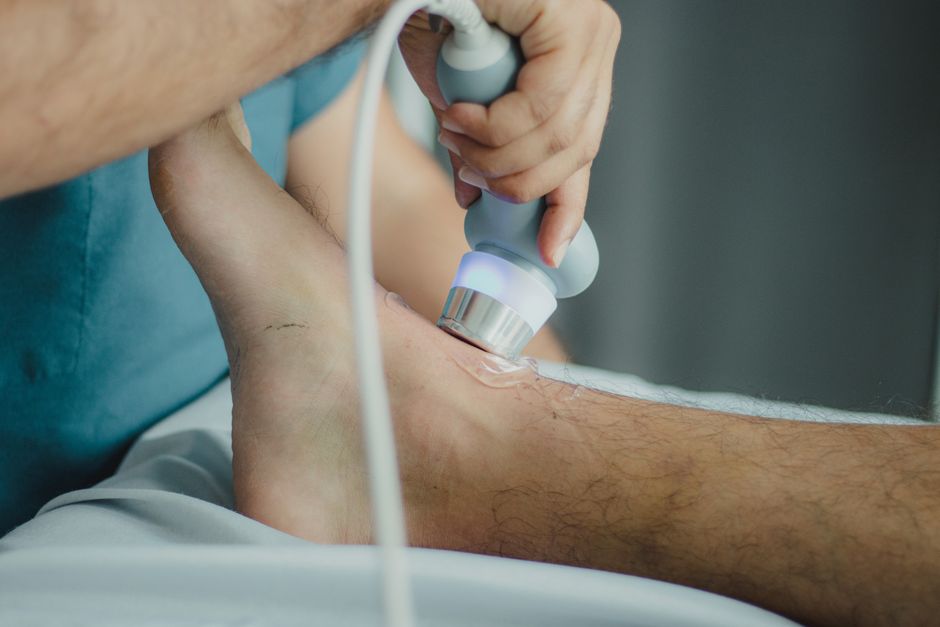
- Transcutaneous electrical nerve stimulation (TENS) — Some people find this helpful, though evidence for its effectiveness in neuropathy is mixed.
- Pain management — For severe cases, referral to a pain specialist may be appropriate.
It is important to know that no treatment currently reverses nerve damage in most forms of peripheral neuropathy. Some supplements are marketed for nerve health, but the evidence for most of them is limited. Alpha-lipoic acid has been studied for diabetic neuropathy, and some research suggests it may help with symptoms. However, results are not consistent, and it is not a cure.
If you are considering any supplement or alternative treatment, talk with your doctor first. Some can interact with medications or affect blood sugar.
What Does the Future Hold for Someone With Neuropathy?
The course of peripheral neuropathy varies widely. Some people have mild symptoms that stay stable for years. Others experience progressive worsening. It depends on the cause, how early it is identified, and whether the underlying condition can be managed.
Falls are a serious concern for people with neuropathy, especially when balance and sensation in the feet are affected. Taking steps to reduce fall risk — such as removing tripping hazards at home and using good lighting — is a practical way to stay safe.
Regular foot checks are important too. Because neuropathy can reduce your ability to feel injuries, a small cut or blister can go unnoticed and become infected. Checking your feet daily and seeing a podiatrist regularly can help prevent complications.
Living with chronic nerve pain is hard. It affects sleep, mood, and quality of life. If you are struggling, tell your doctor. There are treatments that can help with symptoms, even if they do not cure the condition. You deserve support, and you are not alone in this.
Frequently Asked Questions
How do you spell peripheral neuropathy correctly?
It is spelled P-E-R-I-P-H-E-R-A-L N-E-U-R-O-P-A-T-H-Y. The most common mistake is misspelling “peripheral” as “periferal” or “neuropathy” as “neuropothy.”
What is the main cause of peripheral neuropathy?
Diabetes is the most common cause in the United States. Other frequent causes include chemotherapy, vitamin deficiencies, alcohol use, and certain infections.
Can peripheral neuropathy be reversed?
In most cases, nerve damage cannot be fully reversed. However, treating the underlying cause may slow or stop further damage, and symptoms can often be managed with medication and other treatments.
Is peripheral neuropathy the same as nerve damage?
Peripheral neuropathy is a type of nerve damage that affects the nerves outside the brain and spinal cord. Not all nerve damage is peripheral neuropathy, but all peripheral neuropathy involves nerve damage.
