
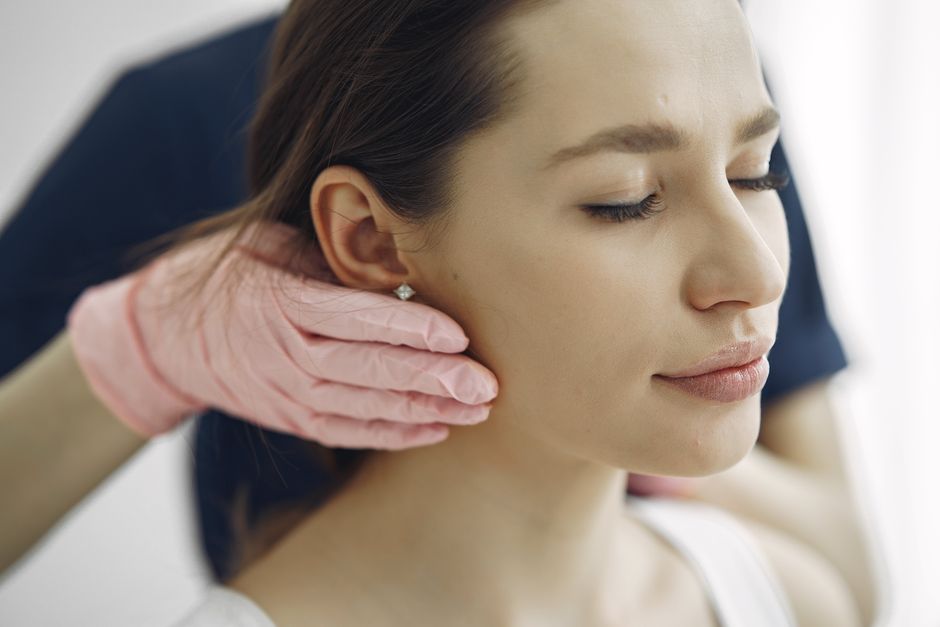
An earache is pain in or around the ear, and how you soothe it depends entirely on what is causing it. For most healthy adults and older children, the answer starts with pain relief and watching for warning signs. For babies, young children, and anyone with a fever, fluid draining from the ear, or sudden hearing loss, the answer starts with a call to a doctor. The steps below explain what helps, what does not, and when an earache needs medical care.
What Usually Causes an Earache?
Most earaches come from one of a few well-understood problems. Knowing which one you are dealing with changes what actually helps.
The most common cause in young children is a middle ear infection, also called acute otitis media. This happens when fluid builds up behind the eardrum and becomes infected, usually during or after a cold. The eustachian tube — the small channel connecting the middle ear to the back of the throat — swells and stops draining properly. In children this tube is shorter and more horizontal than in adults, which is one reason ear infections are far more common in kids.
In adults and older children, ear pain often comes from somewhere else entirely. The nerve supply to the ear is shared with the throat, jaw, and teeth, so a sore throat, a dental problem, or jaw joint pain can be felt as ear pain. This is called referred pain, and the ear itself may be perfectly normal.
Other causes include:
- Swimmer’s ear — an infection of the skin of the ear canal, often after water exposure
- Pressure changes from flying or diving, which can cause temporary pain
- Earwax that has become hard and blocked the canal
- An object or cotton swab injury in the canal
- Jaw problems, including temporomandibular joint disorders
Because the causes are so different, the same remedy will not work for all of them. Putting drops in an ear with a hole in the eardrum, for example, can cause harm. That is why identifying the cause matters before treating.
How Do You Soothe An Earache at Home?
For mild ear pain in a healthy adult or older child, over-the-counter pain relievers are the mainstay. Acetaminophen and ibuprofen are both effective for ear pain, and ibuprofen also reduces inflammation. Follow the label directions for dosing, and check with a pharmacist or doctor if you take other medications or have liver, kidney, or stomach conditions.
A warm compress held against the ear can ease discomfort. So can sitting upright rather than lying flat, which reduces pressure in the middle ear. These measures do not treat an infection, but they can make the wait for a doctor’s visit more comfortable.
What does not help: cotton swabs, which can push wax deeper and scratch the canal. Hydrogen peroxide or olive oil drops are sometimes recommended for wax blockage, but they should not be used if you suspect an infection or a perforated eardrum. Do not put anything in the ear if fluid or pus is draining out.
For children, the same principles apply, but the threshold for seeing a doctor is lower. A child who is inconsolable, running a fever, or pulling at one ear repeatedly needs to be evaluated rather than treated at home.
When Should You See a Doctor for an Earache?
Some earaches need medical attention the same day. Others can wait a day or two. The difference usually comes down to age, symptoms, and how long the pain has lasted.
Seek care promptly if any of the following apply:
- Your child is under 6 months old with any ear pain
- There is a fever, especially in a young child
- Fluid, pus, or blood is draining from the ear
- Hearing has dropped suddenly
- The pain is severe or getting worse
- There is swelling, redness, or tenderness behind the ear
- Symptoms have lasted more than two or three days without improving
- You have a weakened immune system or a chronic condition
Swelling or redness behind the ear is uncommon but worth taking seriously. It can signal a deeper infection that needs urgent treatment.
In many cases, especially in older children and adults, a doctor may recommend watchful waiting rather than antibiotics. This is because many middle ear infections clear on their own, and antibiotics carry risks including side effects and the development of resistant bacteria. Antibiotics are more likely to be prescribed for young children, for severe symptoms, or when the infection does not improve.





Does Anything Actually Prevent Earaches?
You cannot prevent every earache, but some causes are more avoidable than others.
For middle ear infections in children, breastfeeding during infancy is associated with a lower risk. So is avoiding exposure to secondhand smoke, which irritates the eustachian tube. Keeping children up to date on recommended vaccines, including the pneumococcal and flu vaccines, is linked to fewer ear infections. These are associations supported by public health guidance, not guarantees.
For swimmer’s ear, keeping the ear canals dry matters. After swimming, tilting the head to let water drain and drying the outer ear with a towel can help. Do not insert cotton swabs into the canal. Some clinicians recommend a homemade mixture of equal parts rubbing alcohol and white vinegar as ear drops after swimming, but this should only be used in people without ear tubes, a perforated eardrum, or active infection. Ask a doctor before trying it.
For pressure-related ear pain during flights, swallowing, yawning, or chewing gum during takeoff and landing can help equalize pressure. For infants, feeding during takeoff and landing serves the same purpose.
For earwax blockage, the best prevention is simply not using cotton swabs. The ear canal is largely self-cleaning, and most people do not need to remove wax at all.
What About Ear Drops and Home Remedies?
Ear drops are not one thing. They are several very different products, and using the wrong one can make things worse.
Prescription antibiotic drops are used for swimmer’s ear and some other canal infections. They are not effective for middle ear infections, because the drug cannot reach the middle ear through the eardrum. Over-the-counter drops marketed for ear pain often contain a numbing agent, and some clinicians question whether they provide meaningful relief beyond a short period. They should not be used if the eardrum may be perforated.
Home remedies that circulate online — including garlic oil, onion juice, breast milk, and hydrogen peroxide — have little to no clinical evidence supporting them for ear infections. Some, like hydrogen peroxide, can irritate already inflamed tissue. None of these are substitutes for medical evaluation when one is needed.
Ear candling, which involves placing a lit hollow cone in the ear, has no proven benefit and carries a real risk of burns and injury. It is not recommended by any major medical organization.
What Happens If an Earache Is Not Treated?
Many earaches resolve without treatment. Some do not, and the consequences depend on the cause.
Untreated middle ear infections can lead to a perforated eardrum, which often heals on its own but sometimes requires surgical repair. Persistent fluid behind the eardrum can cause temporary hearing loss, which matters most in young children who are still developing speech and language. In rare cases, infection can spread to nearby structures, including the mastoid bone behind the ear or, very rarely, into the brain.
Untreated swimmer’s ear can worsen and, in people with diabetes or weakened immune systems, become a serious condition called malignant otitis externa. This is uncommon but serious, and it is one reason ear pain in someone with diabetes should not be ignored.
This is not meant to alarm. Most earaches are minor and resolve. The point is that “wait and see” is a reasonable approach in many cases, but only when the symptoms are mild, the person is otherwise healthy, and there is a plan to follow up if things do not improve.
The Bottom Line
Soothe a mild earache with over-the-counter pain relievers, a warm compress, and upright positioning. Do not put anything in the ear if there is drainage or a possible eardrum perforation. See a doctor promptly for ear pain in an infant, any fever with ear pain, hearing loss, severe or worsening pain, or symptoms that last more than a few days. The cause determines the treatment, and guessing wrong can delay the right care.
Frequently Asked Questions
How long does an earache usually last?
Many mild earaches improve within two to three days, and middle ear infections often clear on their own within a week. Pain that lasts longer, gets worse, or comes with fever or hearing loss should be checked by a doctor.
Can I put olive oil in my ear for an earache?
Olive oil is sometimes used for earwax blockage, but it is not a treatment for infection and should not be used if you suspect a perforated eardrum or have fluid draining from the ear. Ask a doctor before using any drops.
When should I take my child to the doctor for an earache?
Take a child under 6 months old to a doctor for any ear pain, and take an older child if there is fever, drainage from the ear, severe pain, or symptoms lasting more than two or three days. A child who is inconsolable or pulling at the ear repeatedly should also be seen.
Do ear infections always need antibiotics?
No. Many middle ear infections clear without antibiotics, and doctors often recommend watchful waiting for older children and adults with mild symptoms. Antibiotics are more likely for young children, severe symptoms, or infections that do not improve.
