
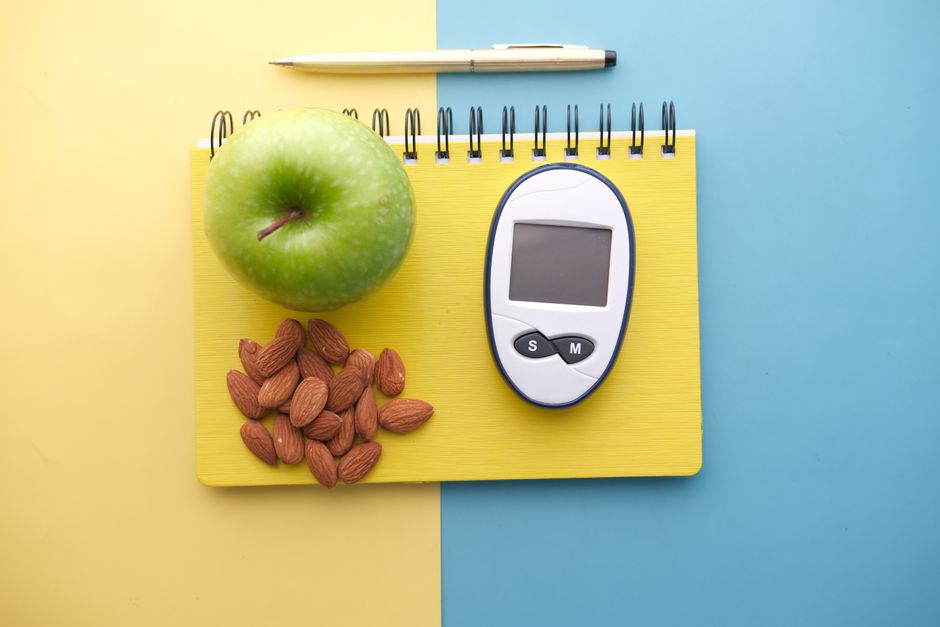
Low blood sugar, or hypoglycemia, happens when the glucose in your blood drops below the normal range. For most people, that means below 70 mg/dL. When it happens, you might feel shaky, sweaty, confused, or dizzy. The fastest way to fix it is to eat or drink 15 grams of fast-acting carbohydrates, wait 15 minutes, and check your blood sugar again. If it is still low, repeat that step. To prevent drops from happening in the first place, you need to eat balanced meals regularly, manage your medication carefully, and understand what triggers your blood sugar to fall.
What Does Low Blood Sugar Feel Like?
Hypoglycemia symptoms can come on quickly. The most common early signs include shakiness, sweating, a rapid heartbeat, and feeling anxious or irritable. Many people also report feeling hungry, weak, or tired. Some people get a headache or have trouble concentrating.
These symptoms happen because your brain and body rely on glucose for fuel. When levels drop, your body releases hormones like adrenaline to try to raise them. That adrenaline rush is what causes the shaking and sweating. Recognizing these signs early is the first step to stabilizing your blood sugar quickly.
Severe low blood sugar is more dangerous. It can cause confusion, slurred speech, blurred vision, seizures, or loss of consciousness. If you or someone else experiences these symptoms, that is a medical emergency. Do not try to give food or drink to someone who is unconscious. Call emergency services immediately.
What Causes Blood Sugar to Drop?
For people with diabetes, low blood sugar is most often caused by too much insulin or other glucose-lowering medication. Skipping a meal, eating less than usual, or exercising more than normal can also trigger a drop. Alcohol is another common cause, especially when consumed without food. It can block the liver from releasing stored glucose.
For people without diabetes, low blood sugar is less common but still possible. It can happen after a very heavy meal, when the body overproduces insulin in response. This is called reactive hypoglycemia. It can also be caused by certain medications, heavy alcohol use, severe illness, or hormonal deficiencies. In some cases, no clear cause is found.
Understanding your specific triggers matters. If you have diabetes, your medication timing and dose are the biggest factors. If you do not have diabetes, your eating patterns and meal composition are more likely to be involved. Keeping a log of your symptoms and what you ate beforehand can help you identify your personal patterns.
How To Stabilize Low Blood Sugar And Prevent Drops: The 15-15 Rule
The standard treatment for mild hypoglycemia is called the 15-15 rule. You consume 15 grams of fast-acting carbohydrates, wait 15 minutes, and then recheck your blood sugar. If it is still below 70 mg/dL, you repeat the process. Once your blood sugar is back in a safe range, you should eat a small snack that contains protein or complex carbohydrates to keep it stable.
Fast-acting carbohydrates are foods that raise blood sugar quickly. Good options include:
- 4 ounces (about half a cup) of fruit juice or regular soda
- 1 tablespoon of sugar, honey, or corn syrup
- 3 to 4 glucose tablets
- 5 to 6 hard candies, chewed and swallowed
- 1 tube of glucose gel
Not all carbs are equal in a hypoglycemia emergency. Foods with fat or protein, like chocolate bars or ice cream, slow down sugar absorption. They are not ideal for treating an active low. Stick to simple sugars that digest quickly. After you recover, then eat a balanced snack to prevent another drop.
If you take insulin, you may need a glucagon kit for severe lows. Glucagon is a hormone that raises blood sugar. It is given as an injection or nasal spray. Family members and close friends should know how to use it. Talk to your doctor about whether a glucagon kit is right for you.





How To Prevent Low Blood Sugar Before It Starts
Prevention is about consistency and planning. For people with diabetes, the most important step is matching your medication to your food intake and activity level. This requires regular blood sugar monitoring. Checking your levels before meals, after meals, and before bed helps you see patterns and adjust accordingly.
Eating regular meals and snacks is another key strategy. Going too long without eating is a common trigger. Most people do well with three meals and one or two snacks spread evenly through the day. The goal is to avoid long gaps where blood sugar can fall.
Meal composition matters as much as timing. Meals that combine carbohydrates with protein and healthy fat are absorbed more slowly. This produces a steadier rise in blood sugar rather than a spike and crash. For example, pairing an apple with peanut butter is better than eating the apple alone. Brown rice with chicken and vegetables is better than white rice alone.
Exercise requires extra attention. Physical activity uses glucose, which can cause blood sugar to drop during or after your workout. Check your blood sugar before exercising. If it is below 100 mg/dL, eat a small snack first. You may also need a snack during longer workouts. After intense exercise, your blood sugar can continue to drop for hours, so monitoring afterward is important.
Alcohol and Blood Sugar: A Hidden Risk
Alcohol can cause low blood sugar hours after you drink. This is especially true for people with diabetes. The liver normally stores glucose and releases it when needed. Alcohol interferes with that process. If you drink on an empty stomach, your blood sugar can fall dangerously low, sometimes while you sleep.
If you choose to drink, do so with food. Never drink on an empty stomach. Check your blood sugar before bed after drinking and again in the middle of the night if you are able. Wear a continuous glucose monitor if you have one. It can alert you to a low while you sleep.
Reactive hypoglycemia from alcohol is also possible in people without diabetes, though it is less common. The key prevention is the same: never drink without eating.
What To Do If You Wake Up With Low Blood Sugar
Nighttime hypoglycemia is a real concern for people on insulin. It can happen if your evening dose was too high, you skipped a bedtime snack, or you were more active than usual during the day. Symptoms during sleep include nightmares, sweating, and waking up with a headache or feeling tired.
If you wake up low, treat it immediately with the 15-15 rule. After your blood sugar recovers, eat a small snack with protein and complex carbs to carry you through the rest of the night. Something like a few crackers with cheese or half a sandwich works well.
Talk to your doctor about nighttime lows if they happen more than once or twice. Your medication dose or timing may need adjustment. A bedtime snack might also help. The goal is to find a pattern that keeps your blood sugar stable through the night.
When To See a Doctor
Occasional mild lows can often be managed on your own. But you should see a doctor if you have frequent episodes, severe lows that require help from others, or if you do not feel the symptoms of hypoglycemia until your blood sugar is dangerously low. This last condition is called hypoglycemia unawareness. It is more common in people who have had diabetes for many years.
If you do not have diabetes but suspect you have reactive hypoglycemia, keep a detailed record of your symptoms, what you ate, and when symptoms occurred. Bring this to your doctor. They may recommend a glucose tolerance test to see how your body handles sugar over several hours.
No one should live in constant fear of low blood sugar. With the right tools and habits, most people can prevent drops and treat them quickly when they happen. If your current approach is not working, seek medical advice. There are many strategies to try, and what works for one person may not work for another.
Frequently Asked Questions
How quickly does the 15-15 rule work?
Most people feel better within 15 minutes of eating 15 grams of fast-acting carbohydrates. If your blood sugar is still below 70 mg/dL after 15 minutes, repeat the treatment.
Can low blood sugar happen without diabetes?
Yes, it can happen, though it is less common. Reactive hypoglycemia after a heavy meal is one example, but other causes include certain medications, alcohol, and hormonal disorders.
What is the best snack to prevent low blood sugar at night?
A snack that combines protein and complex carbohydrates works best, such as crackers with cheese or half a peanut butter sandwich. This combination digests slowly and helps keep blood sugar stable through the night.
Is a continuous glucose monitor worth it for preventing lows?
For people with diabetes who have frequent lows or hypoglycemia unawareness, a continuous glucose monitor can be very helpful. It alerts you to dropping blood sugar before symptoms start, giving you time to act.
