
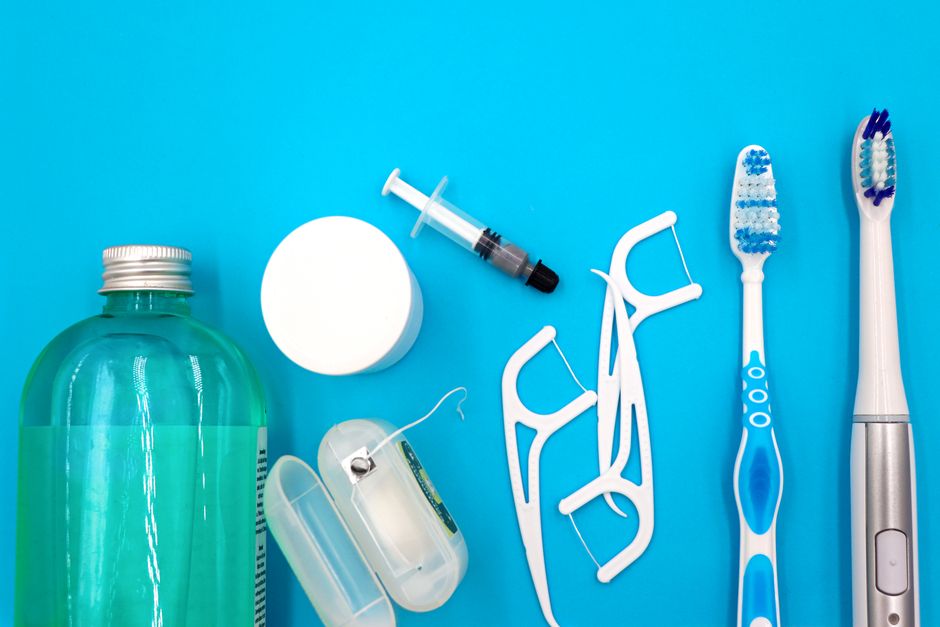
Your gums do not need a complicated routine. They need the right daily habits done consistently: brushing gently twice a day with fluoride toothpaste, cleaning between your teeth once a day, and getting a professional check and cleaning on a regular schedule. Everything else is secondary.
Gum disease is one of the most common conditions in adults, and it usually starts silently. Early gum inflammation can exist with no pain at all. That is why daily habits matter more than occasional effort — by the time gums hurt or bleed heavily, damage may already be underway.
What Actually Causes Gum Problems?
Gum disease is caused by plaque, a sticky film of bacteria that forms on teeth constantly. When plaque sits along the gumline, the bacteria trigger an immune response. Your gums become inflamed: red, swollen, and prone to bleeding.
This early stage is called gingivitis. It is reversible. Remove the plaque regularly and thoroughly, and the gums can return to normal.
If plaque stays, it hardens into tartar, also called calculus. Tartar cannot be brushed away — it needs professional removal. Once tartar forms below the gumline, inflammation can progress to periodontitis. At that stage, the tissues and bone that hold teeth in place begin to break down. This damage is not reversible with brushing alone.
Several factors make gum problems more likely. Smoking is one of the strongest. It also masks the warning sign of bleeding, because it reduces blood flow to the gums. Diabetes, especially when blood sugar is poorly controlled, raises risk. So do some medications that cause dry mouth, hormonal changes, and a genetic tendency toward inflammation.
One point worth clarifying: bleeding gums are not normal, and they are not caused by brushing “too much.” In most cases, bleeding is a sign of inflammation. The fix is usually more careful cleaning, not less.
How To Protect Your Gums Daily Habits That Work?
Four habits do most of the work. Together they remove plaque before it can cause damage.
Brush twice a day with fluoride toothpaste. Use a soft-bristled brush. Angle it about 45 degrees toward the gumline so the bristles reach the space where the tooth meets the gum. Use short, gentle strokes. Pressing hard does not clean better — it can wear down enamel and irritate gums.
Clean between your teeth once a day. A toothbrush cannot reach the surfaces between teeth. This is where gum disease often begins. Dental floss, interdental brushes, or water flossers all work. Interdental brushes tend to remove plaque well for people with spaces between teeth. If you use floss, curve it gently around each tooth and slide it under the gumline rather than snapping it in.
Use an antibacterial or fluoride mouthwash only if it adds value. Mouthwash does not replace brushing or flossing. Some rinses, including those with fluoride or antibacterial ingredients, can add benefit for certain people. Ask a dentist whether one makes sense for you.
See a dentist for professional cleaning on a regular schedule. Plaque that has hardened into tartar cannot be removed at home. Professional cleaning removes it. For most people with healthy gums, a check and cleaning every six months is common practice, though the right interval depends on your individual risk. People with a history of gum disease may need more frequent visits.
- Brush gently, twice daily, with fluoride toothpaste
- Clean between teeth once a day
- Do not skip dental cleanings
- Replace your toothbrush every few months or when bristles fray
What Is the Best Way to Brush for Gum Health?
Technique matters more than force. Most gum damage from brushing comes from scrubbing too hard with a hard-bristled brush, especially along the gumline.
Hold the brush at roughly a 45-degree angle to the gumline. Move it in small circular or back-and-forth motions, one or two teeth at a time. Cover the outer surfaces, the inner surfaces, and the chewing surfaces. For the inside of front teeth, tilt the brush vertically.
Spend about two minutes total. Many people brush for far less. An electric toothbrush can help if you tend to brush too hard, since many models have pressure sensors and timers.
What about timing? Brushing right after eating acidic food or drink can wear enamel while it is temporarily softened. Waiting a short while, or rinsing with water first, is a reasonable habit. This is a practical precaution rather than a fixed rule.





Does Flossing Really Matter, or Is It Optional?
Cleaning between teeth is not optional for gum health. It is one of the two core habits, alongside brushing.
The evidence on flossing specifically is mixed, and that has caused confusion. Some studies show modest benefit; others are less clear. Part of the problem is that flossing studies are hard to run well, and people often do not floss correctly or consistently. What is well established is that plaque between teeth contributes to gum inflammation, and that cleaning those spaces reduces it.
If flossing is difficult, alternatives exist. Interdental brushes reach between teeth and around braces or bridges. Water flossers can help people who struggle with string floss. The best method is the one you will actually use every day.
Which Habits Make Gum Problems Worse?
Some daily choices work against your gums. Knowing them helps you avoid undoing the good habits.
Smoking and vaping. Smoking is a leading risk factor for gum disease. It reduces blood flow, weakens the gum tissue’s ability to heal, and hides the bleeding that would otherwise warn you something is wrong.
Poor blood sugar control. Diabetes and gum disease feed each other. High blood sugar raises the risk of gum disease, and gum inflammation can make blood sugar harder to control.
Dry mouth. Saliva helps wash away food and bacteria. Many medications cause dry mouth. If yours does, talk to a dentist or doctor about options.
Skipping dental visits. Gum disease often has no pain in its early stages. Regular checkups catch problems before they cause lasting damage.
Grinding or clenching. This can stress the gums and the supporting structures of the teeth. A dentist can often spot the signs.
When Should You See a Dentist?
See a dentist if your gums bleed when you brush or floss, if they look red or swollen, if they pull away from your teeth, or if you have persistent bad breath. Loose teeth and changes in how your teeth fit together are later signs that need prompt attention.
Do not wait for pain. Gum disease is usually painless until it is advanced. Routine visits are how early problems get caught.
If you have risk factors — smoking, diabetes, a family history of gum disease, or a current diagnosis — your dentist may recommend more frequent cleanings. Follow that guidance rather than a fixed schedule.
Can Diet and Lifestyle Support Gum Health?
Diet plays a supporting role, not a leading one. No food replaces brushing, flossing, or professional cleaning.
A balanced diet supports the immune system, which manages inflammation. Limiting sugary snacks and drinks reduces the fuel that feeds plaque bacteria. Drinking water, especially after meals, helps rinse the mouth.
Vitamin C and other nutrients are involved in gum tissue health, but deficiency is uncommon in people eating a varied diet. Taking supplements without a diagnosed deficiency is not shown to improve gum health. If you suspect a deficiency, ask a doctor rather than self-treating.
There is no proven “gum health” supplement or rinse that substitutes for mechanical plaque removal. Be cautious of products marketed as cures.
Frequently Asked Questions
How often should I brush and floss to protect my gums?
Brush twice a day with fluoride toothpaste and clean between your teeth once a day. Consistency matters more than doing it perfectly.
Why do my gums bleed when I brush?
Bleeding usually means your gums are inflamed from plaque buildup, not that you are brushing too hard. If bleeding continues after a week or two of gentle, thorough cleaning, see a dentist.
Can gum disease be reversed?
Early gum disease, called gingivitis, can be reversed with good daily care and professional cleaning. Advanced gum disease, called periodontitis, causes tissue and bone loss that cannot be reversed but can be managed and slowed with treatment.
Is mouthwash necessary for healthy gums?
No. Mouthwash can add benefit for some people but does not replace brushing or cleaning between teeth. Ask your dentist whether a specific rinse is useful for you.
