
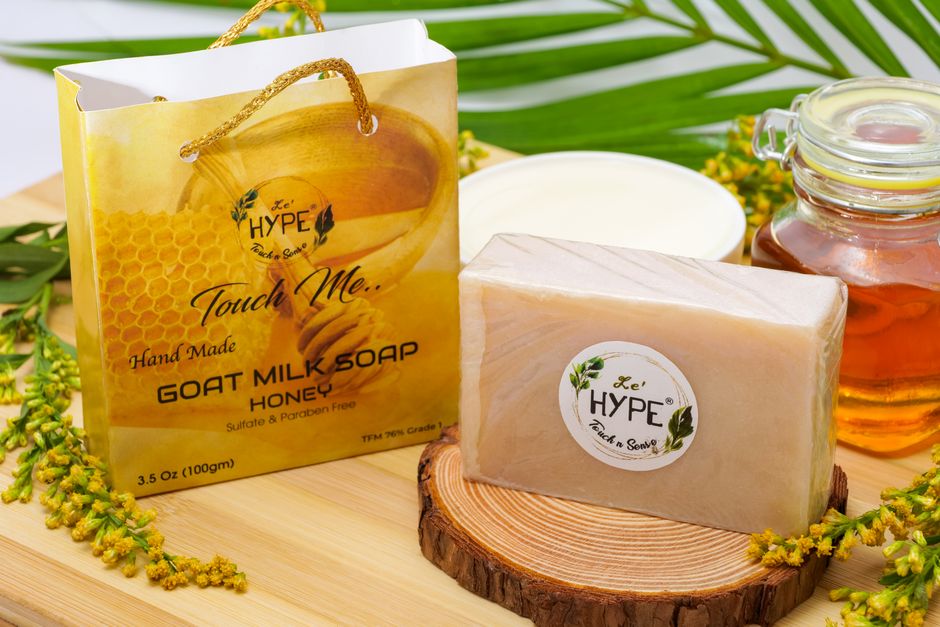
Making goat milk soap at home means combining a fat (goat milk plus oils like olive or coconut), an alkali (sodium hydroxide, also called lye), and sometimes fragrance or color. The lye reacts with the fats in a process called saponification, which turns them into soap and glycerin. You measure everything by weight, keep the milk cold so it does not scorch, blend the mixture until it thickens, pour it into a mold, and let it cure for several weeks.
That is the short version. The details matter more than most beginner guides admit, because this is a craft that involves a caustic chemical and a food product. Get the ratios wrong and you get a soft, greasy bar. Get the safety wrong and you get a chemical burn. This guide walks through the real process, the honest limitations, and the parts most tutorials gloss over.
What Is Goat Milk Soap and Why Do People Make It?
Goat milk soap is soap in which goat milk replaces all or part of the water used to dissolve the lye. The milk brings fat, protein, and sugars into the recipe, and those change how the finished bar behaves.
People have made soap from animal milk for a very long time. The appeal is largely about how the bar feels on skin. Milk soaps tend to produce a creamier lather and feel less stripping than a plain bar made from the same oils. That is a real, observable difference in most recipes, though it is a matter of feel rather than a measured skin benefit.
Here is where honesty is required. Goat milk contains lactic acid, vitamins, and fatty acids. Soapmakers often claim these survive saponification and nourish the skin. The problem is that lye is a strong alkali, and the saponification reaction is harsh. How much of the milk’s original protein and vitamin content remains intact in the finished bar is not well established. Some components clearly do survive in some form, because milk soaps behave differently from water soaps. But claims that a bar of goat milk soap delivers meaningful amounts of vitamins to your skin are not supported by solid evidence.
What is well established: goat milk is a nutritious food. What is not established: that those nutrients transfer intact through a chemical reaction with lye and then through a rinse-off product. Treat the “skin-nourishing” language in soap marketing with appropriate skepticism.
What You Need Before You Start
Goat milk soap is made using the cold process method, which is the most common approach for milk soaps. You will need specific equipment, and some of it should never go back to the kitchen.
Ingredients for a basic batch:
- Goat milk, frozen into slush or solid cubes
- Sodium hydroxide (lye) — sold as soapmaking lye, not drain cleaner
- Olive oil, coconut oil, and a solid fat such as shea butter or lard
- Distilled water, if you are splitting the liquid between milk and water
- Optional: fragrance or essential oil, and a colorant
Equipment:
- A digital scale accurate to 1 gram
- Two heat-safe pitchers or bowls (stainless steel or heavy plastic, not aluminum)
- A stick blender
- A thermometer
- Silicone or wooden soap molds
- Safety gear: goggles, gloves, long sleeves, and a well-ventilated space
Never use aluminum with lye. It reacts and produces flammable hydrogen gas. Glass can also etch over time and is not ideal for lye solutions. Stainless steel and specific plastics labeled safe for lye are the standard choices.
Keep all of this equipment separate from your cooking tools. Lye residue is not something you want on a spoon that later touches food.
How Do You Make Goat Milk Soap Step by Step?
The process has a fixed order, and skipping steps causes problems.
Step 1: Run your recipe through a lye calculator. Every oil has a different saponification value, meaning it takes a different amount of lye to turn it into soap. You cannot guess. Use a lye calculator, enter your exact oils and weights, and it will tell you how much lye and liquid you need. Most calculators let you set a “superfat” percentage, usually somewhere in the 5 percent range, which leaves a little unsaponified oil in the bar for a milder feel. This is one of the few numbers in soapmaking that is genuinely standardized, though the ideal superfat varies by recipe.
Step 2: Freeze the goat milk. This is the single most important milk-specific step. When lye dissolves in liquid, it gets extremely hot. If that liquid is fresh milk, the heat scorches the sugars and proteins, turning the mixture orange or brown and giving it an unpleasant smell. Freezing the milk first keeps the temperature down during mixing.
Step 3: Slowly add lye to the frozen milk. Add the lye a little at a time, stirring gently, and keep the pitcher in an ice bath if needed. The goal is to keep the mixture cool and the milk pale. Never add milk to lye — always lye to milk, and always slowly. Adding liquid to a large amount of lye can cause it to volcano and splash.
Step 4: Melt and combine your oils. Melt the solid fats, add the liquid oils, and bring the whole thing to a temperature where it is liquid but not hot. Milk soaps are usually made at lower temperatures than plain water soaps to protect the milk.
Step 5: Combine and blend. Pour the lye-milk mixture into the oils and blend with a stick blender. The mixture will thicken into what soapmakers call “trace” — a stage where it looks like thin pudding and a drizzle leaves a visible trail on the surface.
Step 6: Add fragrance and pour. Stir in any fragrance or colorant, then pour into your molds. Milk soaps can thicken quickly, so this part moves fast.
Step 7: Insulate and wait. Cover the molds and let the soap sit undisturbed for a day or two. Milk soaps can overheat during this stage, which causes cracks or a dark, rubbery center. Some makers skip insulation entirely for milk recipes for this reason.
Step 8: Unmold and cut. Once the soap is firm enough to handle, remove it from the mold and cut it into bars.




How Long Does Goat Milk Soap Need to Cure?
Curing is not optional, and it is where a lot of beginners get impatient. Newly made soap is still chemically active, and it contains excess water that needs to evaporate.
Most cold process soap is cured for four to six weeks. During that time, two things happen. The remaining water evaporates, which makes the bar harder and longer lasting. The soap also continues to saponify and the pH settles, which makes the bar milder on skin.
Milk soaps sometimes benefit from a slightly longer cure than plain bars because of their higher sugar content. A common approach is to cure for six weeks or more. There is no official standard here — the right cure time depends on your recipe, your climate, and how hard you want the final bar.
You can test a bar early, but expect it to be soft and to disappear quickly in the shower. Fresh soap is not dangerous, but it is not at its best.
Is Making Goat Milk Soap Safe?
The finished soap is safe. The process involves a genuinely dangerous chemical, and that is the part that requires respect.
Sodium hydroxide is a strong base. It can cause serious chemical burns to skin and permanent damage to eyes. The lye solution is the most hazardous moment in the entire process.
Basic precautions that are not negotiable:
- Wear goggles that seal around the eyes, not just glasses
- Wear gloves and long sleeves
- Work in a ventilated area, ideally with a window open or outdoors
- Keep children and pets out of the workspace entirely
- Have white vinegar on hand — it neutralizes lye spills on surfaces
If lye gets on your skin, flush with cool running water for several minutes. If it gets in your eyes, flush immediately and continuously and seek medical care. Do not try to neutralize a lye burn on skin with vinegar — flush with water and get help.
One more point that deserves stating plainly: soap is not a cosmetic. In the United States, true soap made from lye and fats is regulated differently than cosmetics, and you cannot legally make claims that your soap treats or prevents a skin condition without crossing into drug or cosmetic territory. If you plan to sell, check the rules that apply to you. This guide is about making soap for personal use.
Why Did My Goat Milk Soap Turn Out Wrong?
Most failures trace back to a handful of causes.
Orange or brown soap with a bad smell: the milk got too hot when the lye was added. Freeze the milk more thoroughly and add the lye more slowly next time.
Soft, greasy bars that never harden: usually too little lye or too much soft oil. Recheck your recipe in a lye calculator and make sure your scale is accurate.
Cracks or a dark center: the soap overheated during the first day. Skip insulation or cool the workspace.
Lye-heavy soap that stings: a miscalculation or measurement error. Do not use soap that irritates your skin. Recheck the recipe and your scale before making another batch.
Separation or a pool of liquid: the mixture was not blended to a stable trace, or the fragrance caused the batch to seize. Blend longer and check whether your fragrance is known to accelerate trace.
If a batch goes wrong in a way you cannot identify, do not guess. Discard it rather than using a bar that might be lye-heavy.
Is Goat Milk Soap Better Than Regular Soap?
Better is the wrong word. Different is more accurate.
Compared with a plain water-based bar made from the same oils, a goat milk bar usually feels creamier and less drying. That is a genuine difference most people can notice. Whether that difference matters to your skin depends on your skin and the rest of your routine.
Compared with a mild commercial soap or a fragrance-free cleanser, the picture is less clear. There is no strong evidence that goat milk soap outperforms other gentle soaps for conditions like eczema or dry skin. Some people find milk soaps more comfortable, and that experience is real. But it is not the same as a demonstrated clinical benefit, and no one should expect a bar of soap to treat a skin condition.
If you have sensitive skin, the fragrance and essential oils in a handmade bar are often a bigger factor than the milk itself. A plain, unscented goat milk soap is a reasonable place to start if you want to test how your skin responds.
Frequently Asked Questions
Can I make goat milk soap without lye?
No. True soap requires an alkali, and sodium hydroxide is the standard for cold process soap. Products sold as “lye-free” soap are either melt-and-pour bases that already contain saponified oils or are not technically soap.
How long does goat milk soap take to cure?
Most recipes need four to six weeks, and milk soaps often do better with six weeks or more. The cure lets excess water evaporate and the bar finish saponifying, which makes it harder and milder.
Why did my goat milk soap turn orange?
The milk scorched when the lye was added. Freezing the milk solid and adding the lye slowly in an ice bath keeps the temperature down and prevents the discoloration.
Is goat milk soap good for eczema?
There is no strong evidence that goat milk soap treats eczema or outperforms other gentle cleansers. Some people find it comfortable, but it should not replace treatment recommended by a doctor.
