
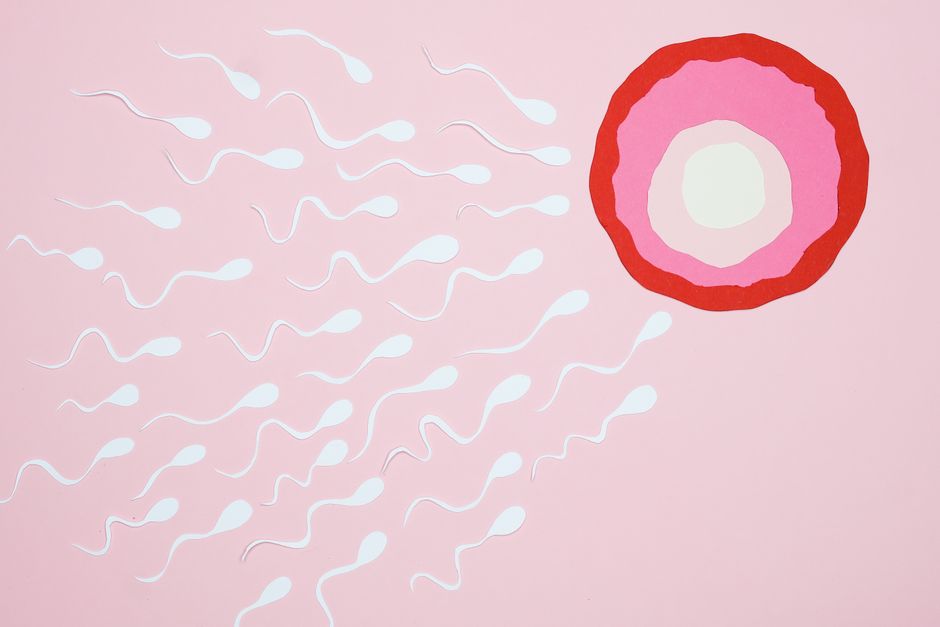
Ovulation is the release of an egg from one of your ovaries, and it usually happens once per cycle. You can know you are ovulating by tracking physical signs like cervical mucus changes, a slight rise in basal body temperature, and sometimes mild pelvic pain. These signs appear in a predictable order, so you can learn to spot them step by step. Tracking them for a few months gives you a clear picture of your personal pattern.
What Exactly Happens in Your Body During Ovulation?
Ovulation is one short event in a longer hormonal chain. About two weeks before your next period, a surge of luteinizing hormone (LH) triggers the release of a mature egg from a follicle in the ovary. The egg then travels down the fallopian tube, where it can be fertilized for about 12 to 24 hours.
The signs you notice are caused by hormones shifting before and after this release. Estrogen rises in the days before ovulation, which changes your cervical mucus. After the egg is released, progesterone rises, which raises your body temperature slightly. Understanding this sequence helps you read the signs correctly.
Step 1: Watch Your Cervical Mucus Change
Cervical mucus is the most reliable early sign you can check without any tools. In the days after your period ends, mucus is often dry or sticky. As estrogen rises, it becomes creamier and more abundant. Right before ovulation, it turns clear, slippery, and stretchy — similar to raw egg whites.
This fertile-quality mucus helps sperm swim through the cervix. When you see this texture, ovulation is likely within the next day or two. Checking is simple: wipe with toilet paper before you urinate, or insert a clean finger to observe the texture. Some women notice the sensation of wetness at the vulva without checking internally.
Step 2: Track Your Basal Body Temperature
Basal body temperature (BBT) is your temperature at complete rest, taken first thing in the morning before you get out of bed. After ovulation, progesterone causes your temperature to rise by about 0.5 to 1 degree Fahrenheit. This rise usually happens within a day or two after the egg is released.
You need a basal thermometer that shows two decimal places, not a regular fever thermometer. Take your temperature at the same time every morning, ideally after at least three hours of sleep. Record it daily and look for a sustained rise that lasts for at least three days. That confirms ovulation already happened.
The limitation of BBT is that it tells you after the fact. By the time you see the rise, the egg is already released and may be near the end of its fertile window. BBT is better for confirming ovulation than predicting it.





Step 3: Use Ovulation Predictor Kits
Ovulation predictor kits (OPKs) detect the LH surge that happens 24 to 36 hours before the egg is released. These are urine tests, similar to pregnancy tests, and they are widely available at drugstores. A positive result means ovulation is likely within the next day or two.
For best accuracy, test once or twice daily in the late morning or early afternoon. Your first morning urine is not ideal because LH levels may not yet be detectable. Follow the kit instructions about how long to test — most recommend starting about 10 to 14 days before your expected period, depending on your cycle length.
Some women have a rapid LH surge that is easy to miss with once-daily testing. Testing twice a day can catch it. If you have irregular cycles, OPKs can be frustrating because you may need to test for many days. They are still one of the most accurate home methods available.
Step 4: Notice Physical Sensations
Some women feel ovulation happening. Mittelschmerz is the medical term for one-sided pelvic pain that occurs around the time of egg release. It can feel like a dull ache or a sharp twinge on one side of the lower belly. It usually lasts from a few minutes to a few hours, though some women feel it for a day or two.
Other subtle signs include breast tenderness, mild bloating, or a slight increase in sex drive. These are caused by hormonal shifts and are less reliable than mucus or temperature. They vary widely from woman to woman and even cycle to cycle. Use them as supporting clues, not primary evidence.
Spotting or light bleeding around ovulation happens in some women. It is usually pink or light brown and lasts less than a day. This is not dangerous, but if you notice repeated bleeding mid-cycle, mention it to your clinician.
Step 5: Check Your Cervical Position
The cervix changes position and texture throughout your cycle. Before ovulation, it is low, firm, and closed. As ovulation approaches, it rises higher in the vagina, becomes softer to the touch, and the opening slightly widens. This is a more advanced tracking method and takes practice to learn.
To check, wash your hands and insert one or two fingers into the vagina. You will feel the cervix at the top. Compare its feel day to day. Some women find this method difficult or uncomfortable. It is not necessary for most people, but it can add useful information if you want a complete picture.
How Long Does Ovulation Last?
The egg survives only 12 to 24 hours after release. If sperm is not present in the fallopian tube during that window, fertilization cannot happen. Sperm can survive inside the female reproductive tract for up to five days, which is why your fertile window is longer than the egg’s lifespan.
This means you are most fertile in the five days before ovulation and the day of ovulation itself. Having intercourse on any of these days can result in pregnancy. The two days before ovulation are the highest-fertility days. Understanding this timing matters whether you are trying to conceive or avoid pregnancy.
What If Your Signs Are Unclear?
Irregular cycles, recent hormonal birth control use, breastfeeding, perimenopause, or conditions like polycystic ovary syndrome (PCOS) can make ovulation signs harder to read. Some months you may not ovulate at all. This is normal occasionally, especially during times of stress, illness, or major weight changes.
If you track for several months and never see clear signs, or if your cycles are consistently shorter than 21 days or longer than 35 days, talk to a clinician. Blood tests can confirm whether ovulation is happening by measuring progesterone about a week after suspected ovulation. Ultrasound can also directly observe follicle development and release.
Fertility tracking apps can help you log your signs, but they are not always accurate at predicting ovulation. The best apps use your inputted data rather than guessing from averages. Remember that no app can detect your actual ovulation without the data you provide.
Common Mistakes in Ovulation Tracking
One common mistake is relying on calendar predictions alone. Cycle length varies even in regular cycles, and ovulation can shift by a few days from month to month. Calendar methods alone are not reliable for pinpointing ovulation.
Another mistake is stopping temperature tracking too early. You need a full month of data to see the pattern. A single temperature reading tells you nothing. Also, inconsistent wake-up times can make temperature readings useless. If you sleep irregularly, BBT may not work well for you.
Some women mistake the LH surge for ovulation itself. The surge happens before release, so a positive OPK does not mean the egg is already out. It means ovulation is coming. Plan intercourse that day and the next day for best timing.
Frequently Asked Questions
What day of my cycle am I most likely ovulating?
For a typical 28-day cycle, ovulation usually happens around day 14, but this varies widely even in regular cycles. Track your own signs rather than relying on a fixed day.
Can I get pregnant if I have sex after ovulation?
Yes, but only within 12 to 24 hours after the egg is released. Sperm can survive up to five days, so sex in the days before ovulation is more likely to result in pregnancy.
How accurate are ovulation predictor kits?
OPKs are about 97 percent accurate at detecting the LH surge when used correctly. They cannot confirm that the egg was actually released, only that the surge happened.
Do I ovulate every month?
No, anovulatory cycles happen occasionally in healthy women, especially during stress, illness, or major weight changes. If you never see ovulation signs, consult a clinician.
