
Most people do not need a dental crown until they are told they do. The clearest signs include a cracked or broken tooth, a tooth weakened by a large filling, or pain when biting down. If you have any of these, a dentist must examine the tooth to confirm whether a crown is the right fix. You cannot diagnose this at home, but you can recognize the warning signs that make a dental visit necessary.
What Does a Dental Crown Actually Do?
A dental crown is a custom-made cap that covers the entire visible part of a tooth above the gum line. It restores the tooth’s shape, size, and strength while improving its appearance. Crowns are cemented into place and become the new outer surface of the tooth.
The purpose is straightforward. A crown protects a tooth that can no longer protect itself. When a tooth has lost too much structure to hold a filling, a crown holds it together and distributes biting force evenly. Without that protection, the tooth can split further or break completely.
Crowns are made from several materials. Porcelain, ceramic, and zirconia match the color of natural teeth. Metal alloys and gold are stronger but visible. Porcelain-fused-to-metal combines strength with a natural look. Your dentist chooses the material based on which tooth needs the crown and how much force it endures during chewing.
How Do You Know If You Need A Dental Crown?
The most reliable answer is that your dentist determines this during an examination. However, specific symptoms and conditions point strongly toward the need for a crown. Pain when biting, visible cracks, and teeth that have undergone root canal treatment are the most common reasons.
If you have a tooth that hurts only when you bite down and then stops, the tooth may have a crack. This pain happens because biting pressure opens the crack slightly. A crown can hold the tooth together and stop that movement. If the crack extends below the gum line or into the root, a crown alone may not be enough.
A tooth with a very large filling is another strong indicator. When a filling takes up more than half of the tooth’s width, the remaining natural tooth structure is often too weak to support normal chewing forces. Research consistently shows that large fillings increase the risk of tooth fracture. Crowns are the standard solution in this situation.
Teeth that have had root canal treatment are also prime candidates. Root canal therapy removes the tooth’s nerve and blood supply, which leaves the tooth more brittle over time. Dentists typically recommend crowning these teeth to prevent them from splitting, especially molars that endure heavy chewing pressure.
What Are the Signs You Should See a Dentist?
Some signs are obvious. A visibly cracked, chipped, or broken tooth needs professional evaluation. So does a tooth with a large area of decay that a filling cannot repair. If a tooth is severely discolored or misshapen, a crown may be the solution for cosmetic reasons, though this is a personal choice rather than a medical necessity.
Other signs are subtler. Sensitivity to hot or cold that lingers after the stimulus is removed can indicate a problem. Pain when chewing or biting, especially on one specific tooth, deserves attention. So does a tooth that feels rough or has a sharp edge you can feel with your tongue.
Here are the warning signs that warrant a dental appointment:
- A visible crack, chip, or fracture in a tooth
- Pain when biting down that stops when you stop biting
- A tooth with a filling that is larger than the remaining natural tooth
- Recent root canal treatment on a molar or premolar
- Severe wear from grinding that has shortened a tooth
- A tooth that is badly decayed with too little structure left for a filling
If you have any of these, do not wait for the tooth to break completely. A tooth that fractures below the gum line is much harder to save. Early evaluation gives your dentist more options.





What Happens During the Crown Procedure?
The crown process usually takes two visits about two to three weeks apart. At the first visit, your dentist numbs the tooth and removes any decay. Then the tooth is shaped down to a smaller size so the crown can fit over it. An impression of the prepared tooth is taken and sent to a dental laboratory where the crown is made.
You receive a temporary crown at the end of the first visit. This protects the prepared tooth while you wait. The temporary crown is made of acrylic or stainless steel and is not as strong as the final crown. Avoid sticky foods and chew on the other side of your mouth while wearing it.
At the second visit, your dentist removes the temporary crown and checks the fit of the permanent one. The crown’s color, shape, and bite are adjusted as needed. Once everything looks right, the crown is cemented into place. The entire visit typically takes about an hour.
Some dental offices use same-day crown technology. A special machine called a CEREC scanner takes a digital impression and mills the crown from a block of ceramic while you wait. This eliminates the temporary crown and the second visit. Not all offices offer this, and it is not necessarily better than a lab-made crown. Both approaches produce good results when done well.
How Long Do Crowns Last and Do They Hurt?
With good care, a crown can last between 5 and 15 years. The lifespan depends on your oral hygiene habits, whether you grind your teeth, and the material used. Metal and zirconia crowns tend to last longer than all-porcelain ones, though all can fail over time.
The procedure itself is not painful because your dentist numbs the area with local anesthesia. You may feel pressure during the preparation, but not pain. After the numbness wears off, some soreness in the gums around the tooth is normal for a few days. Over-the-counter pain relievers usually manage this discomfort.
You may notice that the crowned tooth feels different when you bite for the first few days. This is normal as you adjust to the new surface. If the bite feels off after a week, return to your dentist for an adjustment. A crown that hits too hard can cause pain and damage the tooth underneath.
Are There Alternatives to a Crown?
Crowns are not the only option for damaged teeth. The right choice depends on how much tooth structure remains and where the tooth is located.
Inlays and onlays are used when the damage is too large for a filling but not severe enough to require a full crown. An inlay fits inside the cusps of the tooth. An onlay covers one or more cusps. Both are made in a lab and cemented in place. They preserve more natural tooth than a crown.
Veneers are a cosmetic alternative for front teeth with chips or discoloration. A veneer is a thin shell that covers only the front surface of the tooth. It does not provide the full protection of a crown and is not appropriate for teeth with significant structural damage.
In the worst cases, extraction is the only option. If a tooth is cracked vertically through the root, no crown can save it. If decay has destroyed too much structure, a crown has nothing to hold onto. In these situations, the tooth is removed and replaced with an implant or bridge.
Your dentist will explain which option fits your situation. If a crown is recommended, ask why. A good dentist can explain exactly what is wrong with the tooth and why a crown is the appropriate solution.
How to Care for a Crown
A crown does not change your oral hygiene routine. Brush twice a day with fluoride toothpaste and floss daily. The key difference is where the crown meets the gum. This junction is where plaque collects and where decay can start in the natural tooth underneath the crown.
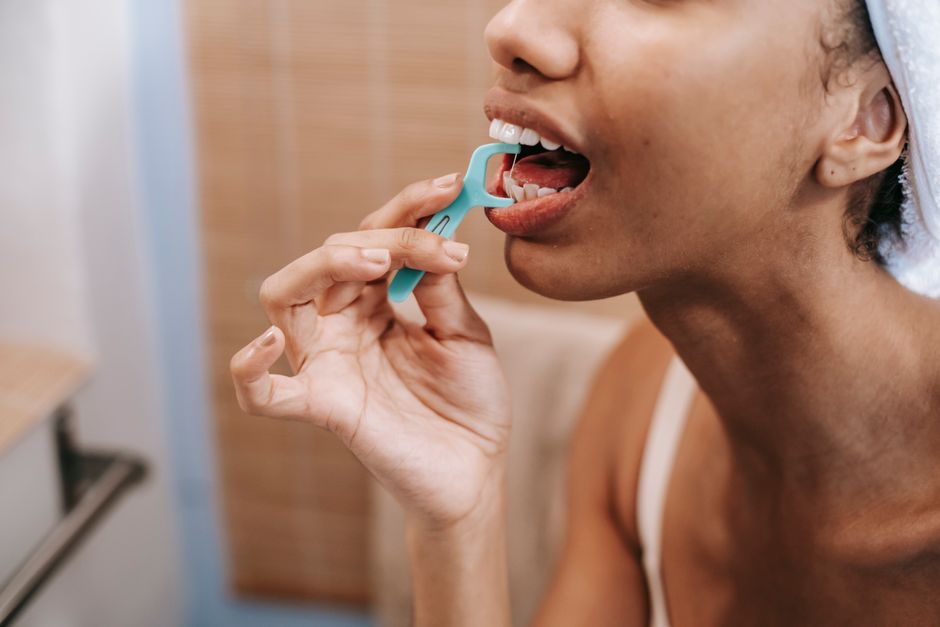
Pay extra attention to flossing around crowned teeth. Slide the floss gently below the gum line and wrap it around the tooth in a C-shape. This removes plaque from the margin that brushing cannot reach. Some people find floss threaders or interdental brushes helpful for this area.
If you grind your teeth at night, talk to your dentist about a night guard. Grinding puts excessive force on crowns and can cause them to crack or loosen. A night guard is a plastic appliance that protects your teeth and crowns while you sleep. This is one of the most effective ways to extend the life of a crown.
Avoid chewing ice, hard candy, or other very hard objects. These can fracture a crown just as they can fracture a natural tooth. If a crown does come loose or falls off, keep it and contact your dentist right away. Do not try to glue it back in yourself.
Frequently Asked Questions
How painful is getting a dental crown?
The procedure is not painful because your dentist uses local anesthesia to numb the tooth and surrounding gum. You may feel pressure during the preparation, but you should not feel sharp pain.
Can a dentist tell if I need a crown without X-rays?
X-rays are essential for a complete evaluation because they reveal cracks, decay between teeth, and bone loss that are invisible to the naked eye. A visual exam alone can miss problems that a crown would address.
How long does a dental crown last?
Most crowns last between 5 and 15 years with proper care. Good oral hygiene, avoiding hard foods, and wearing a night guard if you grind your teeth will help your crown last longer.
What happens if I do not get a crown on a cracked tooth?
The crack can spread further, eventually causing the tooth to break apart completely. Once a tooth fractures below the gum line, it often cannot be saved and may need to be extracted.
