
Fertility is not a single yes-or-no test. It is a combination of physical signs, timing, and underlying health factors. For most people, the clearest sign of fertility is a regular menstrual cycle that shows predictable ovulation. If you track your cycle, cervical mucus changes, and basal body temperature, you can identify your fertile window with reasonable accuracy. No single sign guarantees fertility, but together they give a reliable picture of what your body is doing.
What Are the Most Reliable Physical Signs of Fertility?
The body gives clear signals when it is approaching ovulation. The most noticeable one is a change in cervical mucus. A few days before ovulation, mucus becomes clear, stretchy, and slippery — similar to raw egg whites. This is your body’s way of helping sperm travel to the egg. When you see this mucus, you are in your most fertile window.
Another reliable sign is a shift in basal body temperature. After ovulation, your temperature rises by about 0.5 to 1 degree Fahrenheit and stays elevated until your next period. This does not tell you ovulation is happening now. It confirms it already happened. You need to track it for a few months to see the pattern.
Some women also feel mild cramping or a twinge on one side of the lower abdomen during ovulation. This is called mittelschmerz. It happens when the ovary releases an egg. Not everyone feels it, and it is not a reliable standalone sign. But combined with mucus and temperature changes, it adds useful information.
How Do You Know If You Are Fertile Signs To Check With Ovulation Predictor Kits?
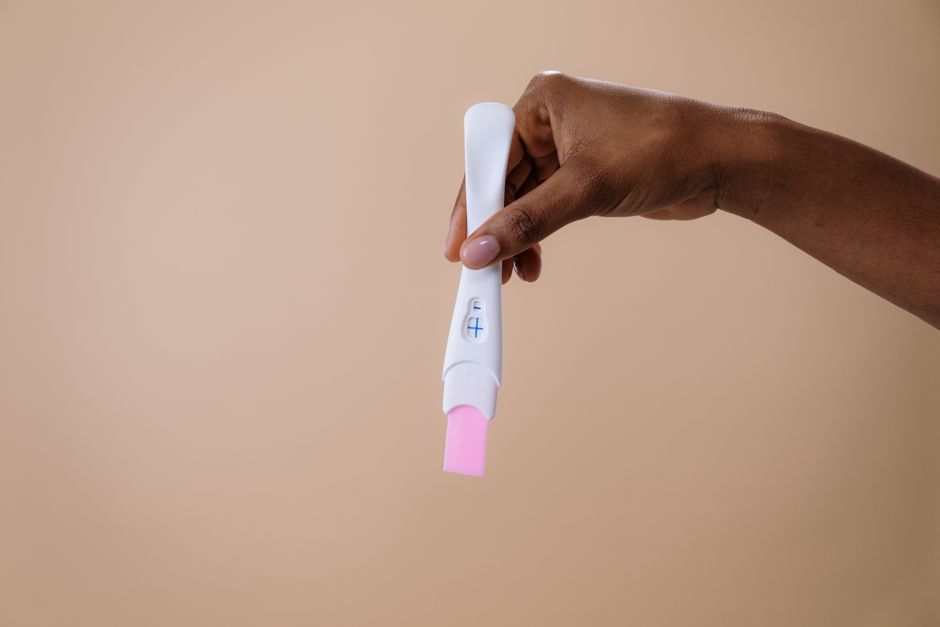
Ovulation predictor kits (OPKs) detect the surge in luteinizing hormone that happens 24 to 36 hours before ovulation. They are widely available and easy to use. You pee on a stick, and a positive result means you are about to ovulate. This is one of the most practical ways to confirm your fertile window at home.
Research published in the journal Fertility and Sterility found that OPKs correctly predict ovulation in over 90 percent of cycles when used correctly. That makes them more accurate than calendar-based tracking alone. But they have limits. Some women with polycystic ovary syndrome (PCOS) have chronically high LH levels and get false positives. Others with low LH may never get a clear positive.
OPKs tell you when your body is trying to ovulate. They do not tell you if the egg is healthy or if ovulation actually completed. For most women, a positive OPK followed by a sustained temperature rise is strong evidence of ovulation. If you get positives every month but never see a temperature shift, it is worth discussing with a doctor.
What Does Your Menstrual Cycle Tell You About Fertility?
A regular cycle is one of the strongest signs of normal ovulation. Most women with regular cycles ovulate consistently. The American College of Obstetricians and Gynecologists defines a typical cycle as 21 to 35 days long. Cycles that fall outside this range or vary by more than a few days each month may indicate ovulation problems.
Bleeding that is very light or very heavy can also be a clue. Very light periods may mean the uterine lining is not building up properly. Very heavy or painful periods can point to conditions like fibroids or endometriosis. Both can affect fertility.
Spotting between periods is another sign worth paying attention to. It can be harmless, but it can also signal hormone imbalances or structural issues. If you see spotting mid-cycle around ovulation, that is usually normal. Spotting at other times should be checked.




What Medical Tests Actually Measure Fertility?
If you want more than body signs and home kits, medical tests give clearer answers. Blood tests can measure hormone levels that control ovulation. The most common ones are follicle-stimulating hormone (FSH), luteinizing hormone (LH), estradiol, and anti-Müllerian hormone (AMH).
AMH is often discussed as a measure of ovarian reserve. It tells you roughly how many eggs remain in your ovaries. But it does not predict your chance of getting pregnant in the next month. A low AMH means your egg supply is lower than expected for your age. It does not mean you cannot get pregnant. The CDC notes that AMH is most useful when combined with other tests, not as a standalone fertility score.
Transvaginal ultrasound can show the ovaries and uterus directly. It can count antral follicles, which are small fluid-filled sacs that contain immature eggs. A higher antral follicle count suggests a better ovarian reserve. Ultrasound can also find fibroids, ovarian cysts, or polyps that might interfere with implantation.
A hysterosalpingogram (HSG) is an X-ray test that checks if the fallopian tubes are open. Blocked tubes are a common cause of infertility. This test is not done as a routine check. It is usually ordered after a year of trying without success.
Comparison of Fertility Tracking Methods
| Method | What It Measures | Accuracy | Best For |
|---|---|---|---|
| Cervical mucus tracking | Estrogen-driven mucus changes | Moderate with practice | Identifying fertile window in real time |
| Basal body temperature | Progesterone-driven temperature rise | High for confirming ovulation | Confirming ovulation happened |
| Ovulation predictor kit | LH surge | Over 90% with correct use | Predicting ovulation 1-2 days ahead |
| Blood hormone tests | FSH, LH, AMH, estradiol | High for specific hormone levels | Assessing ovarian reserve and ovulation |
| Transvaginal ultrasound | Follicle count, uterine structure | High for structural issues | Checking ovaries and uterus directly |
What Lifestyle Factors Actually Affect Fertility Signs?
Age is the single biggest factor. Female fertility drops noticeably after age 35 and more sharply after 40. This is not a myth. The decline is well documented by research from the National Institute of Child Health and Human Development. By age 40, the chance of getting pregnant in a single cycle is less than 10 percent.
Body weight also matters. Being significantly underweight or overweight can disrupt ovulation. Women with a body mass index below 18.5 or above 30 are more likely to have irregular cycles. Losing or gaining weight to a healthier range often restores normal ovulation without any medical treatment.
Smoking is directly toxic to eggs. It speeds up egg loss and can bring on menopause earlier. The American Society for Reproductive Medicine states that smoking reduces fertility and that quitting improves your chances. Alcohol and caffeine have weaker evidence. Moderate alcohol use does not clearly affect fertility, but heavy drinking can disrupt hormone levels. Caffeine at less than 200 mg per day — about one 12-ounce coffee — appears safe.
Stress is often blamed for fertility problems, but the evidence is mixed. Some studies suggest high stress can delay ovulation. Others find no clear link. What is known is that chronic stress can change sleep, eating, and exercise habits, and those changes can affect cycles indirectly.
Common Misconceptions About Fertility Signs
One of the most persistent myths is that having sex every day increases your chances. It does not. Sperm can live in the reproductive tract for up to five days. Having sex every other day during your fertile window is enough. Daily sex does not hurt, but it does not improve odds either.
Another myth is that ovulation always happens on day 14 of your cycle. That is only true for women with a textbook 28-day cycle. Most women do not have a 28-day cycle. Ovulation can happen anywhere from day 10 to day 20 depending on cycle length. Relying on day 14 is a common reason people miss their fertile window.
Some people believe that if you have regular periods, you must be ovulating. That is mostly true, but not always. A condition called anovulatory bleeding can cause regular-looking periods without ovulation. This is more common in women with PCOS. If you have regular cycles but have never seen a positive OPK or temperature shift, it is worth checking.
The idea that fertility awareness methods are unreliable is outdated. When taught correctly, methods like the Fertility Awareness Method (FAM) can be as effective as some hormonal birth control for preventing pregnancy. For achieving pregnancy, they are highly effective at identifying the fertile window. The key is proper instruction and consistent tracking.
When Should You See a Doctor About Fertility?
If you are under 35 and have been trying to get pregnant for a year without success, it is reasonable to see a doctor. If you are over 35, the timeline shortens to six months. For women over 40, many doctors recommend seeing a specialist right away rather than waiting.
You should also see a doctor sooner if you have irregular cycles, no periods at all, or a known condition like PCOS or endometriosis. A history of pelvic infections, previous abdominal surgery, or chemotherapy can also affect fertility and warrants earlier evaluation.
For men, a semen analysis is the standard first test. It checks sperm count, movement, and shape. Male factor infertility is a factor in about 40 percent of couples who struggle to conceive. It is just as important as checking the woman.
Fertility testing does not mean you need treatment. Many couples find reassurance in knowing things are normal. Others find a specific issue that has a simple fix. Either way, information is better than guessing.
Frequently Asked Questions
Can you feel when you are ovulating?
Some women feel a mild cramp or twinge on one side of the lower abdomen during ovulation. This is not reliable for everyone and should be used alongside other signs.
How many days after your period do you ovulate?
Ovulation typically happens 12 to 16 days before your next period starts, not a fixed number of days after your period ends. This varies by cycle length.
Do ovulation predictor kits work if you have irregular periods?
They can work but may require more test sticks because you have to test over a longer window. Some women with PCOS may get false positives due to high LH levels.
What is the most accurate way to track fertility at home?
Combining cervical mucus tracking with basal body temperature and an ovulation predictor kit gives the most complete picture. No single method is perfectly accurate alone.
