
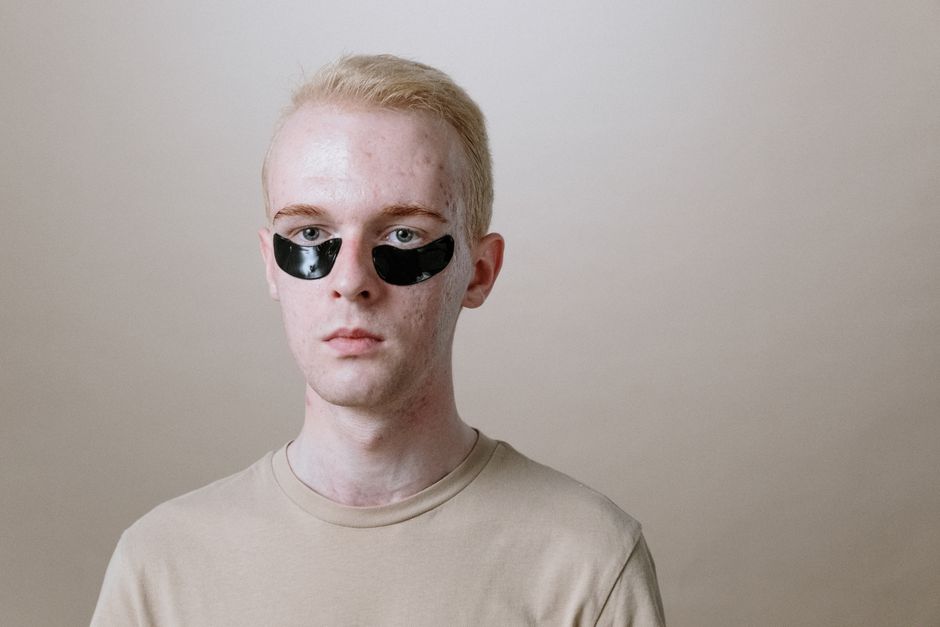
Not every pimple needs to be popped. Trying to pop one too early is the fastest way to turn a small spot into a red, swollen mess that takes weeks to heal. A pimple is ready to pop when it has a visible white or yellow head, the skin around it is not deeply red or swollen, and it does not hurt when you gently touch the side of it. If it still feels hard and painful deep under the skin, it is not ready.
What Does a Ready-to-Pop Pimple Look Like?
The clearest sign is a white or yellow dot at the top of the bump. This is pus that has moved close to the surface of your skin. The bump itself should look like a small dome, not a large swollen area.
If the pimple is still red and angry-looking across a wide area of skin, it is inflamed. Popping an inflamed pimple pushes bacteria deeper into the pore. The American Academy of Dermatology advises against popping any pimple that is painful, hot to the touch, or surrounded by red skin.
Another sign of readiness is that the skin over the head feels very thin. You might even see a tiny opening where the pus is about to break through on its own. This is the only time popping makes sense—when the pimple is already at the surface and ready to drain naturally.
How Do You Know If A Pimple Is Ready To Pop by Touch?
Gently press the skin right next to the pimple with a clean finger. If the pimple feels soft and the head moves slightly under your touch, it is likely ready. If the entire area feels hard like a small stone under the skin, leave it alone.
Pain is a better guide than how the pimple looks. A pimple that hurts when you barely touch it is still inflamed. The inflammation means your immune system is actively fighting bacteria inside the pore. Popping it at this stage can spread that bacteria into surrounding tissue.
Research published in the Journal of Investigative Dermatology found that mechanical pressure on an inflamed follicle can rupture the follicle wall. This causes the contents to spill into the dermis, leading to more inflammation and potential scarring. If it hurts, it is not ready.
What Are the Signs a Pimple Is Not Ready?
Three main signs tell you to wait. First, there is no visible head. The bump is just a red or pink spot with no white or yellow center. Second, the area feels warm to the touch. Heat means active inflammation. Third, the pimple is deep under the skin and feels like a pea-sized lump when you press on it.
These are called blind pimples or cystic pimples. They form deep in the dermis layer of the skin. There is no way to pop them without damaging the skin because the pus is not near the surface. Trying to squeeze a deep pimple can cause a serious infection called cellulitis.
Some people report that ice helps reduce swelling in blind pimples. This is widely claimed though strong evidence is limited. A 2016 review in Dermatology and Therapy noted that cold compresses can reduce localized inflammation by constricting blood vessels, but this does not make the pimple ready to pop any sooner.




What Happens If You Pop a Pimple Too Early?
The most common result is more redness and swelling that lasts several days longer than if you had left the pimple alone. When you force a pimple open before it is ready, the pus does not come out cleanly. Instead, it spreads into the surrounding skin tissue.
This can lead to a secondary infection. The CDC reports that skin infections from improperly handled pimples are a common reason people visit dermatology clinics. In rare cases, bacteria from a popped pimple can enter the bloodstream through broken skin, though this is more of a risk for people with weakened immune systems.
Scarring is another major risk. The American Academy of Dermatology states that picking and popping pimples is one of the leading causes of acne scars. When the skin is damaged by squeezing, the body produces collagen to repair it. Too much collagen creates a raised scar. Too little creates a depressed scar that looks like a small pit in the skin.
How to Safely Pop a Pimple That Is Ready
If you have checked all the signs and the pimple is truly ready, there is a safe way to do it. Wash your hands and the area around the pimple with mild soap. Use a sterile needle or lancet—not a safety pin or fingernail. Sterilize the needle by wiping it with rubbing alcohol.
Gently poke the very top of the white head. Do not stab deep into the skin. Just break the surface. Then wrap clean tissue or cotton around both index fingers and press down gently on both sides of the pimple. The pus should come out easily with light pressure.
If nothing comes out or if blood appears, stop immediately. This means the pimple was not ready. Apply a small amount of antibiotic ointment or a hydrocolloid patch to the area. Do not keep squeezing. The table below shows the difference between a pimple that is ready and one that is not.
| Feature | Ready to Pop | Not Ready |
|---|---|---|
| Head | White or yellow, visible at surface | No head, just red bump |
| Pain | None when touched gently | Hurts when touched |
| Texture | Soft, movable under skin | Hard, fixed lump |
| Heat | Normal skin temperature | Warm or hot to touch |
| Pus flow | Comes out easily with light pressure | Nothing or blood comes out |
What to Do Instead of Popping
For pimples that are not ready, there are better options. Benzoyl peroxide creams kill bacteria on the surface. Salicylic acid helps unclog pores by breaking down dead skin cells. Both are available over the counter and have decades of research behind them.
For deep cystic pimples, a dermatologist can inject a corticosteroid directly into the bump. This reduces inflammation within 24 to 48 hours. Evidence indicates this is the most effective treatment for large, painful pimples that will not come to a head on their own.
Some people report that warm compresses help bring a pimple to a head faster. This is widely claimed though strong clinical evidence is limited. The theory is that heat increases blood flow to the area, which may help the body push pus toward the surface. Apply a warm, damp cloth for 10 minutes twice a day if you want to try this method.
Pimple patches made from hydrocolloid material can absorb fluid from a pimple that has already opened. They do not work on deep pimples with no head. The patch creates a moist environment that may help healing, but it cannot pull pus out of an unopened pore.
Common Misconceptions About Popping Pimples
One common myth is that popping a pimple makes it heal faster. Research published in JAMA Dermatology found that popped pimples actually take longer to heal than those left alone. The skin needs time to repair the damage caused by squeezing, which adds days to the healing process.
Another myth is that toothpaste dries out pimples. Toothpaste contains ingredients like baking soda and hydrogen peroxide that can irritate the skin. It also has fluoride and menthol that cause contact dermatitis in many people. There is no clinical evidence that toothpaste treats acne effectively.
A third misconception is that all pimples need to be popped to clear up. Most pimples resolve on their own within a week. The body breaks down the pus and absorbs it naturally. Popping is only needed when the pimple is at the surface and causing discomfort or if it is likely to rupture on its own in an inconvenient place.
As of 2026 there is no clinical evidence that popping a pimple reduces the risk of future breakouts in the same spot. In fact, damaging the pore can make it more likely to clog again during healing, creating a cycle of breakouts in the same location.
Frequently Asked Questions
How long does it take for a pimple to be ready to pop?
Most pimples take 3 to 5 days from first appearing to develop a visible head. Deep cystic pimples may never develop a head and should not be popped.
Can I pop a pimple that has no head?
No. A pimple without a head is not ready and popping it will cause more inflammation and increase the risk of scarring.
What is the white stuff that comes out of a pimple?
It is a mixture of dead skin cells, oil, and bacteria called pus. This is the body’s immune response to a clogged and infected pore.
Is it bad to pop a pimple with a needle?
Using a sterile needle to gently break the surface is safer than squeezing with fingernails. Never use a needle that has not been sterilized with rubbing alcohol.
