
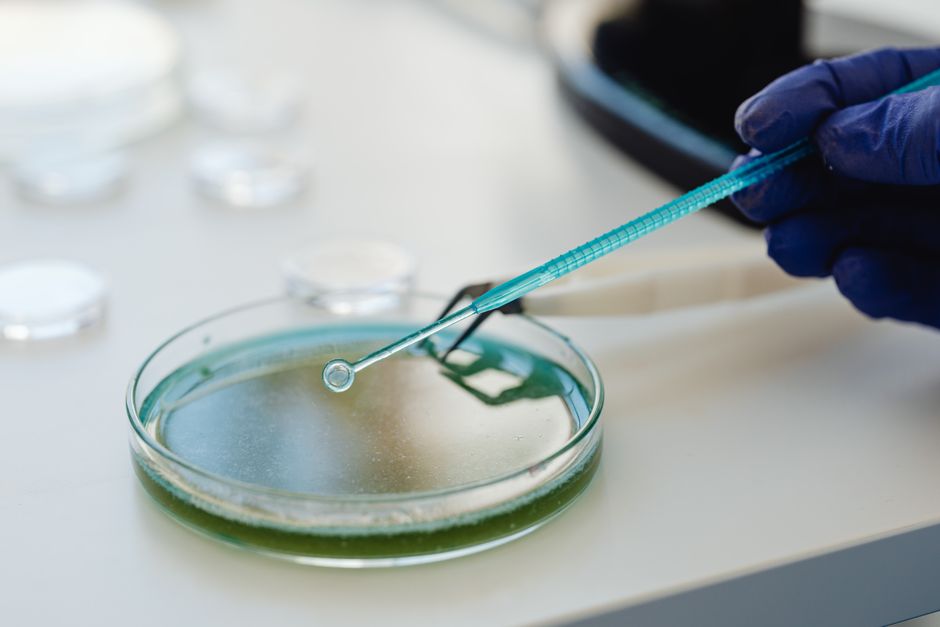
You kill bacteria in one of two ways: by physically removing them or by chemically destroying them. Soap and water removes them. Heat, bleach, alcohol, and antibiotics destroy them. The method you pick matters, because bacteria are not all equally easy to kill, and some approaches that feel effective do almost nothing.
This guide covers what actually works, what does not, and why.
How Does Soap and Water Kill Bacteria Methods That Actually Work?
Soap does not kill most bacteria. It removes them, which is often just as good.
Bacteria cling to skin and surfaces through oils, fats, and proteins. Soap molecules have two ends. One end binds to water. The other binds to oil and fat. When you lather, the soap surrounds bacteria and the oils they sit in, and water rinses the whole package away.
This is why handwashing works even though the soap itself may not be lethal to the bacteria on your hands. You are not poisoning them. You are sliding them off.
Two things matter more than soap type:
- Time. Most public health guidance recommends scrubbing for at least 20 seconds.
- Friction. Rubbing loosens bacteria from skin creases and under nails.
Antibacterial soap offers no meaningful advantage over plain soap for general handwashing in everyday settings. Regulatory bodies have reviewed the evidence and concluded that the added antibacterial ingredients do not outperform regular soap for preventing illness in the general public. Plain soap is fine.
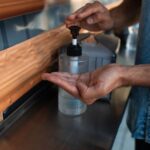
Alcohol-based hand sanitizers do kill many bacteria, but they work differently. They disrupt bacterial cell membranes and proteins. They work well on clean hands. They work poorly on visibly dirty or greasy hands, because the alcohol cannot reach the bacteria through the grime. Soap and water is the better choice when hands are soiled.
Does Heat Kill Bacteria?
Heat kills bacteria by breaking down their proteins and genetic material. This is one of the most reliable methods that exists.
Different bacteria die at different temperatures and times. There is no single number that covers everything. What matters is the combination of temperature and duration.
For food safety, the established standard is based on internal temperature, not cooking time alone. Poultry, ground meats, and leftovers each have their own target internal temperatures set by food safety authorities. Reaching that internal temperature is what makes food safe, not how long it sat in the pan.
Boiling water kills most harmful bacteria and viruses. At a rolling boil, most disease-causing organisms are destroyed. This is why boiling is a standard emergency water treatment method. The general guidance is to bring water to a rolling boil and keep it there for at least one minute. At higher altitudes, longer boiling is recommended because water boils at a lower temperature.
Boiling does not remove chemical contaminants, heavy metals, or toxins that bacteria may have already produced. It kills the organisms. It does not clean the water of everything else.
One point worth knowing: some bacteria form spores that survive boiling. Clostridium botulinum spores, for example, can survive boiling temperatures. This is why home canning of low-acid foods requires a pressure canner, not a boiling water bath. The pressure canner reaches temperatures above boiling, which is what destroys the spores.
Does Bleach Kill Bacteria on Surfaces?
Bleach kills bacteria, viruses, and fungi on hard surfaces. It works by damaging proteins and DNA. It is one of the most effective disinfectants available for household use.
But bleach is easy to use wrong.
Concentration matters. A splash of bleach in a bucket of water is not a measured disinfecting solution. Public health agencies publish specific dilution ratios for disinfecting surfaces, and those ratios differ depending on the job. Using too little means you are wiping with colored water. Using too much creates unnecessary fumes and surface damage.
Contact time matters just as much. Disinfectants need to stay wet on the surface for a set period to work. That period varies by product and by the organism you are targeting. If a surface dries before the contact time is up, the disinfection is incomplete. Read the label. It tells you the contact time.
Bleach breaks down over time. A bottle that has sat in a warm garage for a year is weaker than a fresh one. Diluted bleach solutions lose strength within days.
Never mix bleach with ammonia or with acids. The result is toxic gas. This is a genuine hazard, not a cautionary footnote.
How Bleach Compares to Other Surface Cleaners
| Method | Kills bacteria? | Key limitation |
|---|---|---|
| Bleach solution | Yes, broad range | Needs correct dilution and contact time; degrades over time |
| 70% isopropyl alcohol | Yes, many bacteria | Evaporates fast; poor on porous surfaces |
| Soap and water | Removes rather than kills | Does not disinfect; needs rinsing |
| Hydrogen peroxide | Yes, many bacteria | Breaks down in light; contact time still required |
Alcohol works best at around 70% concentration. Higher concentrations evaporate too quickly and can coagulate proteins on the outside of the cell before the alcohol penetrates. The 70% range is the sweet spot.
How Do Antibiotics Kill Bacteria Inside the Body?
Antibiotics kill bacteria through several distinct mechanisms. Some block the building of the bacterial cell wall. Some stop bacteria from making proteins. Some interfere with DNA copying. Some disrupt the bacterial membrane.
Each mechanism targets something bacterial cells have that human cells do not. That is what makes them selective. The drug harms the bacteria and leaves your cells mostly alone.
Antibiotics do not work on viruses. Colds, flu, and most sore throats are viral. Taking antibiotics for them does nothing except drive resistance.
Resistance is the central problem. Bacteria reproduce fast and mutate. When antibiotics are used, bacteria that happen to survive can multiply and pass on their resistance. Overuse accelerates this. When resistance develops, the drug that once worked stops working.
This is why finishing a prescribed course matters, and why doctors increasingly avoid prescribing antibiotics when they are not needed. The evidence on optimal course length has shifted over time. Shorter courses are now used for many common infections, based on research showing they can work as well as longer ones with fewer side effects. Follow the specific instructions you are given rather than assuming a longer course is always better.
Antibiotics require a prescription for good reason. They are not interchangeable, and the wrong one does nothing.
What Does Not Kill Bacteria?
Several widely used methods do not work. Some are useless. Some are worse than useless.
Vinegar. Household vinegar has some antimicrobial activity, but it is not a reliable disinfectant against many harmful bacteria. It does not meet the standard that disinfectants are held to. Using it in place of bleach on a surface contaminated with something serious is a mistake.
UV phone sanitizers. UV light can kill bacteria if it reaches them at sufficient dose. The problem is dose. In a small box with a phone at an angle, shadowed areas get little or no UV. The evidence that consumer UV devices meaningfully reduce illness is thin.
Antibacterial wipes used once on a large area. A single wipe dragged across a big countertop spreads bacteria around rather than removing them. Contact time is also too short.
Freezing. Freezing does not kill most bacteria. It stops them from growing. When food thaws, the bacteria wake up. This is why thawed food still needs to be cooked properly.
Rinsing with water alone. Water removes some bacteria. It does not kill them and does not remove the oils they cling to. Soap is what makes the difference.
Alcohol on dirty hands. Hand sanitizer is not effective when hands are greasy or visibly dirty. The alcohol cannot get through the layer of grime to reach the bacteria.
Why Does the Method Matter So Much?
Because not all bacteria respond the same way to the same treatment, and because the setting changes what works.
Some bacteria form spores. Spores are dormant, tough structures that resist heat, drying, and many chemicals. Clostridium difficile spores, for instance, survive alcohol-based hand sanitizer. That is why soap and water and bleach-based cleaning are recommended in settings where C. difficile is a concern. Alcohol is not enough.
Some bacteria live in biofilms. A biofilm is a community of bacteria stuck to a surface and encased in a protective matrix. Biofilms resist disinfectants far better than free-floating bacteria. This is why dental plaque, which is a biofilm, needs physical disruption from brushing, not just mouthwash.
Some bacteria are naturally resistant to certain antibiotics because of how their cell walls are built. Gram-negative bacteria have an outer membrane that blocks many drugs.
The practical takeaway is simple. Match the method to the job. Soap and water for hands and surfaces that need cleaning. Heat for food and water. A correctly diluted disinfectant with proper contact time for surfaces that need disinfecting. Antibiotics only when a clinician prescribes them for a bacterial infection.
There is no single method that kills all bacteria in all situations. Anyone who tells you otherwise is selling something.
Frequently Asked Questions
Does hand sanitizer kill all bacteria?
No. Alcohol-based sanitizers kill many bacteria but are less effective against bacterial spores and do not work well on dirty or greasy hands. Soap and water is more reliable when hands are visibly soiled.
Does boiling water kill all bacteria?
Boiling kills most harmful bacteria and viruses, which is why it is a standard emergency water treatment. It does not destroy bacterial spores or remove chemical contaminants.
Is vinegar a good disinfectant?
Vinegar has some antimicrobial activity but is not a reliable disinfectant against many harmful bacteria. It does not meet the standard that approved disinfectants are held to.
Why do I need to finish antibiotics if I feel better?
Feeling better does not mean all the bacteria are gone, and stopping early can let surviving bacteria multiply. Follow the specific instructions your clinician gives you, since recommended course lengths vary by infection.
