
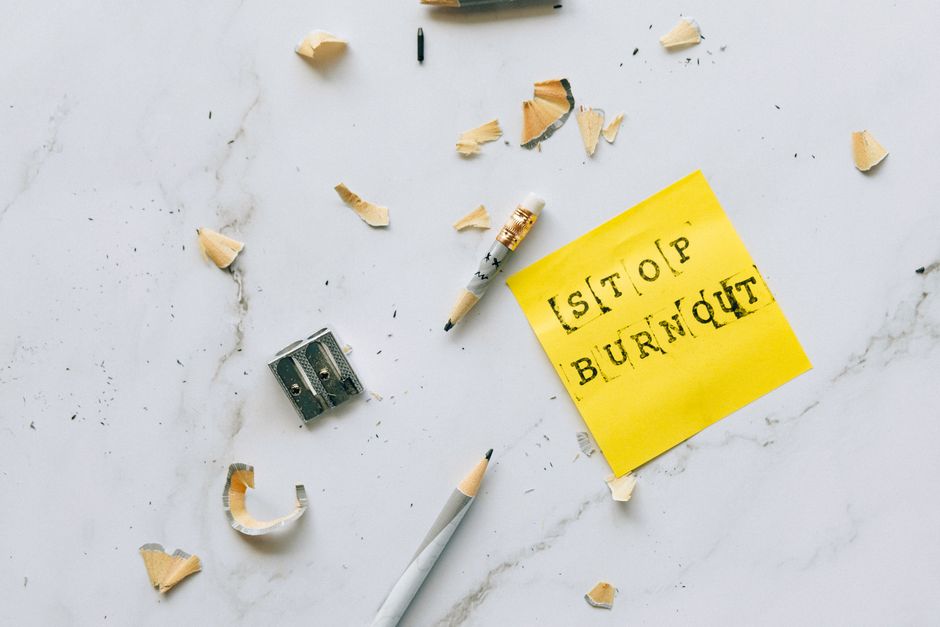
Stress is not a flaw in your character. It is a physical response built into your nervous system, and it follows rules you can learn. The science-backed way to handle stress rests on three things: calming your body’s alarm system in the moment, changing the thought patterns that keep that alarm switched on, and building daily habits that lower your baseline stress level. No single trick does all three. The approaches with the strongest research behind them are slow breathing, regular physical activity, sleep, social connection, and structured practices like mindfulness and cognitive behavioral techniques.
What Actually Happens in Your Body During Stress?
Your body runs two stress systems that work on different timetables. The first is fast. When your brain senses a threat, it signals your adrenal glands through nerves to release adrenaline and noradrenaline. Your heart rate climbs, breathing speeds up, blood vessels tighten, and glucose floods your bloodstream. This takes seconds.
The second system is slower. The hypothalamus signals the pituitary gland, which signals the adrenal glands to release cortisol. Cortisol helps sustain the response by keeping blood sugar available and modulating inflammation and immune activity. This system is meant to switch on, do its job, and switch off.
The problem is not stress itself. The problem is stress that does not turn off. When the cortisol response stays active for weeks or months, it is linked to disrupted sleep, impaired memory and concentration, higher blood pressure, and changes in immune function. Researchers sometimes call this allostatic load — the cumulative wear from a stress system that never fully resets.
One point worth clarifying: the old idea that all stress is harmful is wrong. Short bursts of stress — a deadline, a hard workout, a difficult conversation — can sharpen focus and help you perform. The damage comes from chronic, uncontrollable stress, especially when you feel you have no way out of it.
How Do You Handle Stress Science Backed Answers?
The methods with the strongest evidence fall into three groups: physiological techniques that calm the body, psychological techniques that change how you interpret and respond to stress, and lifestyle factors that raise your stress threshold over time.
Slow Breathing
Slow, controlled breathing directly affects the autonomic nervous system. When you breathe at roughly six breaths per minute — slower than the typical resting rate — heart rate variability tends to increase, which reflects a shift toward the parasympathetic (calming) branch of the nervous system. This is one of the better-supported in-the-moment techniques. It does not require an app or a quiet room. A common approach is to make your exhale longer than your inhale, such as breathing in for a count of four and out for a count of six.
Physical Activity
Regular exercise is one of the most reliable stress reducers in the research literature. Both aerobic activity and resistance training have been studied. The effect appears to come from several routes at once: it clears stress hormones, releases endorphins, improves sleep, and gives your body a physical outlet for the arousal that stress creates. The exact “dose” that works best is not firmly established, and guidelines for general health recommend at least 150 minutes of moderate activity per week. Whether that specific amount is optimal for stress reduction specifically is not settled.
Mindfulness and Meditation
Mindfulness-based stress reduction, developed in the late 1970s, is among the most studied structured programs. It teaches people to observe thoughts and bodily sensations without reacting to them. Research suggests it can reduce symptoms of anxiety and stress in many people, though study quality varies and results are not uniform. It is not a cure, and it does not work for everyone.
Cognitive Behavioral Techniques
Cognitive behavioral therapy targets the thoughts that fuel stress. The core idea is that it is often not the event but your interpretation of it that drives the stress response. Learning to notice and challenge unhelpful thought patterns — catastrophizing, all-or-nothing thinking — has strong evidence for reducing anxiety and stress-related symptoms. These skills can be learned through a therapist or through structured self-help programs.
Which Techniques Work Fastest in the Moment?
When stress spikes, you need something that works in seconds, not weeks. The fastest-acting tools are physiological, because they talk directly to the nervous system rather than going through conscious thought.
- Slow breathing with a longer exhale is the most portable option and the best supported for immediate calming.
- Cold water on the face can trigger the dive reflex, which slows heart rate. This is a real physiological response, though its usefulness for everyday stress is more limited than breathing.
- Brief physical movement — a short walk, stretching — can discharge some of the built-up arousal.
- Naming what you feel may reduce the intensity of the emotion. Some research suggests that putting feelings into words is associated with less activity in the amygdala, a brain region involved in threat detection.
These are not replacements for longer-term strategies. They buy you time so you can respond instead of react.





Does Sleep Really Affect How You Handle Stress?
Yes, and the relationship runs both ways. Poor sleep makes the stress response more reactive, and high stress makes sleep harder. This creates a loop that is easy to fall into and hard to break.
Research consistently shows that sleep deprivation raises cortisol levels and increases activity in the amygdala. In plain terms, a tired brain treats the world as more threatening than a rested one does. Adults generally need seven or more hours of sleep per night, according to broad public health guidance. The exact amount varies by person, and the evidence for a single universal number is not firm.
Improving sleep is not a stress technique in the traditional sense, but it may be one of the highest-leverage changes you can make. The basics are well established: consistent sleep and wake times, a dark and cool room, limiting caffeine in the afternoon, and reducing screens and bright light before bed.
How Much Does Social Connection Matter?
More than most people expect. Loneliness and social isolation are linked to higher stress hormones and worse health outcomes in large population studies. The opposite is also true: supportive relationships appear to buffer the stress response.
This is not just about having people around. It is about feeling supported — having someone you can talk to honestly. The quality of connection matters more than the quantity. A single trusted friend can do more for your stress than a large but shallow social network.
This is one reason why “just relax” advice often fails. Stress is not only an internal problem. It is also shaped by your environment, your relationships, and your sense of control over your life.
What About Supplements and Stress-Relief Products?
This is where the evidence gets thin, and where marketing runs far ahead of science. Many products claim to reduce stress. Few have strong human trial support.
Some supplements have been studied for stress and anxiety, including certain herbs and nutrients. Results are often mixed, study sizes are frequently small, and effects tend to be modest when they appear at all. No supplement has been shown to be as effective as exercise, sleep, therapy, or breathing techniques for managing chronic stress. Anyone considering a supplement should talk to a healthcare provider, especially because supplements can interact with medications and are not tightly regulated for purity or accuracy of labeling in the US.
Be skeptical of any product that promises to “cure” stress or eliminate anxiety. Stress is a normal biological process, not a disease to be cured. The goal is management, not elimination.
Can You Build Long-Term Stress Resilience?
Yes, though resilience is not a fixed trait you either have or lack. It is a set of skills and conditions that can be developed.
The factors most consistently linked to better stress resilience include regular physical activity, adequate sleep, strong social support, a sense of purpose or meaning, and practical coping skills. Some research also points to the value of reframing — viewing stress as your body preparing you to meet a challenge rather than as a sign that something is wrong.
That reframe matters. Studies suggest that people who view stress as enhancing rather than debilitating tend to have better outcomes, though this area of research is still developing and the effects are not uniform.
There is no single habit that makes you stress-proof. Resilience is cumulative. It is built from many small, repeated choices over time, not from one breakthrough.
When Should You Get Professional Help?
Self-management works for many people, but it has limits. If stress is interfering with your sleep, your work, your relationships, or your ability to function day to day, that is a signal to seek professional support. So is stress that comes with persistent low mood, panic, or thoughts of self-harm.
Mental health professionals can offer treatments with solid evidence behind them, including cognitive behavioral therapy and, when appropriate, medication. Asking for help is not a sign of weakness. It is the same logic as seeing a doctor for chest pain — you use the right tool for the problem.
If you are in crisis or having thoughts of harming yourself, contact a crisis line or emergency services right away. In the US, you can call or text 988 to reach the Suicide and Crisis Lifeline.
Frequently Asked Questions
What is the fastest science-backed way to calm down during stress?
Slow breathing with a longer exhale than inhale is the fastest well-supported technique because it directly shifts the nervous system toward calm. It works within a minute or two for most people.
Does exercise really reduce stress?
Yes, regular physical activity is one of the most reliable stress reducers in the research, working through stress hormones, sleep, and mood. General health guidelines recommend at least 150 minutes of moderate activity per week, though the ideal amount for stress specifically is not firmly established.
Can supplements cure stress or anxiety?
No supplement has been shown to cure stress or match the effectiveness of exercise, sleep, therapy, or breathing techniques. Some have been studied with mixed and modest results, so talk to a healthcare provider before trying one.
How much sleep do you need to handle stress well?
Broad public health guidance recommends seven or more hours per night for adults, and sleep loss is known to make the stress response more reactive. The exact amount varies by person.
