
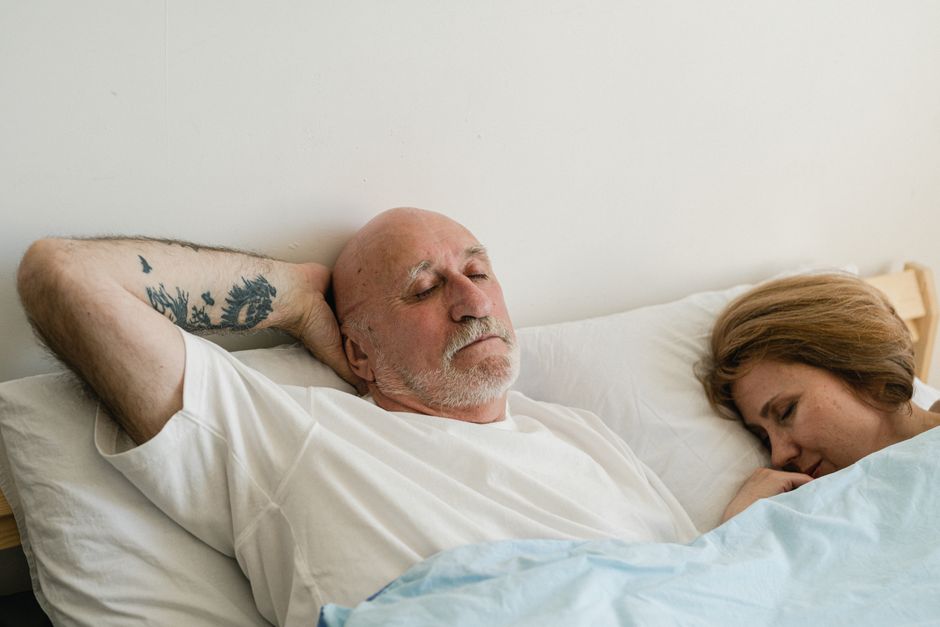
Sleep is not a switch you flip. It is a biological process your body has to be set up for, and most people who sleep badly are working against their own physiology without knowing it. The science-backed fundamentals are consistent: keep a fixed wake time, get bright light early in the day, keep your bedroom cool and dark, limit caffeine after midday, and avoid alcohol as a sleep aid. These steps do not work overnight, and they do not work for every cause of insomnia. But they are the foundation that actual sleep research supports.
Why Does Sleep Matter More Than Most People Realize?
Sleep is when the brain clears metabolic waste, consolidates memory, and regulates hormones that control appetite, blood sugar, and immune function. Cutting it short does not just make you tired. It changes how your body works at a cellular level.
Research has consistently linked chronic short sleep to higher risk of high blood pressure, type 2 diabetes, and cardiovascular disease. The relationship is not simple cause and effect in every case, but the pattern shows up across large population studies again and again.
There is also a point most people miss. Lying in bed awake is not the same as sleeping, and the brain learns from repetition. If you spend weeks tossing and turning in bed, your brain starts to associate the bed with frustration and alertness rather than sleep. Sleep clinicians call this conditioned arousal, and it is one of the main reasons short-term sleep problems turn into long-term ones.
How Much Sleep Do Adults Actually Need?
Most adults need seven to nine hours per night. That range comes from broad consensus across sleep medicine and is not a marketing figure.
But hours alone do not tell the whole story. Sleep runs in cycles of roughly 90 minutes, moving through lighter stages, deep slow-wave sleep, and REM sleep. Deep sleep is when physical repair and hormone regulation are heaviest. REM sleep is tied to emotional processing and memory. Waking up repeatedly fragments these cycles even if your total time in bed looks fine on paper.
Some people genuinely function well on less sleep. That is uncommon, and most people who believe they are in that group are simply accustomed to feeling impaired. If you need an alarm to wake up and caffeine to function, you are probably not getting enough.
What Are the Most Effective Science Backed Tips for Better Sleep?
The strongest evidence supports behavioral changes, not supplements or gadgets. These are the ones with the most consistent research behind them.
- Keep a fixed wake time. This is the single most powerful lever. Your body clock sets itself from when you get up, not when you go to bed. Waking at the same time daily, including weekends, anchors your entire sleep-wake rhythm.
- Get bright light within an hour of waking. Morning light tells your brain to stop producing melatonin and start the clock for the day. Outdoor light is far stronger than indoor light, even on a cloudy day.
- Limit caffeine after early afternoon. Caffeine has a half-life of roughly five to six hours in most adults, meaning a quarter of it can still be in your system ten to twelve hours later. Individual metabolism varies widely.
- Keep your bedroom cool, dark, and quiet. Core body temperature needs to drop for sleep to begin. A room that is too warm works directly against that.
- Get out of bed if you cannot sleep. After roughly 20 minutes of lying awake, move to another room and do something calm and dim until you feel drowsy. This is a core part of cognitive behavioral therapy for insomnia, the most evidence-supported treatment for chronic insomnia.
- Move your body during the day. Regular physical activity is associated with better sleep quality in many studies, though the effect size varies and the timing of exercise matters less than most people assume.



Why Doesn’t Alcohol Actually Help You Sleep?
Alcohol is the most common sleep aid people reach for, and it is one of the worst choices for sleep quality. It is a sedative, not a sleep promoter, and those are not the same thing.
Alcohol may help you fall asleep faster. But as it metabolizes through the night, it causes rebound wakefulness, suppresses REM sleep, and fragments the second half of the night. Many people who drink before bed wake at 3 or 4 a.m. and cannot figure out why. That pattern is a well-documented effect of alcohol on sleep architecture.
Using alcohol regularly to fall asleep also builds tolerance, which means you need more over time for the same effect. That path leads toward dependency, not better rest.
Do Melatonin and Sleep Supplements Work?
Melatonin is a hormone your body already makes, and it signals darkness and timing rather than acting as a sedative. The evidence supports it most clearly for jet lag and for shifting sleep timing in people whose clocks are out of sync. For general insomnia, the evidence is mixed and the effects tend to be modest.
If you do use melatonin, timing matters more than dose. Taking it at the wrong hour can shift your clock the wrong way. No clinical guidelines currently exist for melatonin dosing in children or during pregnancy, and you should talk to a clinician before using it in those situations.
Other sleep supplements, including valerian, magnesium, and various herbal blends, have far weaker evidence. Some studies suggest small benefits. Many show no difference from placebo. No large human trials have confirmed that most over-the-counter sleep supplements reliably improve sleep in the general population. Marketing claims for these products routinely outrun the science.
One thing worth knowing: magnesium deficiency can affect sleep, but deficiency is uncommon in people eating a normal diet. Taking extra magnesium when you are not deficient is unlikely to do much, despite what supplement marketing implies.
What About Sleep Trackers and Wearables?
Consumer sleep trackers can be useful for spotting broad patterns, like whether you consistently go to bed too late. But they are not medical-grade, and their accuracy varies by device and by sleep stage.
Some people develop anxiety from tracking, checking their sleep score every morning and feeling worse when it is low. Clinicians sometimes call this orthosomnia. If a tracker is making you more stressed about sleep, it is working against you. The data is a rough guide, not a verdict.
When Should You See a Doctor About Sleep?
Lifestyle changes help many people. But some sleep problems have medical causes that no amount of good habits will fix.
Talk to a clinician if you snore heavily, gasp or stop breathing during sleep, or wake unrefreshed despite adequate time in bed. These can be signs of sleep apnea, which is common and treatable but not something you can fix with better sleep hygiene. Untreated sleep apnea is linked to serious cardiovascular problems.
Also seek help if insomnia lasts more than a few weeks, if it is affecting your mood or daily function, or if you have restless legs, frequent nighttime urination, or unexplained daytime sleepiness. Cognitive behavioral therapy for insomnia is the first-line treatment for chronic insomnia and has stronger long-term evidence than sleep medication for most people. Some clinicians also use medication, but that decision belongs with a doctor who knows your history.
The honest bottom line: sleep responds to consistency and to removing the things that fight it. It rarely responds to a single trick. If the basics are in place and you are still struggling, that is a signal to look for a cause, not to try harder.
Frequently Asked Questions
How long does it take to fix bad sleep habits?
Most people notice meaningful change within two to four weeks of consistent habits, though this timeline varies and is not guaranteed. Chronic insomnia often needs structured treatment like cognitive behavioral therapy rather than habit changes alone.
Is it bad to use my phone in bed?
Screen light and mental stimulation can delay sleep for many people, but the bigger issue is usually that it keeps you in bed while awake. If you cannot sleep, get out of bed and do something calm and dim instead.
Does melatonin help you stay asleep?
Melatonin mainly helps with sleep timing, such as jet lag, rather than keeping you asleep through the night. The evidence for it as a general insomnia treatment is mixed and effects are typically modest.
Can I catch up on sleep on weekends?
Weekend recovery sleep does not fully undo the effects of weekday sleep loss, and it can shift your body clock later. Keeping a consistent wake time is more effective than trying to catch up.
