
Vaginal thrush is a common fungal infection, and for most women, it clears up quickly with the right treatment. The standard approach is a short course of antifungal medicine, which comes as a cream, a pessary (a tablet inserted into the vagina), or an oral tablet. For a first-time infection or one you have not treated before, seeing a doctor or pharmacist for a proper diagnosis is the safest first step before you buy any product.
What Is Vaginal Thrush and Why Does It Happen?
Thrush is caused by an overgrowth of yeast, usually a type called Candida albicans. This yeast lives naturally in small amounts in the vagina, the mouth, and the digestive tract. In most people it causes no problems at all.
Problems start when something changes the balance in the vagina and allows the yeast to multiply. Common triggers include taking antibiotics, which kill off protective bacteria along with the harmful ones. High estrogen levels from pregnancy or hormone therapy can also encourage yeast growth. Poorly controlled diabetes and a diet very high in sugar can feed the yeast, and wearing tight, non-breathable clothing creates a warm, moist environment where it thrives.
The classic symptoms are itching, soreness, and a thick white discharge that looks a bit like cottage cheese. Some women also feel burning when they urinate or discomfort during sex. These symptoms are uncomfortable, but they are not dangerous in an otherwise healthy woman.
How Do You Get Rid Of Thrush Female Treatment Options: The Standard Medicines
There are two main routes for treating thrush: local treatments and oral treatments. Both work well, and the choice often comes down to personal preference, cost, and whether you have used a particular treatment before.
Local treatments are applied directly to the vagina. You can buy most of them over the counter at a pharmacy without a prescription. They come in two forms:
- Creams: Applied to the skin around the vagina to soothe itching and treat the infection on the surface.
- Pessaries: Small tablets or soft capsules inserted into the vagina, usually with a plastic applicator. They dissolve and treat the infection from the inside.
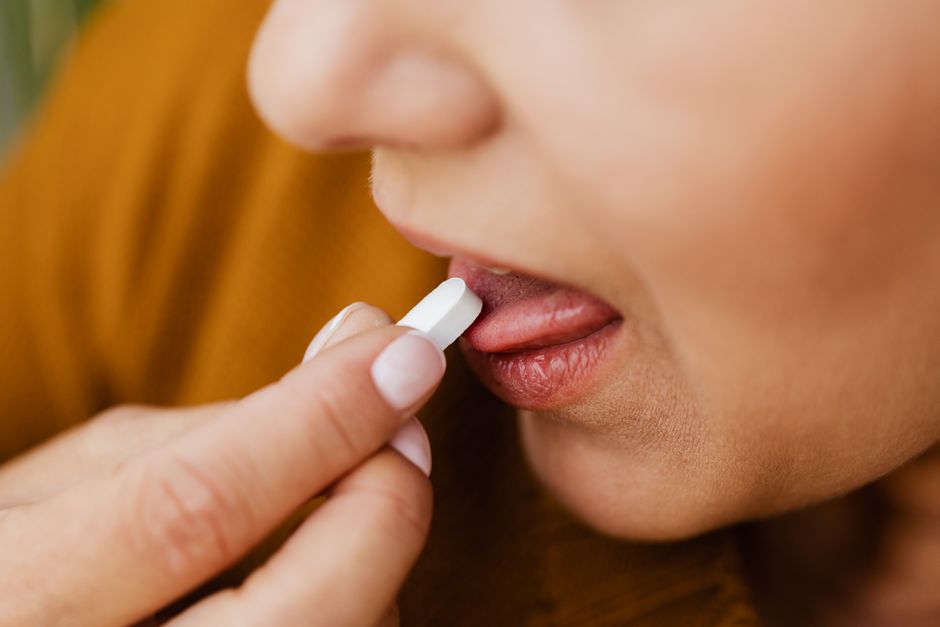
Oral tablets are taken by mouth. The most common one is fluconazole, and it is usually a single dose. This is convenient, but it requires a prescription in many countries. It works by entering the bloodstream and reaching the yeast throughout the body.
Both approaches are effective. A typical course of a local treatment lasts one to seven days depending on the product. The oral tablet is a single dose. Symptoms usually start improving within a day or two, but the infection may take a few more days to fully clear.
When You Should See a Doctor First
You should not assume every vaginal itch is thrush. Several other conditions cause similar symptoms, and treating the wrong one delays real relief.
Bacterial vaginosis, for example, causes a thin, gray discharge with a fishy smell. Sexually transmitted infections can cause itching and discharge too. Skin conditions like eczema or lichen sclerosus can also cause soreness and itching in that area. If you treat these with an antifungal, they will not get better.
See a doctor if this is your first episode of thrush-like symptoms. See a doctor if you are pregnant, if you have had two or more episodes in six months, or if you have a weakened immune system. You should also seek medical advice if your symptoms do not improve after treatment, if you have a fever, or if the discharge has a strong odor. In these cases, a doctor can take a swab to confirm the cause before recommending a treatment.





How Long Does Thrush Take to Clear Up?
With the right treatment, most women notice significant improvement within 24 to 48 hours. Complete resolution usually takes about a week. If you are using a multi-day cream or pessary, finish the full course even if you feel better before it is done. Stopping early can leave a small number of yeast cells behind, and the infection can bounce back.
If your symptoms have not improved after a full course of treatment, or if they get worse, go back to your doctor. This does not necessarily mean the treatment failed. It may mean the diagnosis was wrong, or the yeast is resistant to the specific drug you used. A different class of antifungal usually works in that case.
Why Does Thrush Keep Coming Back?
Recurrent thrush is defined as four or more confirmed episodes in a year. It affects a small percentage of women, and it can be very frustrating. The yeast that causes it is often the same strain, which suggests the problem is not re-infection from a partner or from the environment. It is more likely that the yeast never fully clears, or that something in your body keeps allowing it to overgrow.
Some research suggests that poorly controlled blood sugar, long-term antibiotic use, and certain hormonal factors play a role. In some women, the immune response to the yeast is weaker than normal. The evidence for dietary changes is limited, but some women report that reducing sugar intake helps. There is no strong clinical trial data to confirm that diet alone prevents recurrence.
For women with frequent recurrences, doctors sometimes recommend a longer treatment plan. This may involve a more extended course of an antifungal, or a maintenance dose taken once a week for several months. This approach is based on clinical experience and is supported by some studies, but it is not a cure for everyone. It suppresses the yeast rather than eliminating it permanently.
Home Remedies and What the Evidence Says
You will see many home remedies online for thrush. Yogurt, garlic, tea tree oil, and boric acid are the most common ones. The evidence for most of these is weak or mixed, and some are genuinely unsafe.
Yogurt contains lactobacillus, which is a type of bacteria that lives naturally in a healthy vagina. Some small studies suggest that eating yogurt or applying it vaginally might help, but the evidence is not strong enough to recommend it as a treatment. It is unlikely to cause harm if eaten, but applying it inside the vagina is not a proven therapy.
Tea tree oil is a natural antifungal in laboratory tests. However, it is highly irritating to delicate vaginal tissue, and there is no reliable clinical evidence that it treats thrush in women. Using it can make the burning and soreness worse.
Boric acid capsules are used by some clinicians for thrush that does not respond to standard antifungals. Some studies have found it effective against resistant yeast strains. However, boric acid is toxic if swallowed, and it should never be used during pregnancy. It is not a first-line treatment, and it should only be used under the guidance of a doctor who is experienced with it.
The honest position is this: no home remedy has been proven in large clinical trials to cure vaginal thrush. If you want reliable relief, stick with the established antifungal medicines.
Can You Prevent Thrush From Coming Back?
There is no guaranteed way to prevent thrush, but some habits may reduce your risk. The evidence for these is mostly based on common sense and clinical observation rather than large trials.
Wear cotton underwear and avoid very tight pants. Cotton allows air to circulate and keeps the area drier. Change out of wet swimwear or sweaty workout clothes promptly. Avoid scented soaps, bubble baths, and vaginal deodorants, which can irritate the area and disrupt the natural balance of bacteria and yeast. When you use antibiotics, be aware that you are at higher risk for thrush during that time.
If you have diabetes, keeping your blood sugar under control is one of the most effective things you can do. High glucose levels in tissues feed the yeast. If your blood sugar is well managed, you are less likely to get thrush, and if you do get it, it tends to be milder.
What About Your Partner?
Vaginal thrush is not a sexually transmitted infection. Men can carry the yeast without symptoms, but treating your male partner does not reduce your risk of recurrence. Some women worry they keep re-infecting each other, but the evidence does not support this. The yeast in recurrent cases is usually the same strain, which points to the woman’s own body as the source rather than an external one.
If you are having sex while you have thrush, it can be painful, and the friction can make the soreness worse. It is reasonable to wait until your symptoms have cleared before resuming sexual activity. Condoms may not protect against thrush because the yeast lives in the vagina itself, not just in fluids.
When Thrush Is Not Thrush
It is worth repeating: the symptoms of thrush overlap with other conditions. If you have had thrush before and this feels exactly the same, treating it yourself is reasonable. But if anything feels different, or if you have never had it before, get a proper diagnosis.
A doctor can examine the area and take a swab to identify the exact organism. This matters because some yeast species are resistant to the standard treatments. If you have a resistant strain, you may need a different drug, a longer course, or a combination of treatments. Guessing wrong means you suffer longer and may end up with a more complicated problem.
Frequently Asked Questions
Can I treat thrush without seeing a doctor?
Yes, if you have had thrush before and your symptoms are identical, you can buy antifungal creams or pessaries over the counter at a pharmacy. See a doctor if this is your first episode, if you are pregnant, or if symptoms do not improve within a few days.
Is a single oral tablet as effective as a vaginal cream?
Yes, both the oral tablet and vaginal treatments are effective for uncomplicated thrush. The oral tablet is more convenient, but the creams and pessaries are available without a prescription in most places.
Can I have sex while treating thrush?
It is best to avoid sex until the infection clears. Thrush can make intercourse painful, and the treatment creams and pessaries may weaken condoms and diaphragms.
How soon after treatment will I feel better?
Most women notice improvement within 24 to 48 hours of starting treatment. Finish the full course of any multi-day treatment even if you feel better early, and see a doctor if symptoms last more than a week.
