
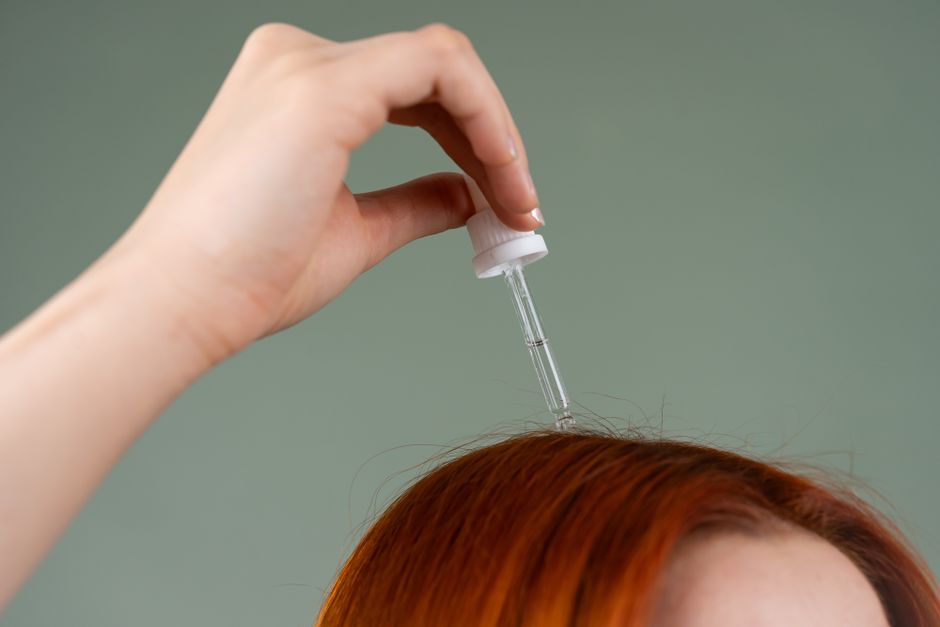
A flaky scalp is frustrating. You brush your shoulders off, and within hours the white specks are back. Getting rid of it requires a specific order of steps, not random products. First, identify your flake type — dry skin flakes are small and white, while dandruff flakes are larger and yellowish. Next, choose a shampoo based on that type. Wash your scalp thoroughly, not just your hair. If over-the-counter options fail after four weeks, see a dermatologist. That is the direct path. Below is the full breakdown.
What causes a flaky scalp in the first place?
Understanding the root cause saves you from wasting money on the wrong treatment. The most common cause is seborrheic dermatitis. The American Academy of Dermatology states this condition affects about 3 to 5 percent of the population. It happens when yeast called Malassezia grows too much on your scalp. Your immune system reacts, causing inflammation, redness, and those yellowish flakes.
Dry skin is another common cause. This produces smaller, whiter flakes without redness or oiliness. Cold weather, indoor heating, and harsh soaps make it worse. Less common causes include psoriasis (thick silvery scales), contact dermatitis from hair products, and rarely, head lice. If your scalp burns or itches intensely, see a doctor. Do not self-diagnose for more than a few weeks.
How Do You Get Rid Of A Flaky Scalp with the right shampoo?
Shampoo is the first-line treatment, but you need the right active ingredient for your flake type. For dandruff caused by yeast, look for ketoconazole. A 2014 study in the Journal of Drugs in Dermatology found that ketoconazole 2% shampoo significantly reduced Malassezia levels after just two weeks. Use it twice per week. Leave it on your scalp for three to five minutes before rinsing. Do not rinse immediately.
For dry skin flakes, avoid strong antifungals. Use a moisturizing shampoo with pyrithione zinc or selenium sulfide instead. These ingredients reduce scaling without stripping natural oils. The National Eczema Association recommends shampoos with these ingredients for mild scalp eczema. If you have thick, silvery plaques, you may need a coal tar shampoo. Coal tar slows skin cell growth and is one of the oldest proven treatments for scalp psoriasis.
Here is a quick comparison of common active ingredients:
| Ingredient | Best For | How Often | Leave-On Time |
|---|---|---|---|
| Ketoconazole | Dandruff, seborrheic dermatitis | 2x per week | 3-5 minutes |
| Pyrithione zinc | Dry skin, mild dandruff | Daily or every other day | 1-2 minutes |
| Selenium sulfide | Oily scalp, yellow flakes | 2x per week | 2-3 minutes |
| Coal tar | Psoriasis, stubborn scales | 1-2x per week | 5 minutes |
| Salicylic acid | Thick scale buildup | 2-3x per week | 3 minutes |
Rotate between two different active ingredients if one stops working. This prevents the yeast from adapting. For example, use ketoconazole on Monday and pyrithione zinc on Thursday.
What washing technique actually removes flakes?
Most people wash their hair wrong for flaky scalp treatment. You need to wash your scalp, not your hair length. The flakes come from the skin on your head, not the hair shaft. Part your hair into sections and apply shampoo directly to your scalp. Use your fingertips, not your nails, to scrub. Scratching with nails damages the skin barrier and makes flaking worse. A 2020 review in Dermatology and Therapy emphasized that gentle mechanical action combined with medicated shampoo is more effective than shampoo alone.
Water temperature matters. Hot water strips natural oils and dries out the scalp. Use lukewarm water for washing and cool water for the final rinse. Cool water helps close pores and reduces inflammation. Do not wash your hair every day unless your scalp is extremely oily. Overwashing dries the scalp and triggers more flaking. Every other day is usually enough.
After washing, pat your scalp dry with a clean towel. Do not rub vigorously. Rubbing spreads flakes and irritates the skin. Air drying is better than a hot blow dryer. If you must use a dryer, keep it on the lowest heat setting and hold it at least six inches from your scalp.





Are home remedies backed by evidence?
Tea tree oil has the best evidence among natural remedies. A 2002 study in the Journal of the American Academy of Dermatology found that 5% tea tree oil shampoo reduced dandruff severity by 41% after four weeks. That is a real effect, though weaker than medicated shampoos. If you try it, dilute it. Pure tea tree oil can burn your scalp. Mix a few drops with a carrier oil like coconut oil or jojoba oil. Do a patch test on your inner arm first.
Apple cider vinegar is widely claimed to balance scalp pH and kill yeast. Strong evidence is limited. Some people report improvement, but no large clinical trials confirm it. If you try it, dilute one part vinegar with three parts water. Apply it after shampooing and rinse after two minutes. Undiluted vinegar can cause chemical burns. Aloe vera gel is safe and soothing but not a standalone treatment. It reduces redness temporarily but does not kill the yeast or remove scales.
Coconut oil has antifungal properties in lab studies. A 2007 study in the Journal of Medicinal Food showed coconut oil killed Candida yeast in a petri dish. Whether it works on a human scalp with Malassezia is less clear. It can also clog hair follicles if you leave it on too long. Use it sparingly, massage into the scalp 15 minutes before washing, and rinse thoroughly.
What common mistakes make a flaky scalp worse?
The biggest mistake is scratching. Scratching removes flakes temporarily but damages the skin barrier. Damaged skin flakes more. It is a vicious cycle. If your scalp itches, apply a cool compress or use an anti-itch shampoo with menthol or pramoxine. Do not scratch.
Another mistake is overusing dry shampoo. Dry shampoo absorbs oil but does not remove dead skin cells or yeast. It builds up on the scalp, trapping flakes and making the problem worse. Use dry shampoo only between washes, not as a replacement for washing. A third mistake is skipping conditioner because your scalp is oily. Conditioner hydrates the hair, not the scalp. Apply it only to your hair ends, not your roots. A dry scalp without conditioner flakes more.
Some people switch shampoos too quickly. Medicated shampoos take two to four weeks to show results. Using a different product every few days does not allow enough time for the active ingredient to work. Pick one treatment and stick with it for at least a month before judging effectiveness. If you see no improvement after four weeks of consistent use, see a dermatologist.
When should you see a dermatologist for a flaky scalp?
If over-the-counter shampoos do not work after four weeks, it is time for professional help. A dermatologist can prescribe stronger treatments. Prescription-strength ketoconazole 2% foam or clobetasol solution is often effective for stubborn cases. A 2015 study in the Journal of the European Academy of Dermatology and Venereology found that clobetasol foam reduced scaling by 80% in patients with severe seborrheic dermatitis after two weeks.
See a doctor immediately if you have any of these signs: bleeding, oozing, or crusting on your scalp; hair loss in patches; fever; or flakes that extend beyond your scalp to your face, chest, or back. These could indicate a more serious condition like tinea capitis (scalp ringworm) or severe psoriasis. Scalp ringworm requires oral antifungal medication. It does not respond to shampoos alone.
Your dermatologist may also check for nutritional deficiencies. Low zinc, vitamin B6, or niacin can contribute to a flaky scalp. A 2019 study in the Journal of Clinical and Aesthetic Dermatology found that people with dandruff had significantly lower zinc levels than healthy controls. A simple blood test can identify deficiencies. Correcting them with diet or supplements may help, though this is not a first-line treatment.
Frequently Asked Questions
Can I use dandruff shampoo every day?
For most people, every other day is better to avoid drying out the scalp. If your scalp is very oily, daily use is acceptable with a gentle formula.
Does stress cause a flaky scalp?
Stress does not directly cause flakes, but it can trigger or worsen seborrheic dermatitis in people who are prone to it.
Is a flaky scalp contagious?
No. Dandruff, dry skin, and seborrheic dermatitis are not contagious. Only scalp ringworm, which is rare in adults, can spread to others.
Can diet changes help a flaky scalp?
Some evidence suggests that reducing sugar and processed foods may help by lowering inflammation, but diet alone rarely resolves the issue.
