
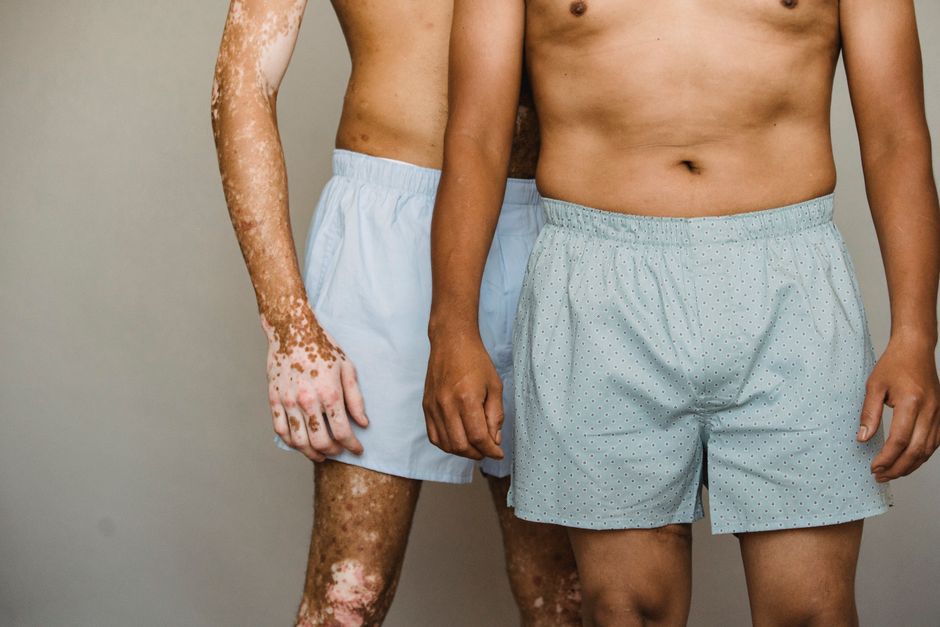
Plaque psoriasis is not something you catch from another person. It is an autoimmune condition where your immune system attacks healthy skin cells by mistake, causing them to grow too fast. This leads to raised, red patches covered with silvery scales. You get plaque psoriasis because of a mix of your genes and something in your environment that flips the switch. It is not contagious, not caused by poor hygiene, and not something you can control through lifestyle alone.
What Exactly Causes Plaque Psoriasis in the Body?
Your immune system is the main driver. In plaque psoriasis, T-cells (a type of white blood cell) become overactive. They release chemicals called cytokines, especially tumor necrosis factor-alpha (TNF-alpha) and interleukins. These signals tell your skin cells to multiply about five times faster than normal.
Normal skin cells take about a month to mature and shed. In psoriasis, this process speeds up to just a few days. The cells pile up on the surface instead of falling off. That buildup is what creates the thick, scaly plaques. The redness comes from increased blood flow to the area, caused by inflammation.
Research published in the Journal of the American Academy of Dermatology confirms that this immune misfire is the core mechanism. No single cell type is to blame. It is a complex chain reaction involving multiple immune pathways.
Is Plaque Psoriasis Genetic? What Do Studies Show?
Yes, genetics play a major role. The National Psoriasis Foundation reports that about one-third of people with psoriasis have a close family member with the condition. If one parent has psoriasis, your risk is about 10 to 15 percent. If both parents have it, your risk jumps to around 50 percent.
Researchers have identified over 60 gene variants linked to psoriasis. The strongest connection is with the HLA-Cw6 gene. People with this variant are much more likely to develop early-onset plaque psoriasis. However, having the gene does not guarantee you will get the disease. Most people with these genes never develop symptoms.
This is where the “gene plus trigger” model comes in. Your genes load the gun. Something in your environment pulls the trigger. Without that trigger, the genes may stay silent for your whole life.
What Are the Most Common Triggers for Plaque Psoriasis?
Even if you have the genetic risk, you need a trigger to activate the condition. The most well-documented triggers include infections, stress, skin injuries, medications, and weather changes.
Infections are the most common trigger, especially strep throat. Research in the British Journal of Dermatology found that streptococcal infections can trigger guttate psoriasis, which often turns into chronic plaque psoriasis. The immune response to the bacteria cross-reacts with skin cells.
Stress is another major trigger. When you are stressed, your body releases cortisol and other stress hormones. These hormones can directly activate inflammatory pathways. A 2020 study in JAMA Dermatology found that people reporting high stress levels were three times more likely to have a psoriasis flare within the next month.
Skin injuries can trigger psoriasis at the site of the injury. This is called the Koebner phenomenon. A cut, scrape, sunburn, or even a tattoo can cause a new plaque to form. It usually appears 10 to 14 days after the injury.
Medications can also trigger or worsen psoriasis. Beta-blockers for high blood pressure, lithium for bipolar disorder, and antimalarial drugs are common culprits. Some people also react to NSAIDs like ibuprofen or naproxen.
Weather matters too. Cold, dry air can trigger flares. Sunlight often helps because UV light suppresses the immune response in the skin. But too much sun can cause sunburn, which is a skin injury and can trigger psoriasis through the Koebner phenomenon.




How Do You Get Plaque Psoriasis Causes Triggers: The Full Picture
To understand how you get plaque psoriasis, you have to see the whole chain. It starts with inherited genes, especially the HLA-Cw6 variant and others in the immune system. Then a trigger event happens. That trigger could be a strep infection, a stressful life event, a skin injury, or starting a new medication.
Once the trigger activates the immune system, the inflammation does not stop easily. In people without psoriasis, inflammation resolves after the trigger is gone. In people with psoriasis, the immune system stays switched on. The skin keeps producing cells too fast.
This is why plaque psoriasis is a chronic condition. Even if the first plaque clears, the underlying immune dysfunction remains. New triggers can cause new flares at any time. That is also why treatment focuses on controlling the immune response, not just treating the skin symptoms.
What Lifestyle Factors Actually Matter for Plaque Psoriasis?
Lifestyle choices do not cause psoriasis, but they can influence how often you flare and how severe the flares are. The evidence for some factors is stronger than others.
| Factor | What the Evidence Says |
|---|---|
| Smoking | Strong link. Smokers have about twice the risk of developing psoriasis. Smoking also makes existing psoriasis harder to treat. |
| Alcohol | Moderate link. Heavy drinking is associated with more severe psoriasis. Some studies suggest even moderate drinking can trigger flares. |
| Diet | Weak to moderate link. Some people report that gluten, dairy, or nightshade vegetables worsen symptoms. Large controlled studies are lacking. An anti-inflammatory diet (rich in fruits, vegetables, and omega-3s) may help some people. |
| Weight | Moderate link. Higher body mass index is associated with more severe psoriasis. Fat tissue produces inflammatory chemicals that can worsen the condition. |
It is important to be honest here. Changing your diet or quitting smoking will not cure psoriasis. But these changes may reduce the frequency and severity of flares. The American Academy of Dermatology recommends weight management and smoking cessation as part of a comprehensive treatment plan.
What Treatments Actually Work for Plaque Psoriasis?
Treatment options range from topical creams to systemic medications. The right choice depends on how much of your body is affected and how severe the symptoms are.
Topical treatments are the first line for mild to moderate psoriasis. Corticosteroid creams reduce inflammation and slow skin cell growth. Vitamin D analogs like calcipotriene also slow cell growth. Topical retinoids and coal tar preparations are other options. These work best when used consistently, not just during flares.
Phototherapy uses ultraviolet light to suppress the immune response in the skin. Narrowband UVB is the most common type. The American Academy of Dermatology reports that about 70 percent of people see significant improvement after 20 to 30 sessions. PUVA (psoralen plus UVA) is another option for more resistant cases.
Systemic medications are for moderate to severe psoriasis. Methotrexate, cyclosporine, and acitretin are oral drugs that suppress the immune system. Biologics are a newer class of injectable drugs that target specific immune signals like TNF-alpha or interleukins. The British Association of Dermatologists states that biologics are highly effective, with many patients achieving clear or almost clear skin.
What does not work? Over-the-counter antifungal creams, antibacterial soaps, and herbal supplements with no clinical evidence. Some people report improvement with aloe vera or apple cider vinegar, but large controlled studies are missing. The National Psoriasis Foundation advises caution with unproven remedies because they can sometimes worsen the condition.
Common Misconceptions About Plaque Psoriasis
There are many myths about how you get plaque psoriasis. Here are the most common ones, with the facts.
- Myth: Psoriasis is contagious. Fact: It is an autoimmune condition. You cannot catch it from touching someone, sharing towels, or swimming in the same pool.
- Myth: Psoriasis is caused by poor hygiene. Fact: The plaques are from rapid skin cell growth, not dirt or bacteria. Washing more will not help and may irritate the skin.
- Myth: Psoriasis is just a skin condition. Fact: It is a systemic inflammatory disease. People with psoriasis have higher rates of psoriatic arthritis, cardiovascular disease, and depression.
- Myth: You can cure psoriasis with diet alone. Fact: No diet has been proven to cure psoriasis. Some people find that certain foods trigger flares, but the underlying immune dysfunction remains.
- Myth: Only adults get psoriasis. Fact: Psoriasis can start at any age. There are two peak onset periods: one in the late teens to early twenties, and another in the fifties and sixties.
Understanding what is true and what is not matters because it affects how you approach treatment. Believing a myth can lead to wasted time, money, and frustration. Stick with what the evidence actually supports.
What to Avoid If You Have Plaque Psoriasis
Certain things can make plaque psoriasis worse or trigger new flares. Avoiding them does not guarantee you will stay clear, but it reduces the odds.
Avoid skin injuries. Be careful with shaving, tattoos, and even aggressive scratching. The Koebner phenomenon is real. A minor cut can turn into a plaque that lasts for months.
Avoid excessive alcohol. The evidence is consistent that heavy drinking worsens psoriasis. It also interferes with some treatments like methotrexate. If you drink, do so in moderation or not at all.
Avoid sudden medication changes. If you are on a beta-blocker or lithium, talk to your doctor before stopping. Abrupt changes can trigger a flare. Your doctor may be able to switch you to a different medication that does not affect psoriasis.
Avoid extreme cold and dry air. Use a humidifier in winter. Moisturize regularly with thick creams or ointments. Dry skin is more prone to cracking and triggering the Koebner phenomenon.
Avoid unproven “cures.” If a product claims to cure psoriasis permanently, it is almost certainly a scam. There is no cure. But there are effective treatments that can keep your skin clear for long periods.
Frequently Asked Questions
Can you get plaque psoriasis from stress alone?
Stress is a well-known trigger but it is not the cause by itself. You need the genetic predisposition first. Stress then activates the immune response that leads to plaques.
Is plaque psoriasis the same as eczema?
No. Psoriasis is an autoimmune condition with rapid skin cell growth. Eczema is a skin barrier dysfunction with inflammation. They look different and require different treatments.
Can children get plaque psoriasis?
Yes. About one-third of all psoriasis cases begin in childhood. The triggers are similar to adults, including infections and stress. Treatment is adjusted for age and weight.
Does diet cause plaque psoriasis?
No. No specific food causes psoriasis. Some people find that certain foods like gluten or dairy trigger flares, but this is individual. An anti-inflammatory diet may help some people.
