
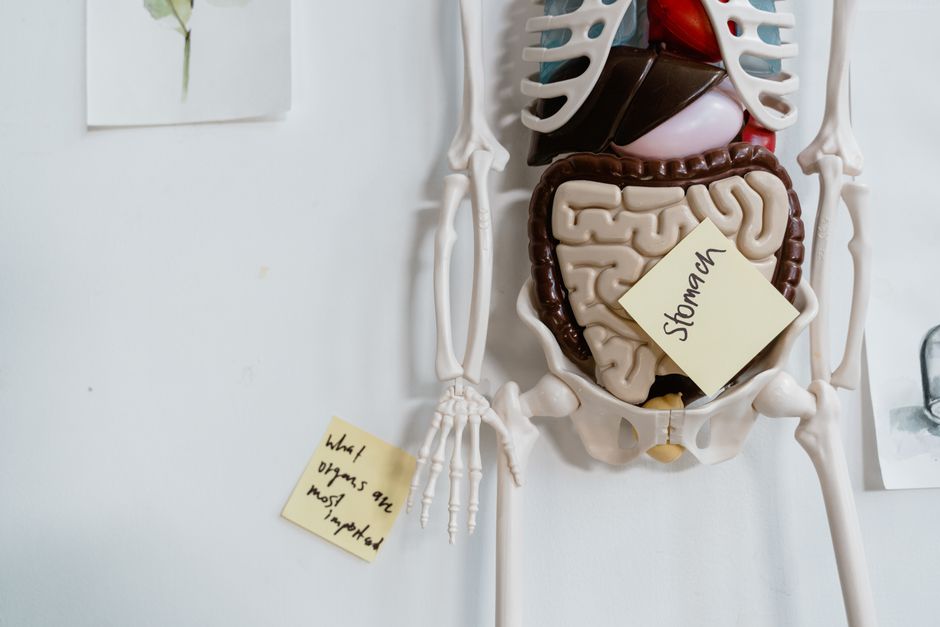
The stomach vacuum is an isometric core exercise that works a deep abdominal muscle called the transversus abdominis. You perform it by pulling your belly button inward toward your spine and holding that position while breathing normally. It is a legitimate exercise used in rehabilitation and athletic training, but it is not a method for spot-reducing belly fat. Here is how to do it correctly, what it actually does, and what it cannot do.
What Is the Stomach Vacuum Exercise?
The stomach vacuum is an exercise that targets the transversus abdominis (TrA). This is the deepest layer of the abdominal wall. It wraps around your torso like a corset, running horizontally from your lower ribs to your pelvis.
Unlike crunches or planks, which target the outer rectus abdominis (the “six-pack” muscle), the stomach vacuum involves no movement of the spine or hips. You are holding a static contraction. The goal is to draw the navel inward and upward toward the spine and hold it.
The exercise has roots in bodybuilding from the 1960s and 1970s. Bodybuilders like Arnold Schwarzenegger used it to create a narrow waistline on stage. Today, physical therapists use similar activation techniques for core stability and low back rehabilitation.
How Do You Do the Stomach Vacuum? Step-by-Step
Start with the easiest version before moving to harder ones. The basic technique is the same across all positions.
- Get into position. Start on all fours. Hands under shoulders, knees under hips. Keep your spine neutral — don’t arch or round it.
- Exhale fully. Breathe out completely to empty your lungs.
- Pull in. Draw your belly button up and in toward your spine. Imagine trying to touch your navel to your back.
- Hold. Keep breathing normally while holding the contraction. Your ribcage should stay still. Your lower back should not move.
- Release. Relax the muscles and return to a normal breathing pattern.
Start by holding for 10 to 15 seconds. Work up to 30 seconds. Do 3 to 5 repetitions per session. A few sessions per week is reasonable for a beginner.
You should feel a deep tension in your lower abdomen. You should not feel pain in your back or strain in your neck. If you cannot breathe while holding the position, you are pulling too hard or holding too long.
Stomach Vacuum Variations: From Beginner to Advanced
Once you master the all-fours position, you can progress. Each variation increases the demand on your core because your body must work harder to stabilize.
Seated vacuum. Sit upright in a chair. Feet flat on the floor. Perform the same pull-in and hold. This is good for office workers because it can be done discreetly.
Standing vacuum. Stand with feet shoulder-width apart. Keep your chest lifted. Pull in and hold. This is the most functional position because it mimics how your core works during daily activities.
Kneeling vacuum. Kneel on the floor with your torso upright. This removes the support of a chair and requires more balance.
Lying vacuum. Lie on your back with knees bent and feet flat on the floor. This is often the easiest position for beginners to feel the muscle engage because the spine is supported.
You do not need to do every variation. Pick one or two and stay consistent. Consistency matters more than intensity.





What Muscle Does the Stomach Vacuum Actually Work?
The primary target is the transversus abdominis. This muscle is often called the “corset muscle” because of its horizontal fiber direction. When it contracts, it increases tension in the abdominal wall and pulls the contents of the abdomen inward.
The exercise also involves the pelvic floor muscles and the diaphragm. These three structures — the TrA, pelvic floor, and diaphragm — work together to manage intra-abdominal pressure. This is why the stomach vacuum is used in rehabilitation settings.
Research consistently shows that the transversus abdominis is active during hollowing maneuvers like the stomach vacuum. The evidence is strong that this exercise activates the TrA more than traditional crunches do.
However, the stomach vacuum does not significantly work the rectus abdominis or the obliques. If you want stronger visible abs, you need other exercises. The stomach vacuum is not a replacement for a full core workout.
What the Stomach Vacuum Can and Cannot Do
The stomach vacuum can improve your ability to activate your deep core muscles. This can be useful for core stability, posture, and certain types of back pain management. Some research suggests that TrA training may help people with chronic low back pain, though the evidence is mixed and results vary between individuals.
The stomach vacuum cannot reduce belly fat. No exercise can target fat loss from a specific area of the body. This concept is called spot reduction, and it has been repeatedly disproven in research. When you lose body fat, you lose it from everywhere, and genetics largely determine where it comes off first.
If your goal is a flatter stomach, the stomach vacuum alone will not get you there. Fat loss requires a calorie deficit — eating fewer calories than your body burns. Exercise supports this by increasing calorie expenditure, but the stomach vacuum burns very few calories because it is a static hold rather than a high-energy movement.
Some marketing claims suggest the stomach vacuum can shrink your waistline by “training your waist to stay pulled in.” No clinical evidence currently confirms this. The exercise can strengthen the TrA, but whether that translates to a permanently narrower waist is not established.
Stomach Vacuum vs. Plank: Which Is Better?
These exercises train different muscles in different ways. Comparing them directly is not entirely useful because they serve different purposes.
The plank is an anti-extension exercise. It trains your core to resist movement — specifically, it prevents your lower back from sagging. It works the rectus abdominis, obliques, and transversus abdominis together. It also engages your shoulders, chest, and legs to some degree.
The stomach vacuum is an isolated contraction of the transversus abdominis. It does not require the same full-body stabilization as a plank.
If you can only choose one, the plank is generally the better all-around core exercise because it trains more muscles and builds more functional stability. If you want to specifically train your deep core or you are doing rehabilitation work, the stomach vacuum has a place.
They are not mutually exclusive. Many people include both in their routines.
Common Mistakes and How to Avoid Them
Holding your breath. This is the most common mistake. The point of the exercise is to maintain the contraction while breathing normally. If you hold your breath, you create unnecessary pressure and reduce the training effect.
Using your outer abs. Some people pull in by flexing their rectus abdominis or crunching forward. This is not the stomach vacuum. Your ribcage should stay still. Only the navel moves inward.
Rounding your back. In the all-fours position, you might be tempted to round your spine to make the pull-in feel stronger. This shifts the work away from the TrA and onto other muscles. Keep your spine neutral.
Overdoing it. The stomach vacuum is a subtle exercise. It should not cause pain or extreme fatigue. If you feel lightheaded, stop. If your lower back hurts, you are likely doing it incorrectly.
Who Should Avoid the Stomach Vacuum?
Most healthy adults can perform the stomach vacuum safely. However, it is not appropriate for everyone.
People with diastasis recti — a separation of the abdominal muscles that commonly occurs during pregnancy — should be cautious. Some rehabilitation approaches use TrA activation for diastasis recti, but the evidence is still developing. If you have diastasis recti, consult a physical therapist before attempting this exercise.
People with pelvic floor disorders should also seek professional guidance. The stomach vacuum involves the pelvic floor, and doing it incorrectly could worsen certain conditions.
If you have high blood pressure, be cautious. Holding your breath or straining during the exercise can cause a temporary spike in blood pressure. Focus on breathing normally throughout the hold.
Pregnant women should not start this exercise without discussing it with their obstetric provider. No clinical guidelines currently exist for stomach vacuum use during pregnancy.
How Long Before You See Results?
Results depend entirely on your goal. If your goal is better core activation or improved posture, you might notice changes within a few weeks of consistent practice. If your goal is a flatter stomach, you will not see results from this exercise alone because it does not burn significant fat.
Some research suggests that TrA training can improve core stability measures in as little as several weeks. However, the studies vary in duration and outcome measures, so it is difficult to give a precise timeline.
Be realistic about what this exercise can do. It is a tool for muscle activation and core stability. It is not a fat-loss method and not a substitute for a balanced exercise program.
Frequently Asked Questions
How often should I do the stomach vacuum exercise?
Three to five times per week is reasonable for most people. The muscle needs recovery time, so daily practice is not necessary.
Can the stomach vacuum give you a smaller waist?
No clinical evidence currently confirms that the stomach vacuum permanently shrinks your waistline. It strengthens the deep core muscle, but it does not remove fat from your midsection.
Is the stomach vacuum safe for beginners?
Yes, for most healthy adults, when done correctly. Start with a short hold of 10 to 15 seconds and focus on breathing normally throughout.
Does the stomach vacuum help with back pain?
Some research suggests that transversus abdominis training may help certain types of low back pain, but the evidence is mixed. Consult a physical therapist for a personalized assessment.
