
Your lungs do a remarkable job of cleaning themselves every single day. They have built-in systems that trap dust, filter out germs, and remove mucus. You do not need special products or detox teas to make this happen. The best way to support your lungs is to stop adding new irritants and give your body what it needs to do its natural work. Here is the step-by-step reality of how to clean your lungs, based on what medical evidence actually shows.
What Does “Cleaning Your Lungs” Actually Mean?
The idea of “cleaning” your lungs is a bit of a myth if you picture scrubbing the inside of a pipe. Your lungs are not a hollow tube. They are made of spongy tissue with millions of tiny air sacs called alveoli. These sacs are where oxygen enters your blood and carbon dioxide leaves it.
Your body already has a cleaning system. Cells in your airways produce mucus that traps dust, bacteria, and other particles. Tiny hair-like structures called cilia line your airways and sweep that mucus upward. When it reaches your throat, you either swallow it or cough it out. This process runs 24 hours a day without any effort from you.
What you can do is protect this system and help it work better. The steps below focus on removing ongoing damage and supporting the natural repair process. They are not quick fixes. Lung healing takes time, sometimes months or years depending on the damage.
Step 1: Stop Adding Irritants
The single most important step is also the most obvious one. If you smoke, quitting is the most effective thing you can do for your lungs. Studies consistently show that lung function stabilizes after you quit, and the risk of lung infections and chronic disease drops over time.
This goes beyond cigarettes. Avoid vaping if you do not already vape, and consider stopping if you do. The long-term effects of vaping are still being studied, but it is not harmless. Secondhand smoke matters too. If you live with someone who smokes, their smoke is still reaching your lungs.
Indoor air quality is part of this step. Common household irritants include dust, mold, pet dander, and fumes from cleaning products. If you live in an area with poor outdoor air quality, check local air quality reports and limit time outside on high-pollution days.
Step 2: Address the Cough Productively
A cough is not always a bad thing. A productive cough — one that brings up mucus — is your lungs clearing themselves. Suppressing that cough with medication can sometimes make things worse because the mucus stays trapped.
If you have a wet cough from a cold or respiratory infection, the goal is to make the mucus easier to move. Staying hydrated helps keep mucus thinner. Warm fluids like tea or broth can be soothing. Some research suggests that honey can help with nighttime cough in adults, though it should never be given to infants under one year old.
If a cough lasts more than three weeks, or if you cough up blood, see a doctor. This is not something to manage on your own.





Step 3: Use Controlled Breathing Techniques
Breathing exercises do not scrub your lungs, but they do help them work more efficiently. When you breathe shallowly, the lower parts of your lungs do not fully expand. This can allow mucus to pool in those areas.
Deep breathing exercises encourage full expansion of the lungs. One common technique is diaphragmatic breathing. Sit comfortably, place one hand on your belly, and breathe in slowly through your nose. Your belly should rise more than your chest. Exhale slowly through pursed lips. Repeat for five to ten minutes.
Another technique is called the “huff cough.” Instead of a forceful cough that can tire you out, you take a medium breath in, then exhale forcefully through an open mouth while saying “huff.” This moves mucus up from smaller airways without the strain of a full cough. This technique is commonly taught in pulmonary rehabilitation programs.
Step 4: Move Your Body Regularly
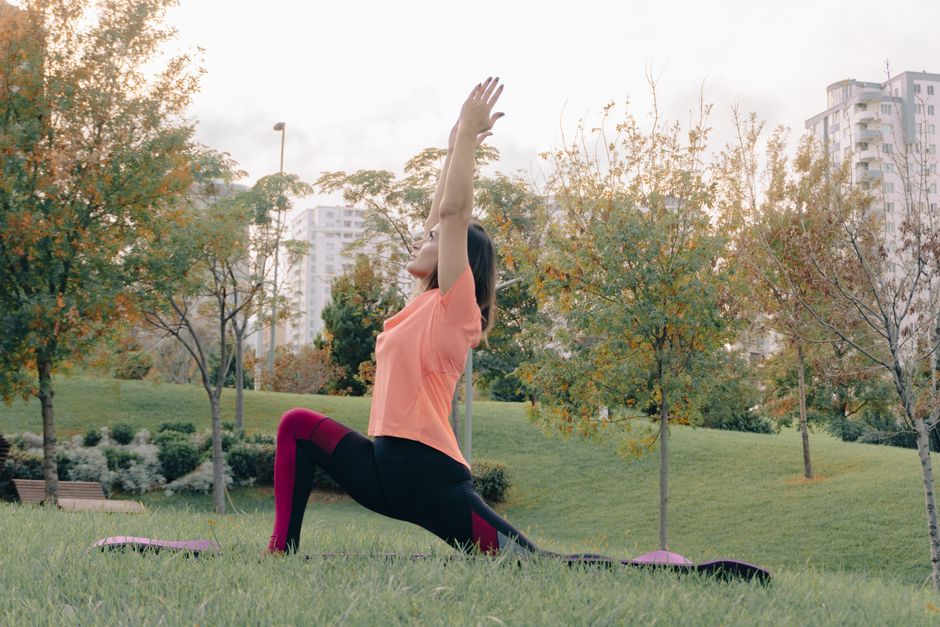
Exercise is one of the few things with strong evidence behind it for lung health. Physical activity makes you breathe deeper and faster, which exercises your respiratory muscles and encourages your lungs to expand fully.
Regular aerobic exercise like walking, cycling, or swimming improves how efficiently your body uses oxygen. It does not reverse permanent lung damage, but it can improve how you feel and how well you function with the lung capacity you have.
If you have a chronic lung condition like COPD or asthma, talk to your doctor before starting a new exercise program. They can guide you on safe intensity levels. For most healthy adults, moderate exercise most days of the week is a reasonable goal.
Step 5: Stay Hydrated for Mucus Health
Your airway mucus is mostly water. When you are dehydrated, mucus becomes thicker and stickier. This makes it harder for your cilia to sweep it upward and out of your lungs.
The common advice to drink eight glasses of water a day is not backed by a specific scientific threshold, but staying adequately hydrated is generally good for mucus consistency. A practical approach is to drink when you are thirsty and to monitor urine color. Pale yellow usually indicates adequate hydration.
There is no evidence that chugging extra water beyond normal hydration clears your lungs faster. It simply helps maintain normal mucus function. If you have heart or kidney conditions, check with your doctor about appropriate fluid intake.
What About Steam, Salt Therapy, and Lung Detox Products?
Steam inhalation is a common home remedy. Some people find it soothing, and it may temporarily help loosen mucus. However, clinical evidence for its effectiveness is limited. If you try it, use caution. Boiling water can cause serious burns, and steam does not reach deep into the lungs.
Salt therapy, also called halotherapy, involves sitting in a room with aerosolized salt particles. Some spas market it as a lung cleanser. There is no solid clinical evidence that it improves lung function or clears toxins. A few small studies suggest it might help certain symptoms, but the overall evidence is weak.
Lung detox teas, supplements, and herbal blends are popular online. None of them have been proven to clean your lungs. Your body does not store “toxins” in lung tissue that need flushing out. If a product promises to remove years of smoking damage in weeks, it is not telling the truth. Be especially careful with supplements that claim to “repair” lung tissue — no supplement has been shown to do this in human trials.
When to See a Doctor About Your Lungs
Some symptoms should never be ignored. Shortness of breath that comes on suddenly, chest pain, or coughing up blood are reasons to seek medical attention promptly.
You should also see a doctor if you have a cough that lasts more than three weeks, if you are coughing up thick mucus that is green or yellow for more than a few days, or if you have unexplained weight loss with a persistent cough. These could be signs of an infection, asthma, COPD, or other conditions that need proper diagnosis.
If you have a significant smoking history, talk to your doctor about lung cancer screening. Current guidelines recommend annual screening with low-dose CT scans for certain high-risk groups. This is one of the most powerful tools available for catching lung problems early.
Frequently Asked Questions
Can you actually clean your lungs after years of smoking?
Your lungs can partially repair themselves after you quit smoking, but the process takes time and permanent damage cannot be reversed. Quitting is the first and most important step, and lung function often stabilizes within months.
Do lung detox teas or supplements work?
No clinical evidence confirms that any tea or supplement cleans your lungs. Your body has its own cleaning system, and no product has been proven to enhance it.
How long does it take for lungs to heal after quitting smoking?
Some improvements begin within weeks, such as better circulation and reduced coughing. Cilia function can start recovering within months, though full recovery depends on how long you smoked and how much damage occurred.
Is steam inhalation good for your lungs?
Steam may temporarily help loosen mucus and soothe irritated airways, but clinical evidence for its effectiveness is limited. It does not reach deep into the lungs and carries a burn risk, so use caution.
