
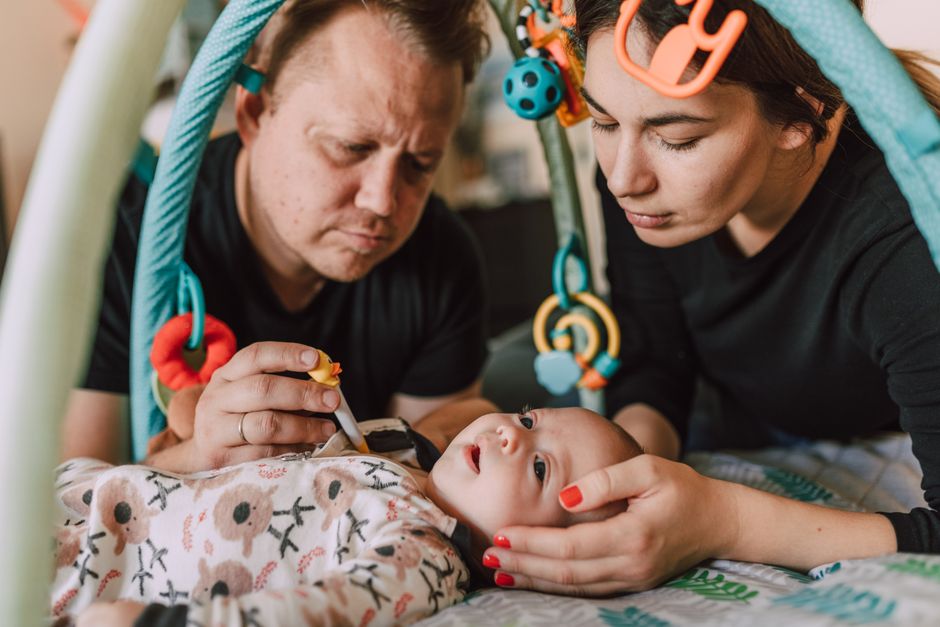
Cleaning your baby’s ears is simpler than most parents expect. The short answer is: you only clean the outer ear, never the ear canal. Use a soft washcloth or cotton ball with warm water to wipe the outside of the ear and behind it. Do not insert anything into your baby’s ear canal, including cotton swabs. That is the entire foundation of safe infant ear care.
Why You Should Never Use Cotton Swabs in a Baby’s Ear
Cotton swabs are the most common tool parents reach for, and they are the one tool you should avoid. The ear canal is narrow and delicate in infants. Inserting a swab pushes earwax deeper instead of removing it.
This is not just a theory. Pediatricians consistently warn against using cotton swabs in any ear, especially a baby’s. The risks include puncturing the eardrum, scratching the ear canal, and causing bleeding or infection. Even if your baby holds still, a sudden movement can cause injury.
The ear has a self-cleaning mechanism. Earwax moves naturally from the inner ear canal toward the outside, carrying dead skin cells and debris with it. When you wipe the outer ear with a washcloth, you are simply collecting what the ear has already pushed out.
What You Need to Clean Your Baby’s Ears
You do not need special tools or products. A basic setup is all that is required:
- A soft, clean washcloth
- Warm water (test it on your wrist first)
- Optional: cotton balls or a soft towel
That is the complete list. No ear drops, no oils, no specialized ear-cleaning kits. Pediatric guidelines do not recommend any over-the-counter ear cleaning products for routine infant ear care.
Warm water is important. Hot water can burn your baby’s sensitive skin. Test the temperature on your inner wrist the same way you would test a bottle. It should feel comfortably warm, not hot.
Step by Step: How Do You Clean Infant Ears Safely
Follow these steps during bath time or as a standalone routine. Both work equally well.
Step 1: Prepare your supplies. Fill a small bowl with warm water. Have your washcloth or cotton balls ready before you bring your baby to the changing area.
Step 2: Position your baby. Lay your baby on a flat, stable surface like a changing table or your lap. Support their head gently. Never leave your baby unattended during this process.
Step 3: Wet and wring the washcloth. Dip the corner of the washcloth in warm water and wring it out thoroughly. It should be damp, not dripping. Excess water running into the ear canal is not dangerous, but it is unnecessary.
Step 4: Wipe the outer ear. Gently wipe the visible part of the ear, including the folds and creases. Use a fresh section of the cloth for each ear to avoid spreading any buildup.
Step 5: Wipe behind the ears. The skin behind the ears traps milk, sweat, and dirt. Wipe this area gently with the damp cloth.
Step 6: Dry the area. Use a dry, soft towel to pat the ears dry. Moisture trapped in the skin folds can lead to irritation or a mild fungal rash.
Step 7: Stop at the ear opening. Wipe the outside of the ear opening if you see visible wax or debris. Do not go beyond the opening. Do not push into the canal.




What to Do About Visible Earwax in Your Baby’s Ear
Seeing earwax in your baby’s ear is normal and usually not a problem. Earwax, also called cerumen, protects the ear canal from dust, bacteria, and small insects. It is not a sign of poor hygiene.
The wax you can see at the opening of the ear is old wax that has migrated outward. You can wipe it away with a washcloth during your normal cleaning routine. If the wax is dry and crusty, leave it alone. It will often loosen and come out on its own during bath time.
Some parents worry that visible wax means the ear is blocked. In most cases, this is not true. The visible wax is just a small amount at the outer opening. The deeper canal may be completely clear.
Do not try to scoop, scrape, or pick wax out of your baby’s ear. This includes using your fingernail, a bobby pin, or any other object. All of these methods carry the same risk of injury as a cotton swab.
When Earwax Becomes a Problem: Signs to Watch For
Sometimes earwax builds up enough to block the ear canal. This is called cerumen impaction. It is less common in infants than in older children and adults, but it can happen.
Signs that earwax may be causing a problem include:
- Your baby pulls or rubs at their ear frequently
- You cannot see the eardrum during a doctor’s exam
- Your baby seems to have trouble hearing
- There is a foul odor coming from the ear
- Your baby seems irritable or uncomfortable
If you notice any of these signs, contact your pediatrician. Do not try to remove the wax yourself. A doctor has specialized tools and training to remove earwax safely. They may also determine that the wax is not the problem at all, since ear pulling can also be a sign of teething or an ear infection.
Ear pain from an infection is different from earwax buildup. An ear infection often comes with fever, trouble sleeping, and fluid draining from the ear. Earwax buildup does not cause fever. If your baby has a fever along with ear symptoms, call your doctor promptly.
How Often Should You Clean Your Baby’s Ears?
There is no fixed schedule for cleaning infant ears. Once or twice a week is usually sufficient for most babies. Some babies need more frequent cleaning if they produce more earwax or have skin folds that trap dirt.
Daily cleaning is not necessary and can actually cause problems. Over-cleaning strips the ear of its protective wax layer. This can leave the skin in the ear canal dry, itchy, and more prone to irritation.
The best approach is to check your baby’s ears during bath time. If you see visible dirt or wax on the outer ear, clean it. If the ears look clean, leave them alone. This simple routine is all that pediatric guidelines support.
Bath time is the most practical moment because your baby is already undressed and you have access to warm water. The steam and moisture from the bath can also soften any crusty wax, making it easier to wipe away.
Can You Use Ear Drops or Oils on a Baby’s Ears?
No over-the-counter ear drops are approved specifically for routine cleaning of infant ears. Some products are marketed for earwax removal, but they are not recommended for babies without a doctor’s direction.
Do not put olive oil, mineral oil, or any homemade solution into your baby’s ear. These substances can trap bacteria, cause irritation, or interfere with the natural self-cleaning process. If a doctor prescribes ear drops for a specific condition like an infection, follow their instructions exactly.
There is one exception to the “nothing in the ear” rule. If your pediatrician recommends a specific product to soften impacted earwax, use only that product and only as directed. Never substitute a home remedy for a medical recommendation.
Frequently Asked Questions
Is it safe to clean the inside of my baby’s ear?
No. You should only clean the outer ear and the area behind it. The inside of the ear canal cleans itself naturally.
What happens if I accidentally poked my baby’s ear with a cotton swab?
Contact your pediatrician right away, especially if there is bleeding, discharge, or your baby seems in pain. Do not put anything else in the ear while you wait.
Can I use baby oil to clean my baby’s ears?
No. Baby oil is not recommended for routine ear cleaning and has no proven benefit for this purpose. Warm water on a washcloth is all you need.
How do I know if my baby has an ear infection instead of earwax?
Ear infections usually come with fever, irritability, and trouble sleeping. Earwax buildup alone does not cause fever. If you are unsure, have your pediatrician examine your baby’s ears.
