
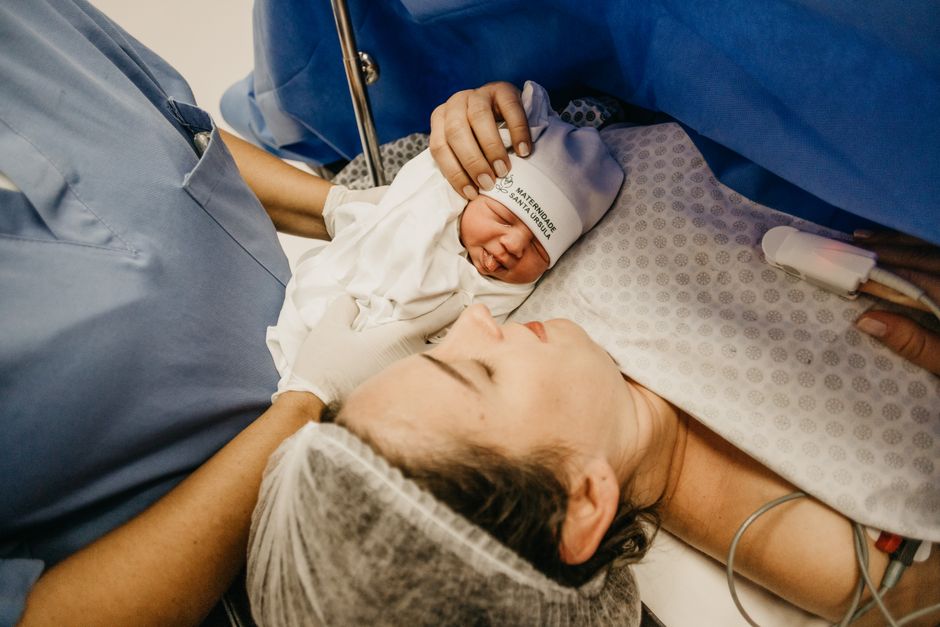
Women with female genital mutilation (FGM) give birth vaginally in most cases, but they face higher risks of prolonged labor, severe tearing, and the need for cesarean section. Proper care before and during labor, including a careful examination and often a small surgical cut called defibulation, can significantly reduce these risks. The key is that FGM itself does not make vaginal birth impossible, but it does change how the birth must be managed by healthcare providers.
What Happens During Labor With FGM?
FGM involves cutting or altering the female genital tissue. The most severe forms narrow or completely cover the vaginal opening with a seal of scar tissue. This scar tissue is less elastic than normal skin and muscle.
During labor, the baby must pass through the birth canal. When the vaginal opening is narrowed by scar tissue, the baby’s head cannot descend properly. This is called obstruction. The uterus continues to contract, but the baby cannot move down. This leads to a prolonged first stage of labor.
If the scar tissue does not stretch, it can tear suddenly under the pressure of the baby’s head. This tear can be severe and involve the rectum or the urethra. These injuries are called third-degree or fourth-degree perineal tears. They are serious and require surgical repair.
What Is Defibulation and Why Is It Done?
Defibulation is a minor surgical procedure. A doctor or midwife makes a small cut in the scar tissue to open the vaginal opening. This is done to allow the baby to pass through safely.
Defibulation can be performed before pregnancy, during pregnancy, or during labor itself. When done during labor, it is often called anterior episiotomy. It is a simple cut with local anesthesia. It opens the scarred area without cutting healthy tissue.
Research consistently shows that women who have defibulation during labor have better outcomes than those who do not. They are less likely to have severe tears, less likely to need a cesarean section, and have shorter labors. The procedure is safe and widely recommended by obstetric guidelines when FGM causes obstruction.
How Do Women With Fgm Give Birth Risks And Care: The Main Risks
The primary risks during childbirth for women with FGM are well documented. Understanding them helps both the woman and her care team plan appropriately.
- Severe perineal tearing: The scar tissue can tear into the anal sphincter or rectum. This is the most common serious complication.
- Prolonged labor: The narrowed opening slows the descent of the baby, leading to longer labor and increased distress for both mother and baby.
- Increased cesarean rate: Obstruction that cannot be resolved with defibulation may require a cesarean section.
- Postpartum hemorrhage: Bleeding after birth can be heavier, especially if there is extensive tearing or if the scar tissue is cut without proper technique.
- Neonatal complications: Prolonged labor can cause fetal distress, low Apgar scores, or the need for resuscitation.
These risks are not equal across all types of FGM. Women with Type I or Type II FGM, where the clitoris or labia are partially removed, may have minimal additional risk. Women with Type III FGM, also called infibulation, where the vaginal opening is sealed, face the highest risks.





What Care Should a Woman With FGM Receive?
Care starts before labor. Every woman with FGM should have an assessment early in pregnancy. This assessment identifies the type of FGM and whether defibulation will be needed.
During labor, the care team should monitor the baby’s heart rate closely. They must also watch for signs of obstruction. If the scar tissue prevents the baby from descending, defibulation should be offered.
After birth, the care team should examine the perineum carefully. Any tears must be repaired by an experienced clinician. Women with FGM also need follow-up care. Many report pain during intercourse, difficulty with urination, or psychological distress related to their FGM. These issues deserve attention and referral to specialists when needed.
It is important to note that some women with FGM have had no problems with previous births. Each birth is different. The care team should not assume the worst, but they must be prepared for complications.
Does FGM Affect the Baby?
The baby is not directly harmed by the FGM itself. The risk to the baby comes from the complications of labor. Prolonged labor reduces oxygen supply to the baby. This can lead to fetal distress.
Fetal distress means the baby’s heart rate shows signs of not tolerating labor well. In these cases, the baby may need to be delivered quickly, often by cesarean section. With proper monitoring and timely intervention, most babies are born healthy.
There is no evidence that FGM directly causes birth defects or long-term health problems in the baby. The risks are indirect, related to the mechanics of labor.
Can Women With FGM Have a Vaginal Birth?
Yes. Most women with FGM can have a vaginal birth. The rate of vaginal birth among women with FGM is high. The key is proper management.
Studies from various countries, including those in Africa, Europe, and North America, consistently show that vaginal birth is achievable. The cesarean rate is higher than in women without FGM, but it is not the default outcome.
The decision about mode of birth should be made by the woman and her care team. It should be based on the type of FGM, the size of the scar, the baby’s position, and the progress of labor. There is no rule that says all women with FGM must have a cesarean section.
What Is the Role of the Midwife or Doctor?
The clinician’s knowledge matters more than any other factor. A clinician who has never seen FGM may panic or perform unnecessary interventions. A clinician trained in FGM care will know exactly what to do.
Trained clinicians will:
- Ask about FGM in a sensitive, non-judgmental way
- Examine the vulva to determine the type of FGM
- Explain defibulation clearly and get informed consent
- Perform defibulation correctly when needed
- Repair any tears with proper technique
- Offer psychological support and follow-up care
Women with FGM should feel empowered to ask their care provider about their experience with FGM. They can ask directly: “Have you managed births in women with FGM before?” This is a reasonable and important question.
Are There Long-Term Effects of FGM on Birth?
Yes. The effects of FGM are not limited to the birth itself. Women with FGM may have ongoing issues that affect their reproductive health.
Chronic pain, recurrent urinary tract infections, and painful intercourse are common. Some women develop cysts or abscesses at the site of the scar. These conditions can affect a woman’s quality of life and her experience of pregnancy and birth.
Psychological effects are also significant. Many women with FGM experience anxiety, depression, or post-traumatic stress disorder, especially around gynecological exams and childbirth. Care providers should be aware of this and offer trauma-informed care. This means explaining every step, asking before touching, and providing emotional support throughout.
What Should a Woman With FGM Ask Her Doctor?
Planning ahead makes a difference. A woman with FGM should have a clear conversation with her care provider early in pregnancy. She should ask about the type of FGM she has and what it means for her birth.
Important questions include:
- Will you check my scar tissue during pregnancy?
- Do you recommend defibulation? If so, when?
- What is your experience with FGM births?
- What will you do if my labor is slow?
- Will you be available during my labor, or will another provider be on call?
These questions help the woman understand her options and build trust with her care team. A provider who answers clearly and respectfully is likely to provide good care.
Frequently Asked Questions
Can a woman with FGM give birth naturally?
Yes, most women with FGM can give birth vaginally. The outcome depends on the type of FGM and whether the care team performs defibulation when needed.
Is defibulation painful?
Defibulation is performed with local anesthesia, so it is not painful during the procedure. Afterward, the area may be sore for a few days, and pain relief is usually provided.
Does FGM increase the risk of stillbirth?
Some research suggests a slightly higher risk of stillbirth, but this is linked to prolonged labor and lack of proper care. With skilled attendance and monitoring, the risk is significantly reduced.
Can FGM be reversed before pregnancy?
Defibulation can be done before pregnancy to open the vaginal opening. This is a safe procedure that may reduce the need for intervention during labor.
