
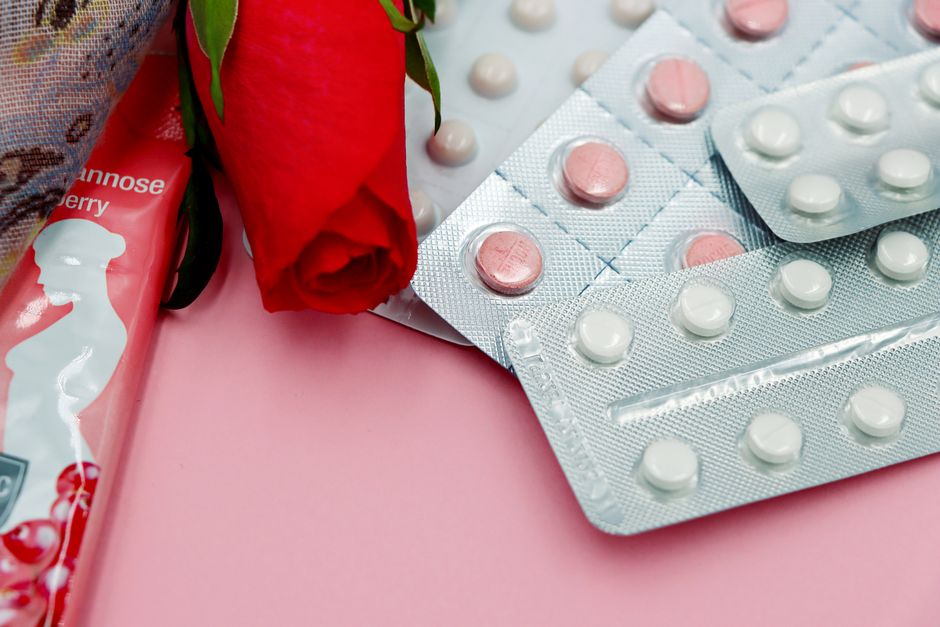
Hormone replacement therapy (HRT) is a medical treatment that supplies hormones the body is no longer producing at previous levels. It is used most often to relieve menopause symptoms such as hot flashes, night sweats, and vaginal dryness, and it is also used in people whose bodies do not make enough of certain hormones on their own. HRT can ease symptoms effectively, but it carries real risks that vary widely depending on the type of hormone, the dose, the route of delivery, and the person taking it.
What Is Hormone Replacement Therapy Uses And Risks?
Hormone replacement therapy replaces hormones that the body has stopped making or makes in insufficient amounts. In women going through menopause, the hormones involved are estrogen and progesterone. In men, the hormone is testosterone. In people with certain endocrine or pituitary conditions, other hormones may be replaced as well.
The core idea is simple: when the body’s own production drops, supplying the missing hormone can reduce symptoms caused by that drop. What is not simple is the risk profile. The same therapy that relieves hot flashes can increase the chance of blood clots, stroke, and certain cancers in some people. Those risks are not the same for everyone.
This is why HRT is not a one-size-fits-all decision. It is a medical treatment with benefits and harms that need to be weighed for each person, ideally with a clinician who knows their history.
What Conditions Does Hormone Replacement Therapy Treat?
HRT is used for several distinct situations, and the evidence for each is not equally strong.
Menopause symptoms
This is the most common use. Estrogen therapy, with or without progesterone, is the most effective treatment for moderate to severe hot flashes and night sweats. Research consistently shows it outperforms placebo for these symptoms. It also treats vaginal dryness, burning, and discomfort during sex, though for vaginal symptoms alone, low-dose vaginal estrogen is often preferred because it acts mostly locally and has less systemic absorption.
Early menopause and premature ovarian insufficiency
When menopause happens before age 40, either naturally or because of surgery or medical treatment, HRT is generally recommended until around the average age of natural menopause. This is not mainly about symptom relief. It is about protecting bone and heart health during the years the body would normally still have circulating estrogen.
Low testosterone in men
Testosterone replacement is used in men with confirmed low testosterone and symptoms such as low libido, fatigue, or loss of muscle mass. The evidence for benefit is strongest for sexual function. Evidence for mood, energy, and general vitality is more mixed.
Other hormone deficiencies
People with thyroid, adrenal, or pituitary conditions may need replacement of hormones such as thyroid hormone, cortisol, or growth hormone. These are separate from the estrogen and testosterone therapies usually meant when people say “HRT,” but they are hormone replacement in the literal sense.
How Is Hormone Replacement Therapy Delivered?
The route matters, because it changes how the hormone moves through the body and, in some cases, changes the risk profile.
- Oral pills — swallowed and processed through the liver, which can affect clotting factors and other liver-produced proteins.
- Transdermal patches, gels, and sprays — absorbed through the skin directly into the bloodstream, bypassing the first pass through the liver.
- Vaginal creams, tablets, and rings — deliver estrogen mostly locally to vaginal tissue.
- Injections and pellets — used more often for testosterone therapy.
For estrogen therapy in women, transdermal delivery is often chosen when there is concern about blood clot risk, because it does not appear to raise clot risk the way oral estrogen does. That said, transdermal estrogen still carries other risks, and the choice depends on the individual.





What Are the Main Risks of Hormone Replacement Therapy?
Risks depend heavily on the type of HRT and the person taking it. The most studied risks come from estrogen therapy in women, largely from large randomized trials conducted in the 1990s and early 2000s.
Blood clots and stroke
Oral estrogen increases the risk of venous thromboembolism, a blood clot in the legs or lungs. It also increases the risk of stroke, particularly in older women. Transdermal estrogen does not appear to carry the same clot risk, though it may still affect stroke risk.
Breast cancer
Combined estrogen plus progestin therapy is associated with an increased risk of breast cancer, and the risk rises with longer duration of use. Estrogen alone in women who have had a hysterectomy has a different and generally smaller risk profile for breast cancer, though it still matters. These risks are not the same for every woman, and they are generally small in absolute terms for short-term use.
Endometrial cancer
Estrogen alone, taken by a woman who still has a uterus, increases the risk of cancer of the uterine lining. This is why progesterone or a synthetic progestin is added for women with a uterus. Progesterone protects the endometrium. Without it, estrogen should not be used systemically in this group.
Cardiovascular effects
The picture here is more nuanced than early headlines suggested. Starting HRT many years after menopause appears to carry more cardiovascular risk than starting it close to menopause. For women under 60 or within about 10 years of menopause, the cardiovascular risk profile appears more favorable, though this remains an area of ongoing research.
Testosterone therapy risks
Testosterone therapy can raise red blood cell counts, which in some men increases clot risk. It can also worsen sleep apnea and may affect prostate health, though the evidence on prostate cancer risk is not clear. Testosterone therapy reduces sperm production and can cause infertility.
Who Should Not Take Hormone Replacement Therapy?
HRT is generally not recommended for people with a history of certain conditions. These include breast cancer, endometrial cancer, blood clots, stroke, liver disease, or unexplained vaginal bleeding. A history of these conditions does not always make HRT impossible, but it makes the risk-benefit calculation very different and requires specialist input.
Smoking, high blood pressure, obesity, and a personal or strong family history of clotting disorders can also shift the balance. These are not automatic disqualifiers, but they change the conversation.
Is Hormone Replacement Therapy Safe Long-Term?
The evidence does not support using HRT long-term for disease prevention in most people. Earlier hopes that HRT would protect against heart disease and dementia were not confirmed by randomized trials. In fact, some trials suggested harm in older women.
For symptom relief, the general approach is to use the lowest effective dose for the shortest time that manages symptoms, and to reassess regularly. Some women need treatment for years, and some can stop after a short course. There is no single correct duration.
For women with premature ovarian insufficiency, the calculus is different. HRT is generally recommended until around the typical age of menopause because the benefits for bone and cardiovascular health are considered to outweigh the risks in this younger group.
What Are the Alternatives to Hormone Replacement Therapy?
Not everyone wants HRT or can safely take it. Several options exist, though most are less effective for moderate to severe hot flashes.
- Low-dose vaginal estrogen for vaginal symptoms only, which has minimal systemic absorption.
- Non-hormonal prescription medications, including certain antidepressants and gabapentin, which can reduce hot flashes in some women.
- Lifestyle measures such as cooling the environment, layered clothing, and avoiding known triggers. These help some people but are not a substitute for treatment in severe cases.
- Cognitive behavioral therapy and clinical hypnosis, which some studies suggest can reduce how bothersome hot flashes feel, even if they do not change their frequency.
- For men with low testosterone, addressing sleep, weight, and underlying conditions can sometimes improve symptoms, though this does not replace hormone therapy when levels are genuinely low.
Many supplements marketed for menopause symptoms have weak or absent evidence. Black cohosh, red clover, and soy isoflavones have been studied, but results are mixed and effects are generally small. No supplement has been shown to match estrogen therapy for hot flashes.
How Do You Decide Whether HRT Is Right for You?
There is no universal answer. The decision depends on what symptoms you have, how much they affect your daily life, your personal and family health history, and your own priorities.
A useful conversation with a clinician covers:
- Which symptoms are most bothersome and how long they have been present
- Your personal and family history of cancer, clots, stroke, and heart disease
- Whether you still have a uterus, which determines whether progesterone is needed
- Which delivery method might lower specific risks for you
- How long you might reasonably expect to use treatment
- What alternatives you are willing to try first or alongside HRT
HRT is not a fountain of youth and it is not a poison. It is a treatment with real benefits and real risks, and the balance shifts depending on who is taking it and why.
Frequently Asked Questions
Is hormone replacement therapy safe?
For most healthy women under 60 who are within about 10 years of menopause, short-term HRT for symptom relief is considered reasonably safe. Risks rise with age, duration of use, and certain health conditions, so it is not safe for everyone.
Does HRT cause weight gain?
Research has not consistently shown that HRT itself causes weight gain. Weight gain during menopause is common, but it appears to be driven mainly by aging and changes in body composition rather than by hormone therapy.
Can you stop HRT suddenly?
You can stop HRT abruptly, but symptoms often return. Many clinicians recommend tapering the dose gradually to reduce the chance of symptom rebound, though there is no single standard approach.
Is HRT the same as birth control pills?
No. Birth control pills contain much higher doses of hormones and are designed to prevent pregnancy. HRT uses lower doses and is intended to replace hormones the body is no longer making.
