
A tooth abscess is a pocket of pus caused by a bacterial infection. It is a serious condition that will not go away on its own. The most direct answer to preventing one is to stop the decay that starts it. That means brushing twice a day with fluoride toothpaste, cleaning between your teeth daily, and seeing a dentist regularly. These habits remove the plaque that feeds the bacteria responsible for cavities and gum disease, which are the two main routes to an abscess.
What Exactly Causes an Abscess Tooth?
An abscess forms when bacteria get past the outer layers of a tooth or the gums. The body’s immune system fights the bacteria, and that battle creates pus. That pus needs somewhere to go. When it is trapped inside the tooth or under the gum, pressure builds, and pain follows.
There are two main types. A periapical abscess starts at the tip of the tooth root. It happens when a cavity gets deep enough to reach the pulp, the soft tissue inside the tooth that contains nerves and blood vessels. Once bacteria reach the pulp, they can travel down the root canal and out the tip, causing infection in the bone.
A periodontal abscess starts in the gums. It happens when bacteria get trapped in a deep pocket between the tooth and gum, usually from advanced gum disease. This type does not require a cavity. The infection destroys the ligament holding the tooth in place.
Both types cause damage if left untreated. The infection can spread to the jaw, face, or bloodstream. That is why prevention matters more than treatment.
How To Prevent Abscess Tooth: The Daily Habits That Matter
The single most effective way to prevent an abscess is to prevent tooth decay. Cavities are the entry point for most abscesses. If you never get a cavity that reaches the pulp, you drastically reduce your risk.
Brush twice a day with fluoride toothpaste. Fluoride strengthens enamel and helps repair early decay before it becomes a cavity. Brush for two minutes each time, covering every surface of every tooth.
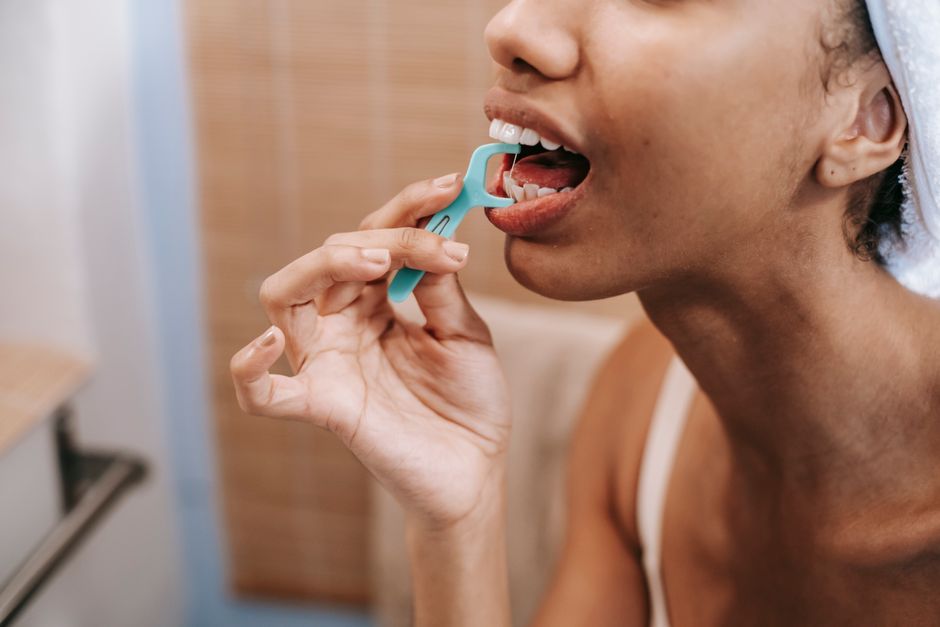
Floss or use interdental brushes daily. Brushing cleans about 60 percent of the tooth surface. The spaces between teeth are where cavities and gum disease often start. Cleaning these areas removes plaque before it hardens into tartar. Once plaque hardens into tartar, brushing cannot remove it. Only a dental professional can.
Use an antiseptic mouthwash if your dentist recommends one. Some mouthwashes reduce bacteria levels in the mouth. They are a helpful addition, not a replacement for brushing and flossing.
These habits work because they physically remove the bacterial film called plaque. Plaque forms constantly. If it stays on teeth for long enough, the bacteria in it produce acids that dissolve enamel. That is how a cavity begins.
Why Regular Dental Visits Are Non-Negotiable
You cannot prevent what you cannot see. Many early cavities have no symptoms. You cannot feel them, and you cannot see them in a mirror. By the time a tooth hurts, the decay is often deep.
Dentists use X-rays to find decay between teeth and under existing fillings. They can spot a cavity years before it reaches the pulp. At that stage, a simple filling stops the process. Wait until it hurts, and you may need a root canal or extraction.
Professional cleanings remove tartar that you cannot remove at home. This matters for gum health. Periodontal abscesses come from gum disease, and gum disease is largely preventable with regular cleanings and good home care.
Most dentists recommend a checkup and cleaning every six months. Some people need more frequent visits. If you have a history of cavities or gum disease, your dentist may suggest every three or four months. Follow that advice.




The Role of Diet in Preventing Tooth Abscesses
What you eat directly affects your cavity risk. Sugar feeds the bacteria that cause decay. Every time you eat sugar, the bacteria in your mouth produce acid for about 20 minutes. Frequent snacking on sugary foods keeps that acid attack going all day.
This is why frequency matters more than total amount. A single piece of candy eaten with a meal is less harmful than the same candy nibbled throughout the afternoon. Each exposure starts a new acid attack.
Sticky foods are especially problematic. Dried fruit, gummy candy, and chewy snacks cling to teeth and keep sugar in contact with enamel longer. If you eat these, rinse your mouth with water afterward or brush if you can.
Acidic drinks are a separate issue. Sodas, sports drinks, and fruit juices lower the pH in your mouth. Acid dissolves enamel directly. This is not a cavity yet, but it weakens the enamel, making it easier for bacteria to penetrate.
Water is the best drink for your teeth. It rinses away food particles and dilutes acids. If you drink fluoridated tap water, you get a constant low-level fluoride exposure that strengthens enamel throughout the day.
What To Do If You Have a Cracked or Damaged Tooth
Decay is not the only way bacteria reach the pulp. A cracked tooth can create a direct pathway. Even a tiny crack can let bacteria in.
Trauma matters too. A fall, a sports injury, or even grinding your teeth can damage a tooth in ways you cannot see. The pulp can die months or years after the injury, and an abscess can form later.
If you chip, crack, or knock a tooth, see a dentist promptly. Do not wait to see if it hurts. The damage may be invisible to you but visible on an X-ray.
If you grind your teeth at night, ask your dentist about a mouthguard. Grinding wears down enamel and can cause cracks. Both of these create openings for bacteria.
Sports participation warrants a custom mouthguard for any contact sport. A single impact can crack a tooth in a way that leads to an abscess years later.
When Pain Means You Need Help Immediately
An abscess does not always hurt at first. Some people have no symptoms until the infection is advanced. But certain signs should send you to a dentist right away.
Severe, throbbing tooth pain that keeps you awake is a classic sign. Pain when chewing or biting down is another. Swelling in your face or jaw means the infection may be spreading beyond the tooth. A pimple-like bump on your gums near a tooth is a fistula, a drainage channel the body created to release pus. Fever means the infection is systemic.
If you have swelling in your face, fever, or trouble swallowing or breathing, go to an emergency room. This is a medical emergency. The infection can spread to your bloodstream and become life-threatening.
For localized pain without swelling, see a dentist as soon as possible. Do not try to pop any bump in your mouth. Do not place aspirin on the gum, which can burn tissue. Over-the-counter pain relievers can help with discomfort, but they do not treat the infection. Antibiotics are often needed, and the tooth itself requires professional treatment such as a root canal or extraction.
Can You Reverse an Abscess Without a Dentist?
No. No home remedy, herbal treatment, or dietary change can cure an abscess. This is an established fact, not a matter of opinion.
Some online sources suggest oil pulling, garlic, or clove oil as cures. These may provide temporary comfort or mild antibacterial effects on the surface, but they cannot reach an infection inside the tooth root or under the gum. The pus is trapped in tissue. Surface treatments cannot penetrate it.
Saltwater rinses can soothe irritated gums and keep the area clean, but they do not treat the underlying infection. Over-the-counter numbing gels can mask pain briefly. None of these stop the infection from spreading.
A tooth abscess requires dental intervention. The dentist will either drain the pus, perform a root canal to remove the infected pulp, or extract the tooth. Antibiotics may be prescribed, but antibiotics alone do not resolve an abscess. The source of the infection must be physically removed.
Frequently Asked Questions
Can brushing and flossing really prevent a tooth abscess?
Yes, consistent brushing and flossing remove the plaque that causes cavities and gum disease, which are the main causes of abscesses. They do not guarantee prevention, but they reduce your risk dramatically.
How often should I see the dentist to prevent an abscess?
Most people should see a dentist every six months for a checkup and cleaning. People with a history of cavities or gum disease may need visits every three to four months.
Can a tooth abscess go away on its own?
No, a tooth abscess will not resolve without dental treatment. The infection will continue to spread and can cause serious complications.
Does sugar directly cause a tooth abscess?
Sugar does not cause an abscess directly, but it feeds the bacteria that produce the acids causing cavities. Those cavities are the entry point for the infection that leads to an abscess.
